


Yellow Pine Chest
A yellow pine chest is a sturdy domestic storage piece with a distinct timber character, offering both utility and historic country charm.
Yellow Pine Chest
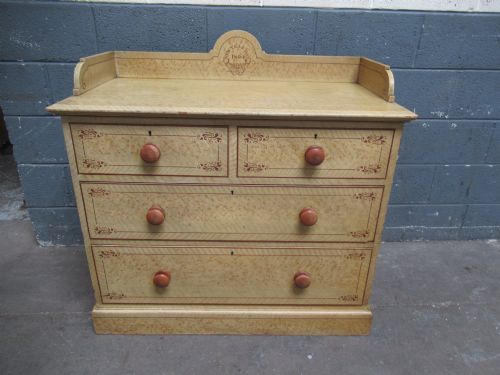
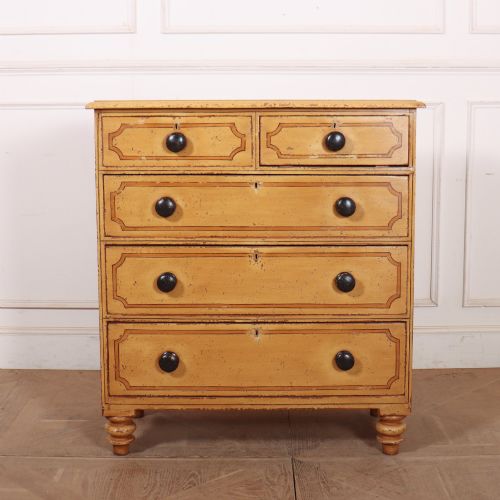
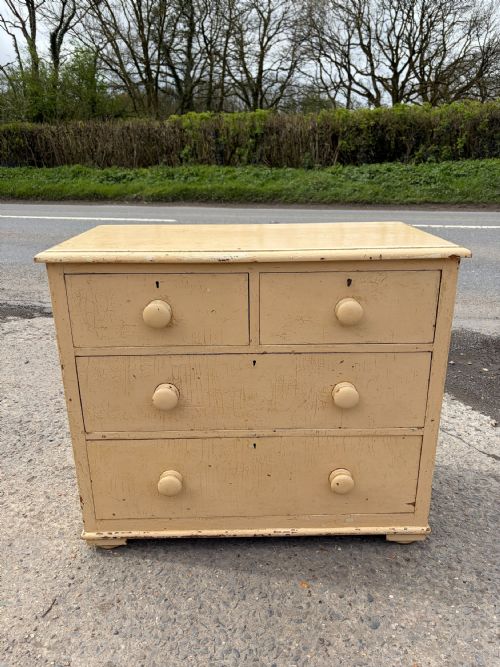
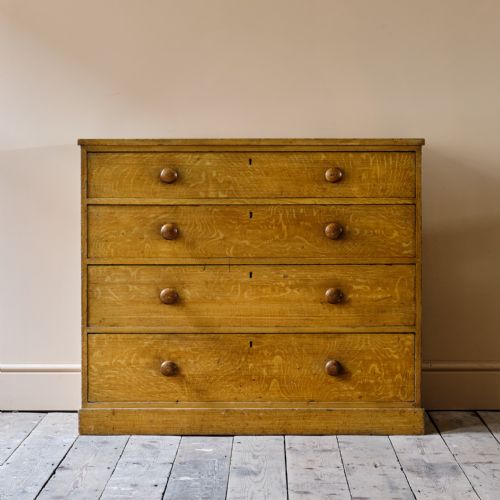
When you search for a yellow pine chest, you encounter practical storage furniture built primarily during the nineteenth century and the Georgian era. These pieces range from simple utilitarian trunks and log bins to multi-drawer chests of drawers and country house scumble painted examples.
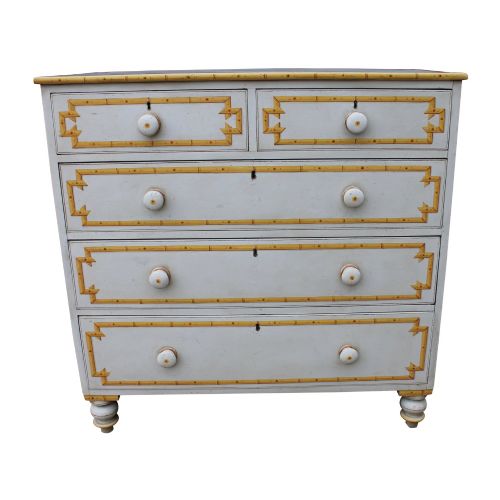
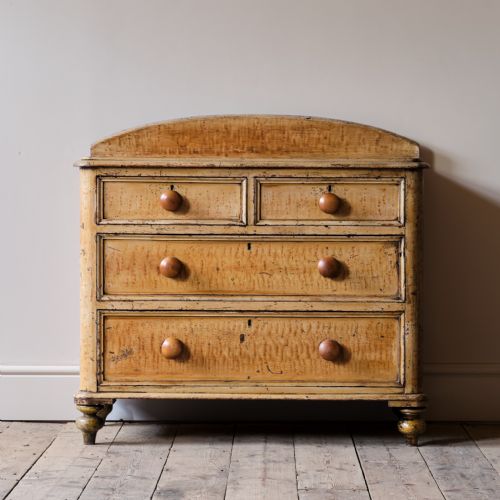
The version you are most likely to meet on this page is a nineteenth century painted pine chest of drawers, often showing original paint finishes such as scumble glazes or folk art decoration. Styles span English country and Scandinavian country traditions, reflecting provincial domestic utility.
Beyond standard drawer configurations, the selections include regional variants like Swedish painted chests, country house Wellington chests, and primitive shepherds coffers. Each object serves a storage function while displaying the distinctive grain and surface treatment of pine timber.
What varies in quality
The distinction between ordinary and superior pieces rests largely in the preservation of original surface treatments and decorative paint. Examples retaining untouched scumble glazes, early folk art decoration, or period painted finishes command greater interest than stripped or repainted surfaces.
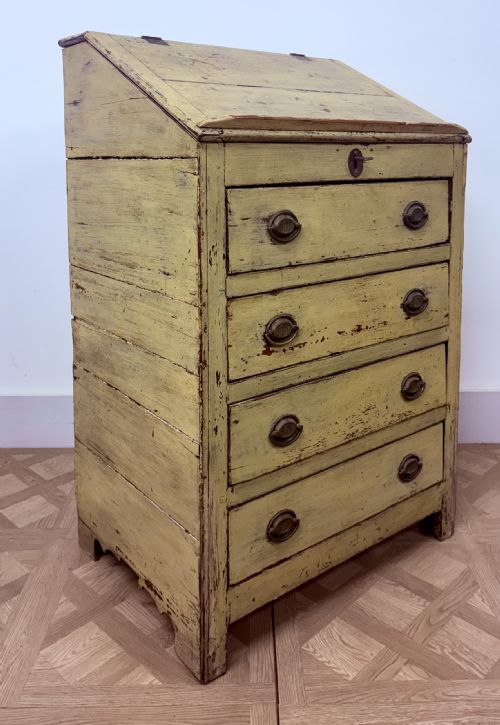
Construction integrity and regional detailing also determine the caliber of a piece, separating basic utility boxes from finer provincial craftsmanship. Well-proportioned drawer construction, integrated writing slopes, and authentic period hardware elevate the standing of an individual chest within its respective stylistic tradition.
Materials documented across the inventory include painted wood, iron hardware, brass fittings, and ceramic elements.
The Yellow Pine Chest Glossary
- Scumble paint
- A translucent oil-based glaze dragged or combed across a prepared ground to simulate the rich grain of costly exotic timbers. This technique was widely utilised on nineteenth century pine furniture to elevate its visual appeal.
- Faux bamboo
- A decorative carving method where wood is shaped to resemble jointed bamboo stalks. It appears on nineteenth century pieces influenced by oriental design trends.
- Cofer
- A traditional heavy storage chest, often of primitive construction, used originally for holding linens, valuables, or dry provisions. These sturdy receptacles represent early domestic utility.
- Log bin
- A deep container designed specifically for holding firewood near a hearth. Provincial examples in painted pine often feature robust sides to withstand heavy timber contents.
- Wellington chest
- A tall, slender stack of drawers secured by a hinged locking side-bar. This format provides secure vertical storage while occupying minimal floor space.
Yellow Pine Chest: Frequently Asked Questions
What is a scumble painted pine chest?
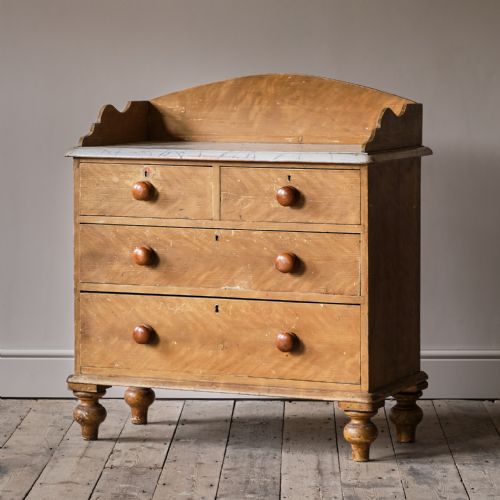
A scumble painted pine chest is a piece of nineteenth century furniture coated in a translucent decorative glaze designed to imitate more expensive hardwoods like oak or mahogany. The painter dragged tools through the wet glaze to create simulated grain patterns.
Over decades, these surfaces develop a distinct patina that distinguishes them from plain painted or stripped pine furniture. They were popular in country houses and provincial homes seeking a decorative finish on affordable softwood.
How do I date an antique pine chest?
Dating an antique pine chest involves examining construction methods, hardware, and surface decoration. Pieces from the Georgian period often feature hand-cut dovetails and specific proportions, while nineteenth century examples frequently display factory-made nails or distinctive painted finishes.
Paint analysis also helps, as original nineteenth century scumble or folk art decoration differs significantly from later decorative applications. Comparing the timber shrinkage and drawer linings provides further clues to the manufacturing decade.
Where were these painted pine chests made?
These chests originate from various domestic and continental workshops, with English country and Scandinavian country pieces forming a significant portion of surviving examples. Swedish pieces often feature specific regional pigments and simpler provincial forms.
English workshops produced everything from utilitarian bedroom chests of drawers to decorative hall trunks. Local tradesmen built them using readily available softwood before applying regional decorative paint styles.
How should I care for original painted pine?
Caring for original painted pine requires protecting the historic surface from excessive moisture, direct sunlight, and abrasive cleaning products. Dusting gently with a dry, soft cloth prevents particulate buildup without disturbing fragile historic finishes.
Avoid using modern chemical polishes or heavy waxes that can soften or lift original nineteenth century paint or scumble glazes. Maintaining stable room humidity prevents the underlying pine timber from expanding and cracking the historic paint layer.