


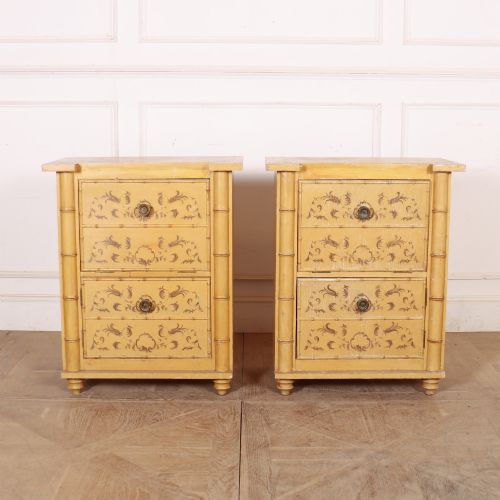


Yellow Painted Table
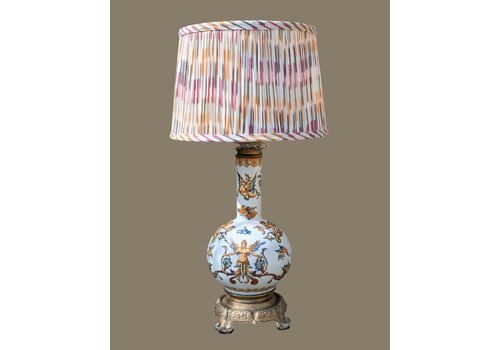
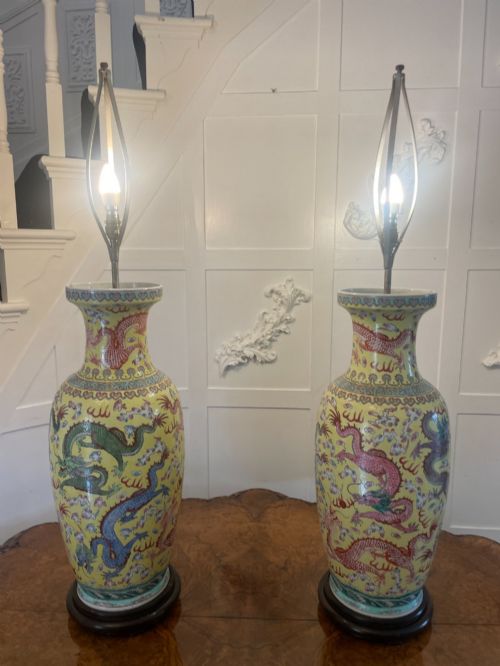
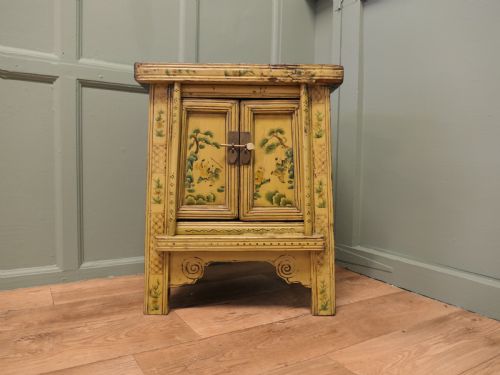
A yellow painted table brings warmth and colour into a room, offering practical surface space alongside a decorative painted finish.
Yellow Painted Table
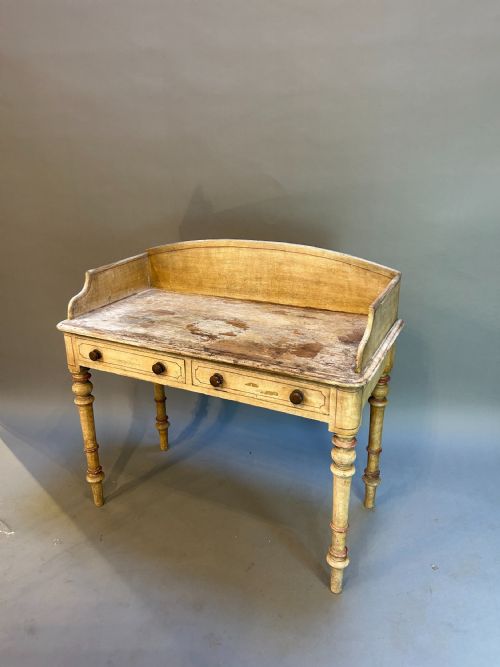
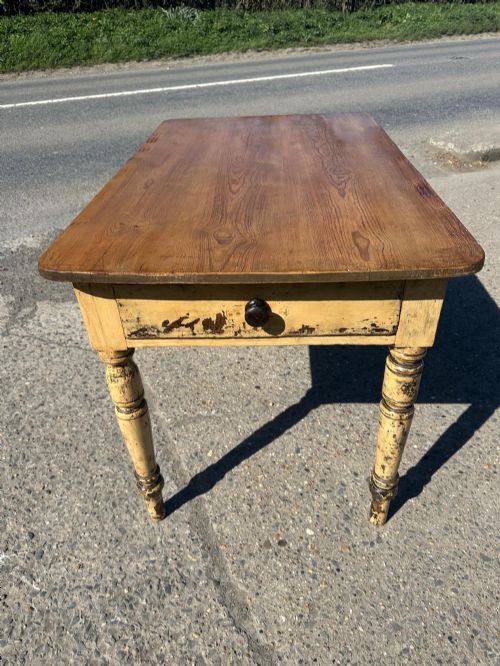
A yellow painted table encompasses various forms designed for domestic use, ranging from side tables and kitchen tables to console tables and writing desks. These pieces originate predominantly from the nineteenth century, including specific periods such as the Regency and Victorian eras, alongside styles like English country, French country, and Chinoiserie.
The most common examples you will encounter on this page are constructed from pine or wood with painted surfaces, sometimes displaying ochre or cream tones, or decorative techniques like faux bamboo and lacquer. They function well in hallways, kitchens, and living spaces, providing both utility and a distinct visual character.
How they were made
Construction relies primarily on wood, with pine being a frequent choice for tables, desks, and dressers, often combined with applied paint finishes, lacquer, or scumble glaze. Craftsmen built these items using traditional joinery methods suited to domestic furniture, preparing the wooden bases before applying layers of paint or decorative schemes.
Surface decoration ranges from original ochre and cream paint to elaborate Chinoiserie lacquer work and faux finishes such as simulated pine. The longevity of these pieces depends upon the stability of the timber frame and the preservation of the original painted or glazed surface layers over time.
Yellow Painted Table Retail Price Guide 2026
Typical asking prices for yellow painted table among the pieces listed under this phrase on Sellingantiques today, from the lower quarter to the upper quarter. They describe what is for sale here now, not the wider market.
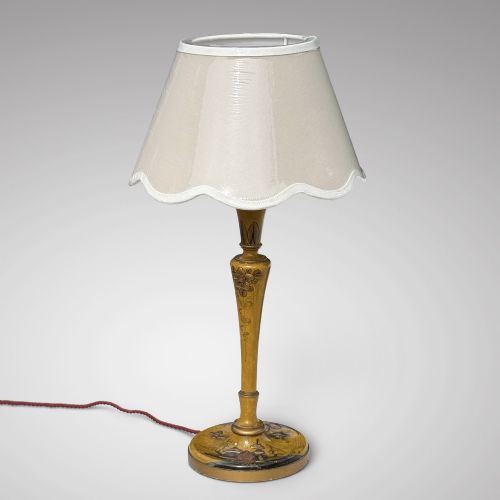
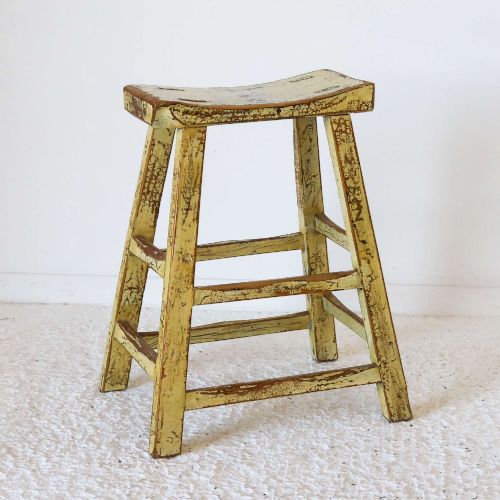
Among the yellow painted items, a sturdy elm stool brings a cheerful splash of original lacquered colour to the room.
What varies in quality
The distinction between tiers of quality rests heavily on the preservation of original finishes, such as early ochre paint or lacquer, versus later repainting. Pieces retaining their genuine nineteenth-century surface patination hold greater interest than those with compromised or modern coatings.
Construction detail and stylistic execution also define the range, from simple country pine tables to sophisticated satinwood pier tables or Chinoiserie decorated pieces. The integrity of the underlying woodwork and the finesse of the decorative motifs separate ordinary examples from superior ones.
The Yellow Painted Table Glossary
- Chinoiserie
- European decorative style inspired by Chinese art and design, frequently featuring lacquered surfaces and painted motifs. It became particularly popular during the eighteenth and nineteenth centuries.
- Ochre
- An earthy pigment ranging from yellow to deep brownish-yellow, often found on period painted furniture. It provides a warm, natural tone to wooden items.
- Scumble glaze
- A translucent layer of paint manipulated over a lighter base colour to create mottled or textured decorative effects. This technique was widely utilised on Victorian furniture to imitate richer timbers.
- Satinwood
- A durable, yellowish wood used for fine furniture making, prized for its lustrous grain and smooth surface. It often appeared in Regency and nineteenth-century pieces.
- Demi-lune
- Half-moon shape used for console tables and side tables designed to sit flush against a wall. This form gained favour in various classical and country styles.
Yellow Painted Table: Frequently Asked Questions
What periods do these tables come from?
The selection includes pieces originating from the nineteenth century, spanning periods such as the Regency and Victorian eras.
Craftsmen produced these items across different regional traditions, encompassing English and French country styles alongside Chinoiserie designs.
How do I care for a painted surface?
Maintain the painted finish by dusting gently with a soft, dry cloth and avoiding harsh chemical cleaners or excessive moisture.
Keep the furniture away from direct sunlight and major temperature fluctuations to protect the underlying wood and paint layers.
Are the paint finishes original?
Many listings specify original painted surfaces, such as early ochre paint, cream decoration, or lacquered finishes applied during the period of manufacture.
Examining the wear patterns and integration of the paint with the timber helps determine whether the finish dates back to the origin of the piece.
Where do these tables fit in a home?
Side tables, console tables, and writing desks serve well in hallways, living rooms, and bedrooms as functional accent furniture.
Kitchen tables and larger side pieces provide practical workspace while introducing historic character and colour to dining areas.