


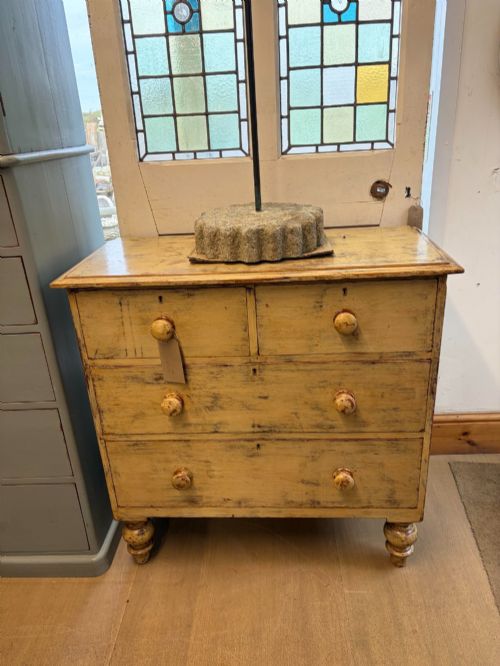
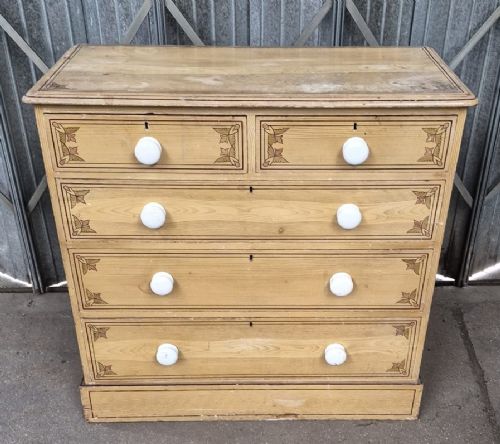
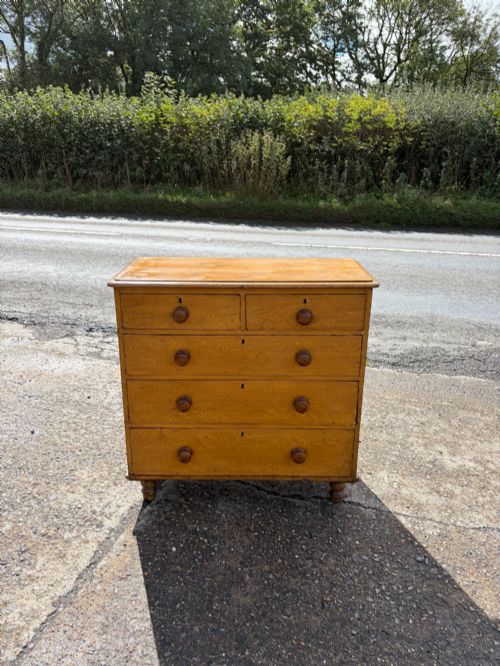
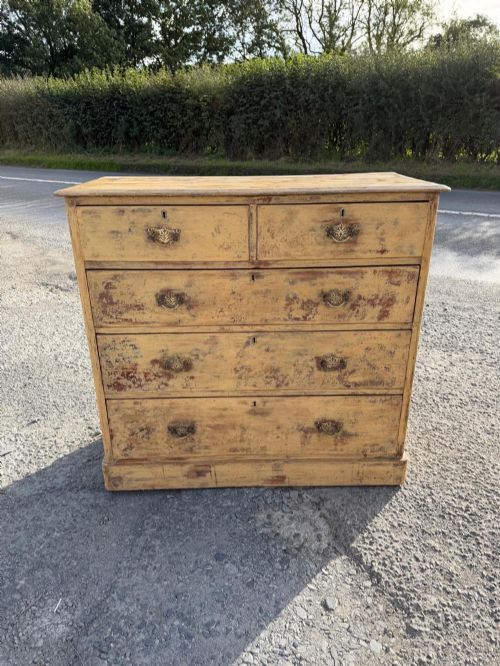


Yellow Painted Dresser
A yellow painted dresser brings bright, usable utility and centuries of provincial character into a modern room.
Yellow Painted Dresser
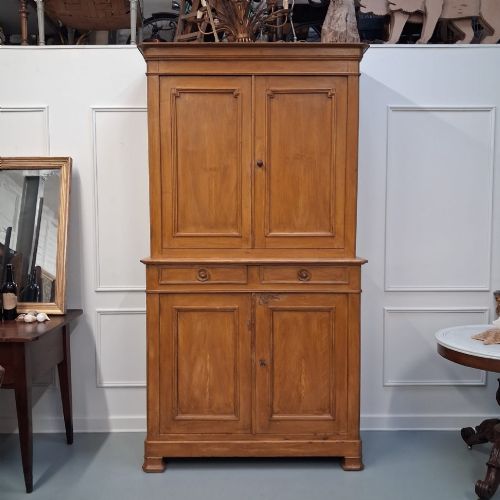
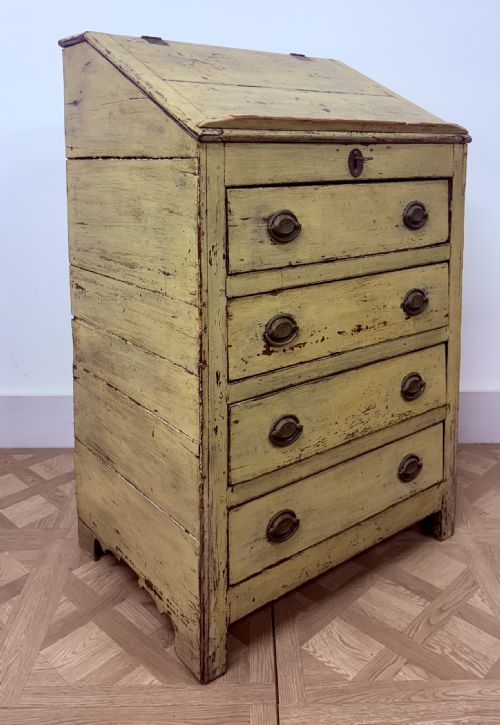
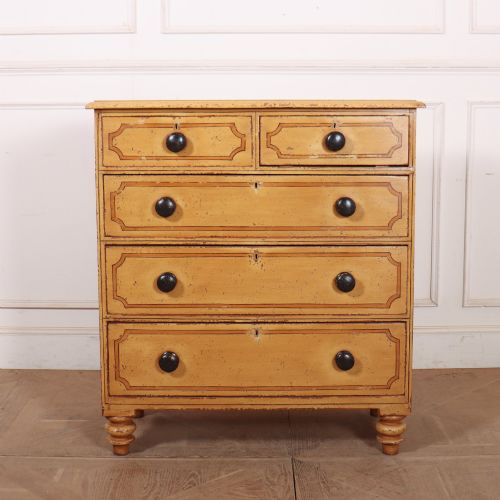
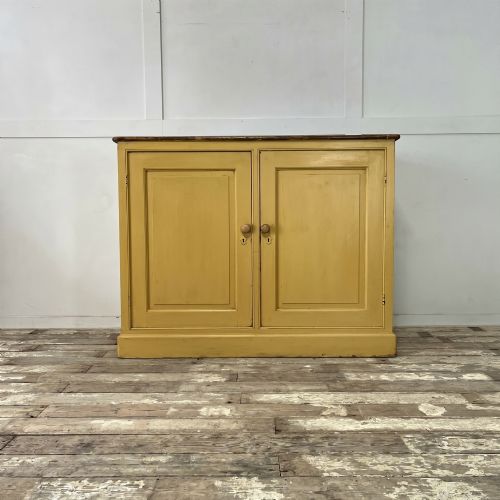
When you search for a yellow painted dresser, you are looking at substantial storage furniture coated in historic or decorative layers of pigment. The examples found here span centuries of craftsmanship, including functional housekeeper cupboards, kitchen dressers, and tall chests of drawers.
The version you are most likely to meet on this page is a pine piece from the nineteenth century, often originating from English, West Country, or Scandinavian workshops. These domestic items bring vernacular charm and bright colour to an interior, moving far beyond the stark brown wood of formal saloons.
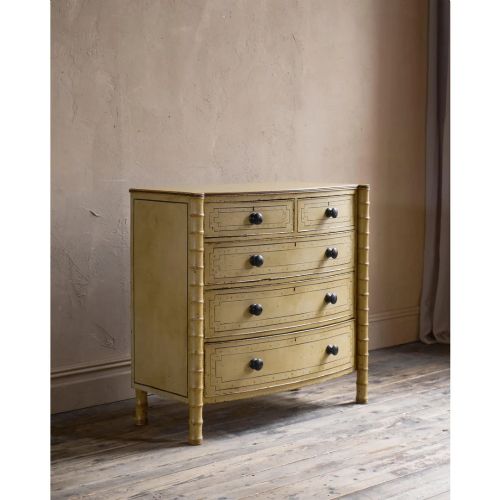
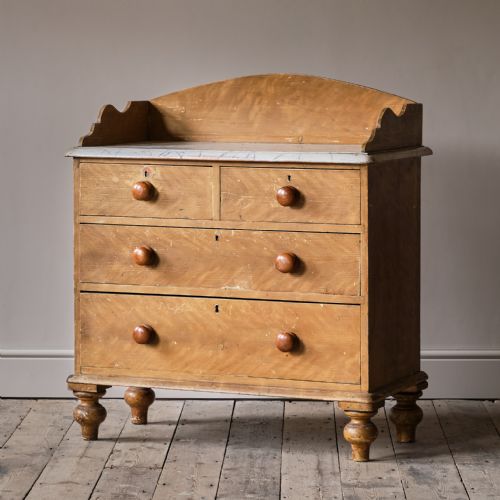
Alongside traditional dressers and cupboards, the selection embraces related forms such as faux bamboo chests, washstands, and serving tables. Each object combines practical storage with the distinct visual texture of aged painted timber.
How they were made
The primary material underpinning these pieces is solid pine or mixed wood, selected for sturdy domestic utility and domestic service. Carpenters constructed frames with traditional joinery before applying coats of lead- or oil-based paint that protected the softwood underneath.
Surface decoration frequently relies on original paint layers, sometimes revealing subtle craquelure or multiple historical coats beneath the visible yellow or cream finish. Details like brass and iron hardware, along with occasional faux bamboo turnings, complete the construction of these utilitarian items.
Yellow Painted Dresser Retail Price Guide 2026
Typical asking prices for yellow painted dresser among the pieces listed under this phrase on Sellingantiques today, from the lower quarter to the upper quarter. They describe what is for sale here now, not the wider market.
Listings span the Georgian, Victorian, and Art Deco eras, constructed primarily from pine and painted wood.
What varies in quality
The distinction between ordinary and exceptional pieces rests in the survival of an untouched, original painted surface. When a dresser retains its authentic nineteenth-century pigment without heavy modern intervention, its character and historical integrity increase significantly.
Proportion and regional carpentry also dictate distinction, separating simple provincial work from more refined Regency or Georgian forms. Pieces featuring integrated architectural mouldings, well-balanced drawer arrangements, and harmonious colour palettes stand clearly apart from utilitarian workhorses.
The Yellow Painted Dresser Glossary
- Housekeeper Cupboard
- A large, multi-door storage cabinet traditionally used in grand country houses for storing linens, preserves, and dry goods. These imposing pieces usually feature panelled doors and substantial shelving.
- Faux Bamboo
- A decorative carving technique where wood is shaped to imitate the segmented stalks of natural bamboo. It enjoyed particular popularity during the nineteenth century and the Regency period.
- Original Paint
- A preservation term indicating that the surface coating dates to the period of manufacture rather than being a recent decorative application. Collectors prize these untreated or historically layered finishes.
- Bowfront
- A furniture front that curves outward in a convex arc, commonly seen on chests of drawers from the Georgian era onward. This shape demands high joinery skill to execute smoothly in solid timber.
- Japanned
- A European imitation of East Asian lacquerwork, created using layered varnishes and pigments. It results in a hard, glossy decorative surface often associated with eighteenth and early twentieth-century pieces.
Yellow Painted Dresser: Frequently Asked Questions
What is a dog kennel dresser?
A dog kennel dresser is a traditional kitchen or pantry storage unit featuring an open central recess beneath the main drawers or counter space. This distinct lower opening was originally designed to house working dogs indoors.
Over time, these unusual vernacular forms have become highly sought-after decorative antiques for country-style kitchens.
How do I care for original paint?
Caring for historic painted surfaces requires keeping pieces away from direct sunlight and maintaining stable indoor humidity. Harsh modern chemical cleaners will strip or damage delicate historic pigments.
Dust gently with a dry, soft cloth and avoid applying modern liquid waxes unless you know the exact composition of the historic finish.
Are these pieces made of solid pine?
The majority of these country cupboards and dressers are constructed using solid pine timbers throughout their frames, drawer linings, and shelving. Softwood was the standard material for regional domestic furniture.
Occasionally, secondary timbers appear inside drawer construction or behind backboards, reflecting standard regional workshop practices of the period.
How do I date a painted pine chest?
Dating relies on examining construction techniques such as drawer dovetailing, backboard thickness, and the nature of the timber prep work. Hand-cut dovetails and forged iron nails generally point toward eighteenth or early nineteenth-century origins.
The wear patterns on the paint layers and the underlying hardware styles also provide reliable clues to the decade of manufacture.