

Yellow Gold Gemstone Pendant
These yellow gold gemstone pendants bring together period metals and colourful stones, offering wearable history for everyday use.
Yellow Gold Gemstone Pendant
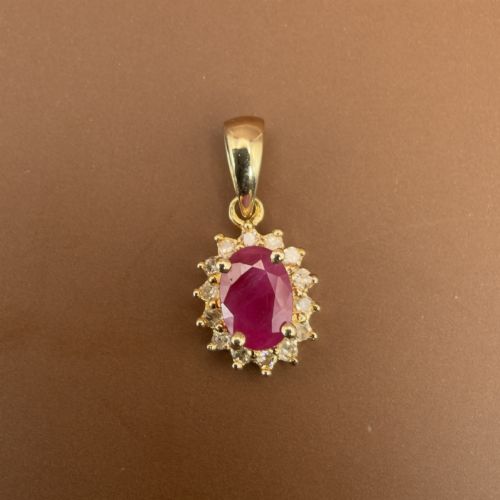
A yellow gold gemstone pendant combines warm-toned precious metal with natural stones, hanging from a chain or collar. When searching for a yellow gold gemstone pendant, buyers encounter pieces spanning from the Victorian and Edwardian eras through the Art Deco period and mid-century decades.
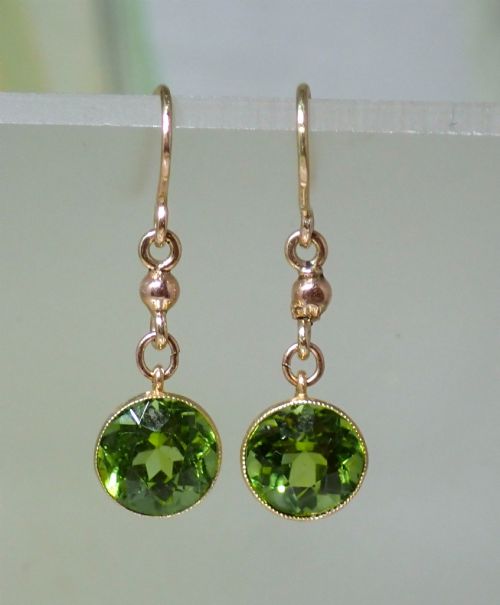
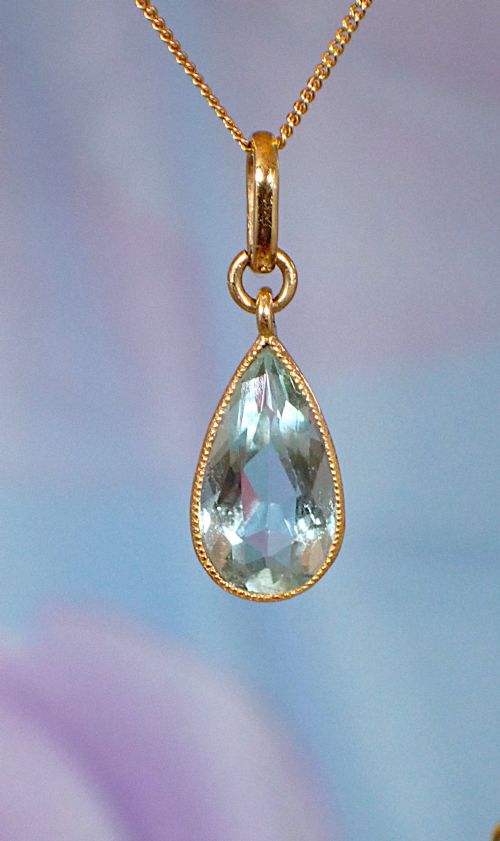
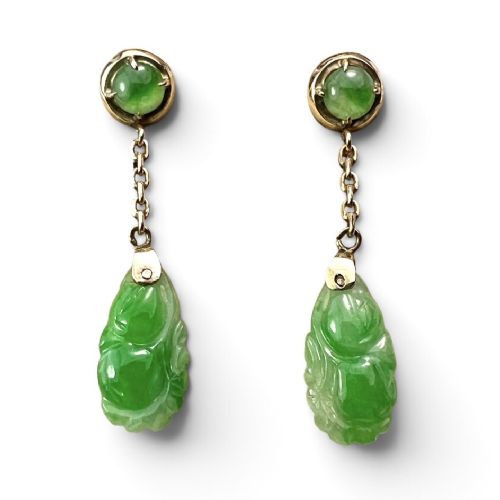
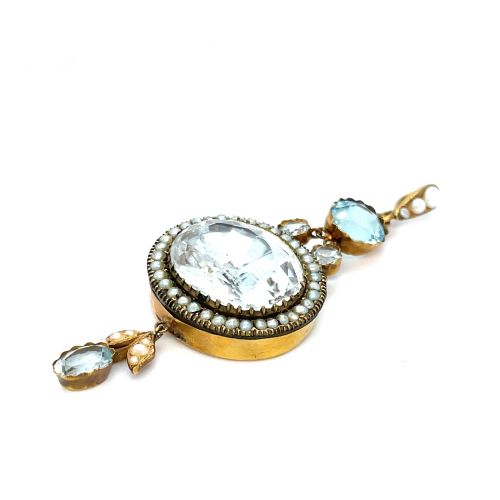
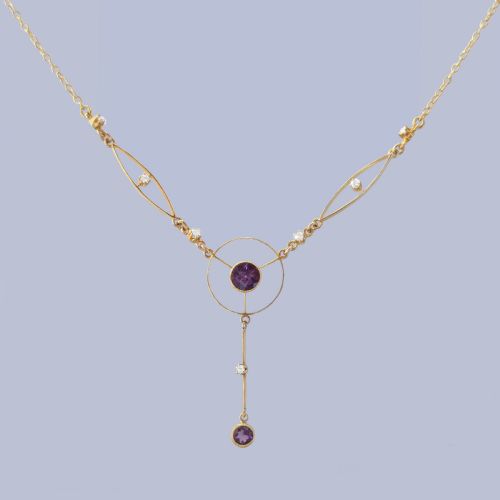
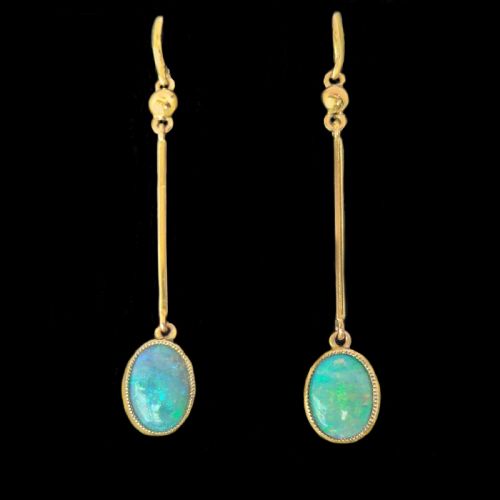
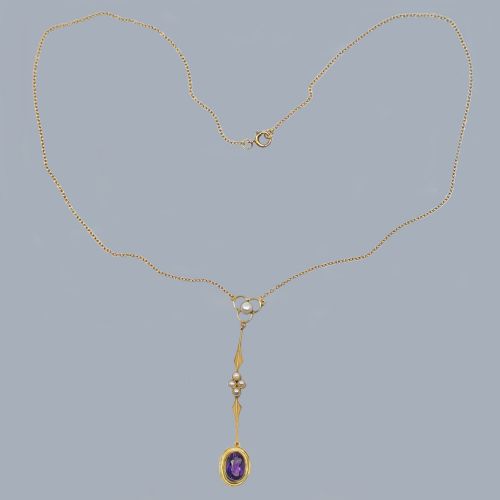
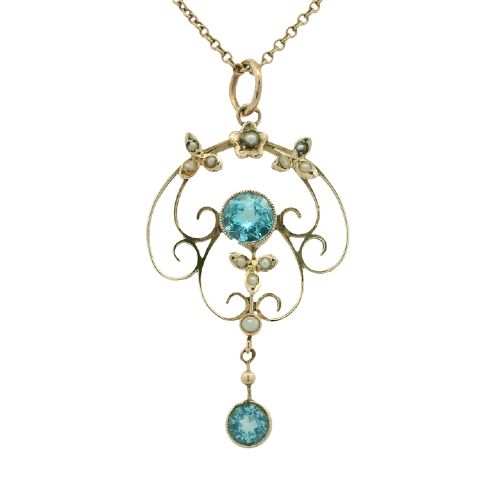
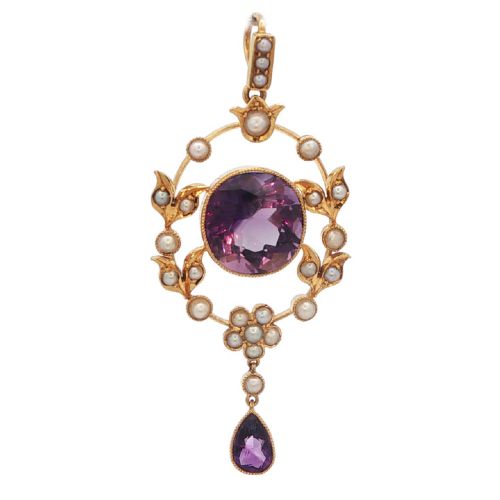
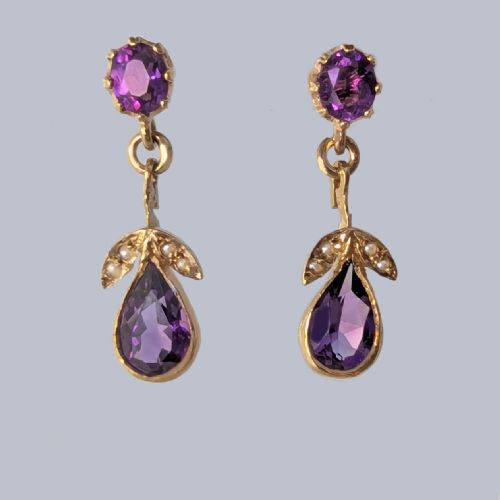
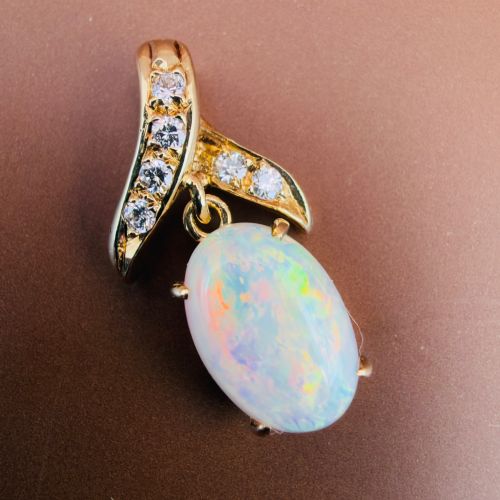
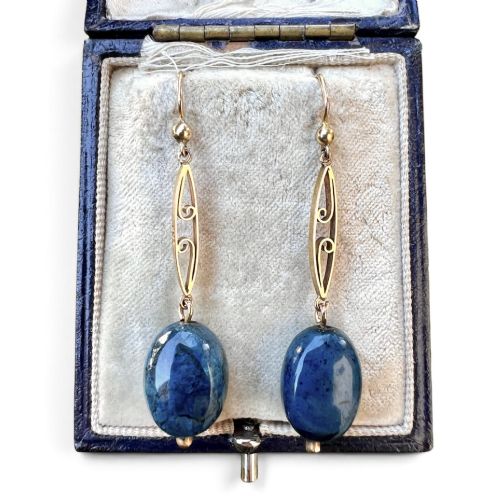
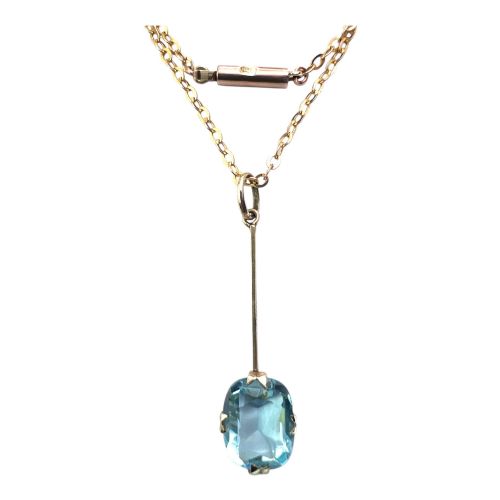
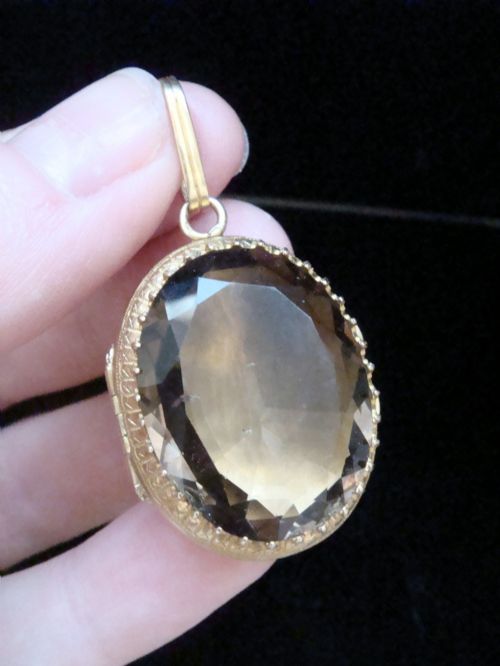
The selections on this page range from delicate lavalier necklaces set with amethysts and seed pearls to substantial opal, aquamarine, and peridot clusters. Forms include single-stone solitaires, articulated drops, and carved fobs or seals.
Originating across the nineteenth and twentieth centuries, these items reflect the shifting design priorities of successive decades, moving from ornate floral motifs to geometric lines and clean vintage settings.
Materials and construction methods
Goldsmiths utilised varying purities of gold, including 9ct, 14ct, 15ct, and 18ct, shaped into settings that secure faceted or cabochon gemstones. Stones such as aquamarine, amethyst, opal, and diamond are held by delicate claws, bezels, or foil backings.
Construction techniques involve cast or hand-fabricated metalwork, often enhanced with filigree wire, seed pearls, or enamel details. Jewellers balanced structural durability with lightness, particularly in Edwardian lavaliers and Art Deco drops.
Listings span Victorian, Edwardian, Art Deco, and mid-century periods, utilising gold, silver, amethysts, opals, and aquamarines.
Factors of distinction
Quality rests upon the proportion of metal to stone and the integrity of the gemstone cutting and setting. Superior examples display harmonious colour saturation within the stones and precise, intact metalwork without distortion.
The distinction between standard commercial pieces and finer items depends on the originality of the components, the weight and purity of the gold, and the presence of maker marks or gemological reports.
S. Blanckensee & Son·Murrle Bennett
The Yellow Gold Gemstone Pendant Glossary
- Lavalier
- A pendant featuring a central stone with one or more suspended drops hanging below. This style gained popularity during the Edwardian period.
- Cabochon
- A gemstone shaped and polished with a smooth, rounded surface rather than faceted edges. This cut appears frequently on opals, moonstones, and sapphires.
- Foil back
- A historical technique where a thin sheet of reflective metal is placed behind a gemstone to enhance its brilliance and colour. This method is common in Victorian jewellery.
- Seed pearl
- A very small, naturally occurring pearl, often drilled and threaded onto silk or wire in clusters. These small pearls accent many Edwardian and Victorian designs.
- Fob
- A short chain or pendant attached originally to a pocket watch, frequently featuring a hardstone seal or carved stone. These items are commonly adapted as pendants today.
Yellow Gold Gemstone Pendant: Frequently Asked Questions
What is an Edwardian lavalier necklace?
An Edwardian lavalier is a pendant necklace featuring delicate gold chains and suspended gemstone drops, typically incorporating amethysts, peridots, or seed pearls.
These pieces reflect the light, airy aesthetic popular in the early twentieth century and sit close to the collarbone.
How do I care for antique opal pendants?
Opals contain natural water content and require gentle handling, protection from harsh chemicals, and avoidance of extreme temperature shifts.
Store them separately in soft pouches and clean them using only a damp cloth rather than ultrasonic jewellery baths.
What gold purity should I expect?
Gold purity in these selections varies from 9 carat and 14 carat up to 15 carat and 18 carat yellow gold, depending on the period of manufacture.
British pieces often bear hallmarks indicating the exact gold standard and assay office.
How do I distinguish Victorian from Art Deco pieces?
Victorian jewellery relies on romantic motifs, foil-backed stones, ornate wirework, and naturalistic subjects like hearts and crosses.
Art Deco items shift towards geometric symmetry, sharp lines, and stylised arrangements that embrace modernist design principles.