
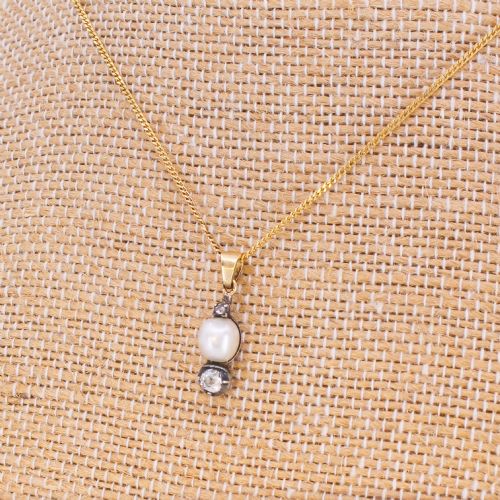
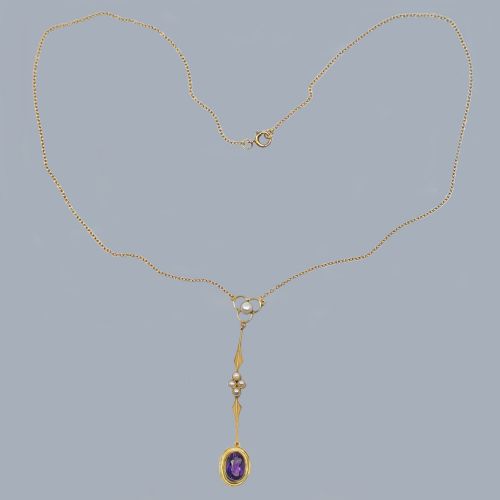
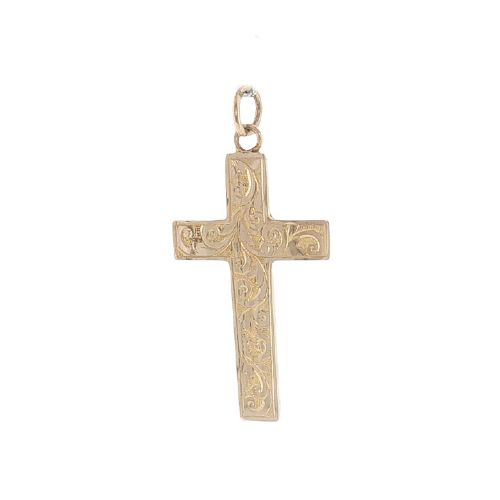
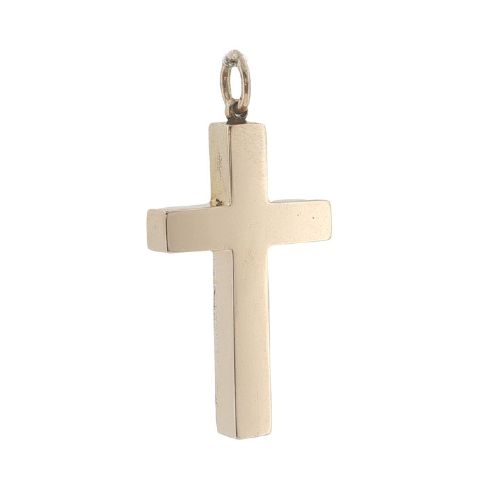
Vintage Yellow Gold Pendant
A vintage yellow gold pendant offers a tangible link to past eras, bringing enduring warmth and intricate craftsmanship to modern necklines.
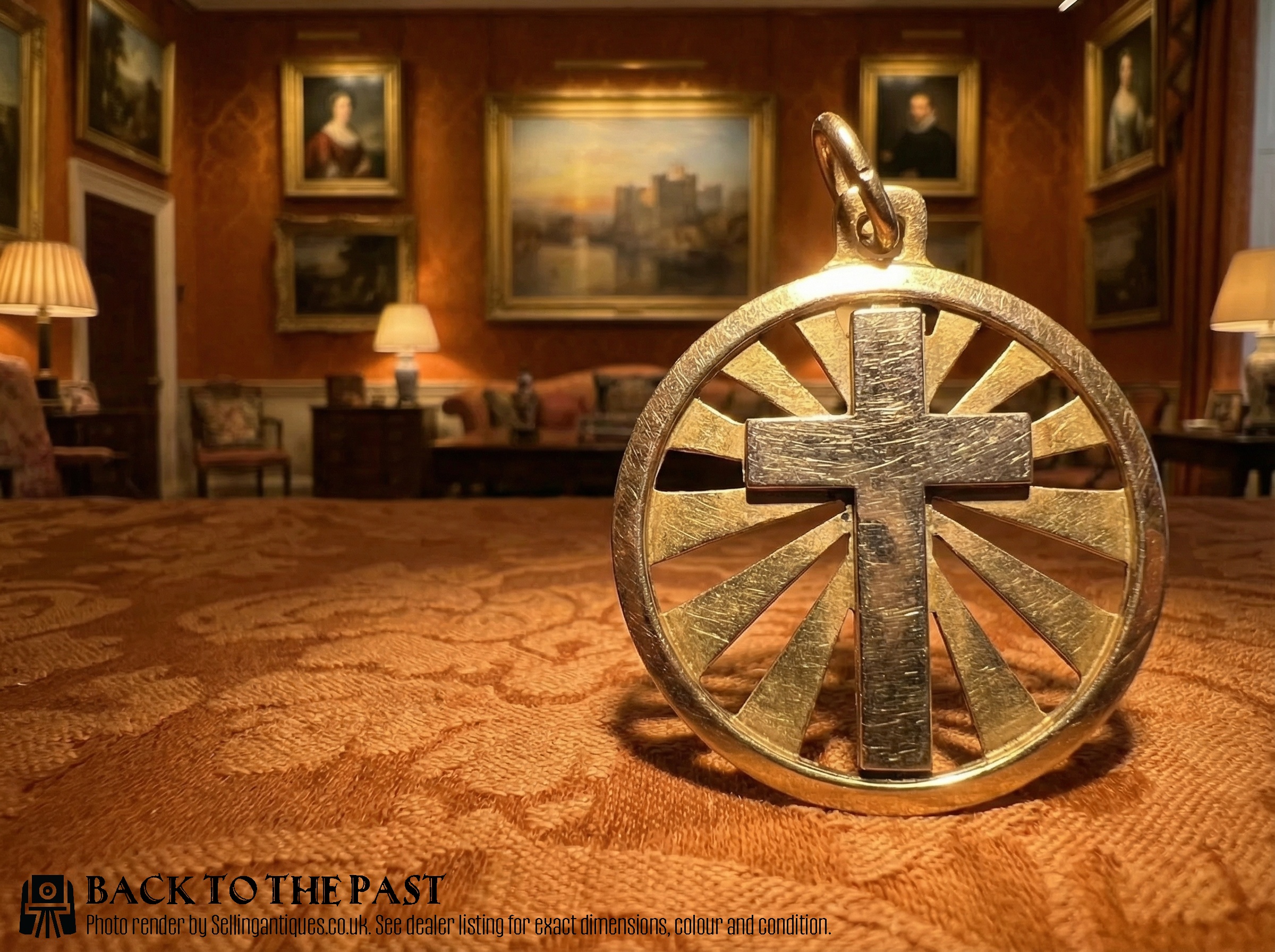
Vintage Yellow Gold Pendant
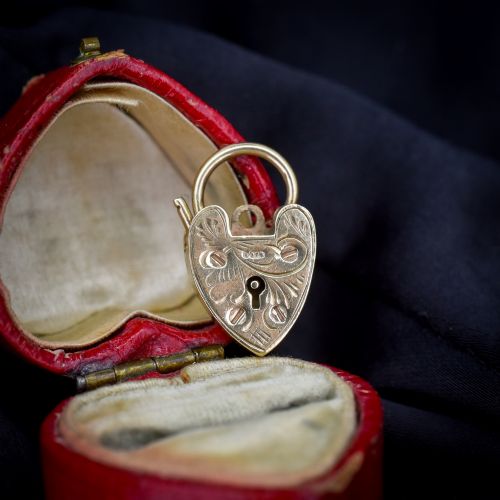
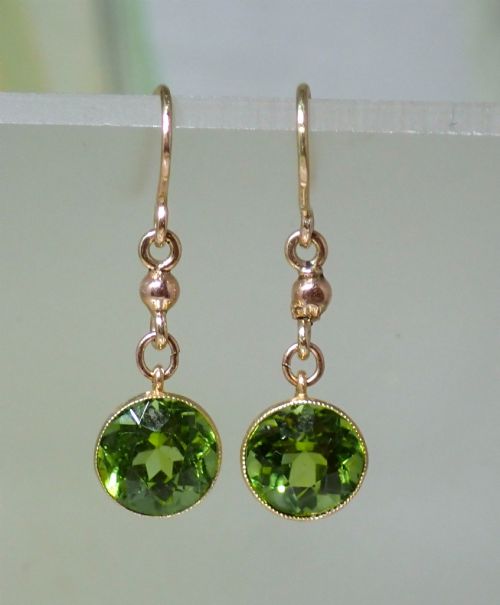
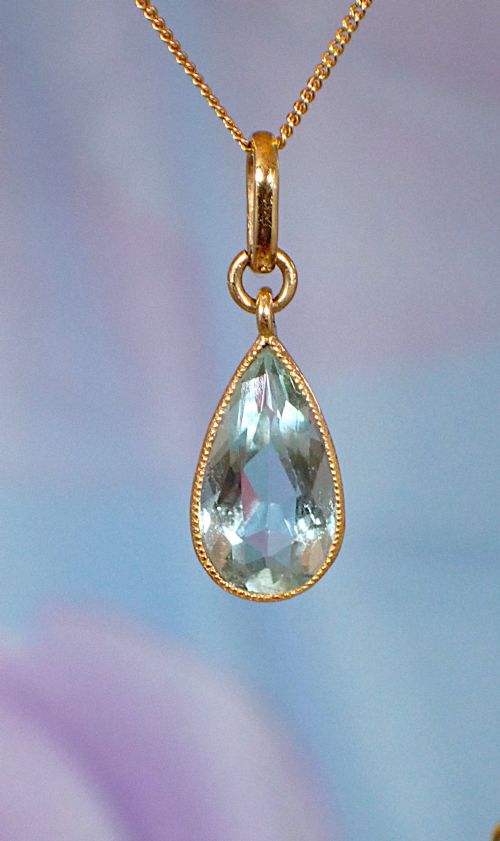
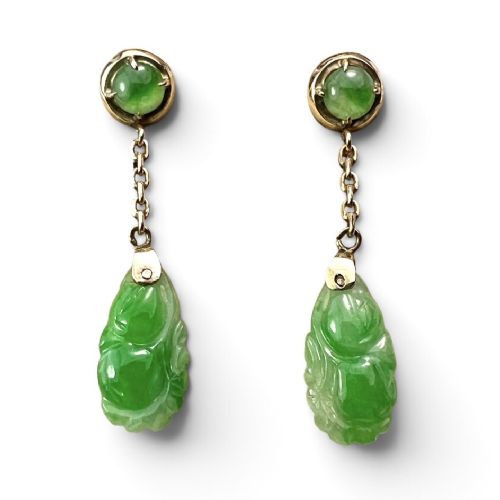
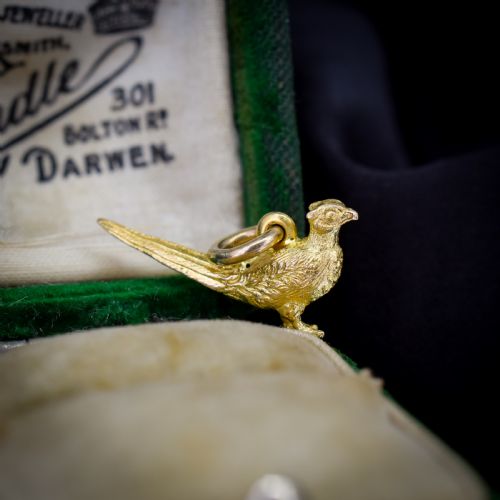
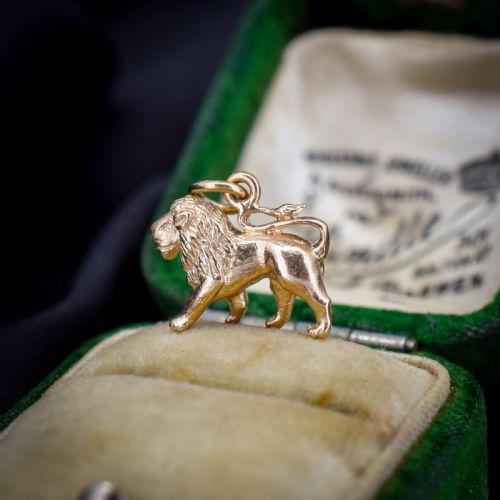
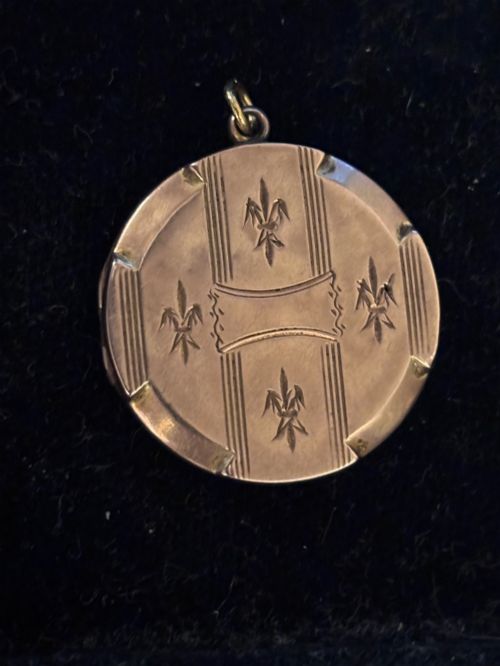
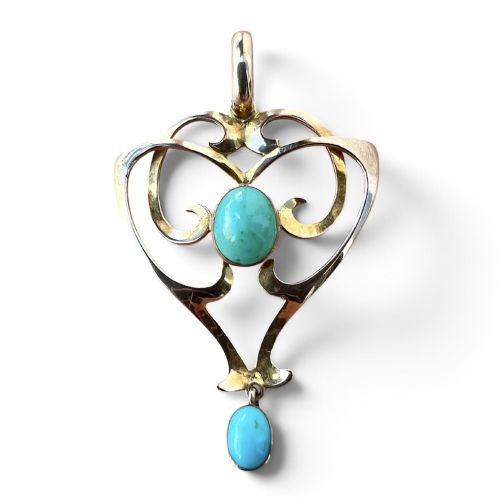
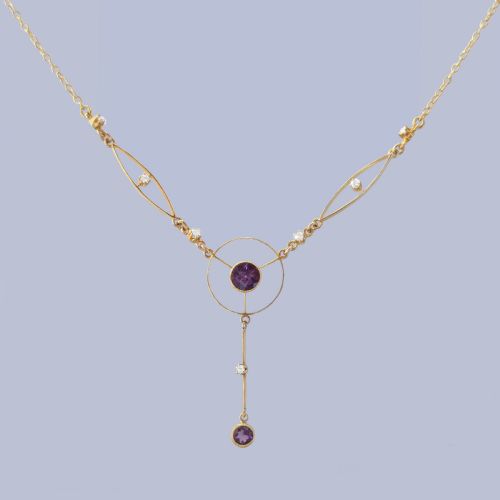
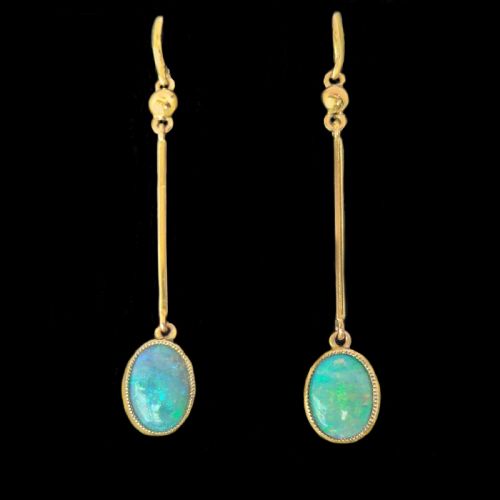
A vintage yellow gold pendant encompasses a diverse selection of neck ornaments, charms, lockets, and medals spanning from Victorian times through the mid-century decades. Buyers encounter everything from delicate Edwardian gem-set drop pieces to playful 1960s charms and religious medals.
The aesthetic vocabulary stretches across distinct periods including Art Nouveau, Art Deco, and mid-century designs. Formats range from devotional medallions and figural charms to classic geometric lockets and lavalier necklaces.
Determining quality in gold pendants
The finesse of the hand engraving and the precision of the stone setting dictate the upper tier of craftsmanship. Superior pieces exhibit crisp detail in chased or engraved motifs without smoothing from wear or over-polishing.
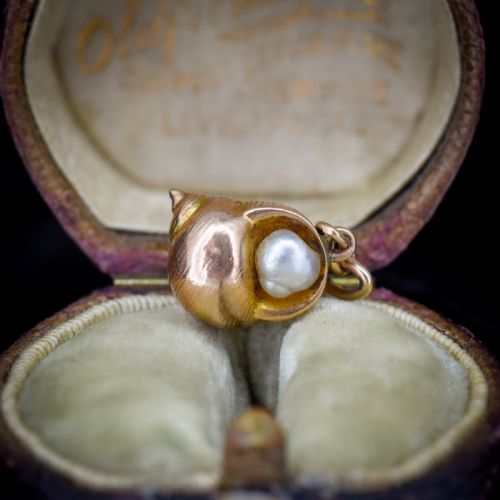
The choice and matching of materials distinguish finer examples, such as the uniformity of natural seed pearls or the depth of colour in amethysts and aquamarines. Structural integrity, including robust bails and secure gemstone retention, marks the distinction between standard production and exceptional goldsmithing.
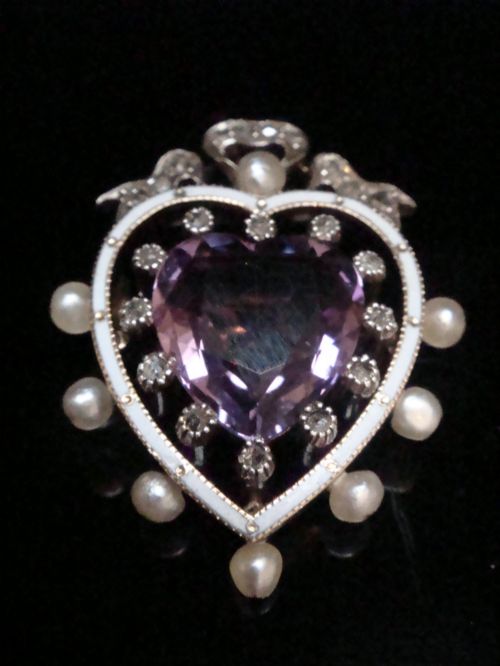
Listings feature yellow gold pendants from Victorian, Edwardian, Art Deco, and mid-century eras, incorporating materials like amethysts, seed pearls, and enamel.
Deakin & Francis·Becker·Augis
The Vintage Yellow Gold Pendant Glossary
- Lavalier
- A necklace featuring a pendant that drops below the main chain line, often incorporating multiple dangling stones or components popular during the Edwardian era.
- Guilloche enamel
- A decorative technique where transparent enamel is layered over precisely machine-turned metal engraving to create a geometric, shimmering pattern.
- Fob
- A short chain or ornamental pendant formerly attached to a pocket watch, frequently repurposed as a charm or necklace pendant in later periods.
- Repoussé
- A metalworking method where the design is hammered into relief from the reverse side of the gold sheet to create three-dimensional surface texture.
- Seed pearl
- Very small natural or cultured pearls, typically un-drilled or half-drilled, commonly clustered in floral or geometric configurations on antique jewellery.
Vintage Yellow Gold Pendant: Frequently Asked Questions
How do I date a gold pendant?
Dating relies heavily on hallmarks, maker stamps, and stylistic cues characteristic of specific design eras like Art Nouveau or the mid-century period. Examination of the construction techniques, such as hand-cut stones or specific hinge designs, also aids in establishing an approximate timeframe.
Official assay office marks and date letters stamped directly onto the gold provide the most precise chronological indicator. Comparing these marks with established registry records helps confirm the exact year of manufacture.
What is the difference between nine-carat and eighteen-carat gold?
Nine-carat gold contains a lower proportion of pure gold mixed with alloy metals, resulting in a slightly paler yellow hue and greater durability against daily wear. Eighteen-carat gold possesses a higher gold content, producing a richer, warmer colour and a softer metallic composition.
Both purities were widely utilised across different historical periods depending on regional standards and the intended function of the pendant. Higher karat weights often indicate a piece intended for finer, more precious gemstone settings.
Can I wear my pendant every day?
Solid gold pendants generally withstand daily wear remarkably well, provided the chain and bail remain secure and robust. Items featuring softer organic materials like pearls or fragile enamel require greater care to avoid impact and moisture damage.
Removing the pendant during strenuous physical activity or swimming protects both the gold and any delicate gemstone settings. Routine inspection of the connecting ring ensures the piece stays securely attached to the chain.
How should I clean antique gold jewellery?
Cleaning requires warm water, mild soap, and a very soft cloth to gently remove accumulated oils and environmental debris from the metal surface. Harsh chemical dips and ultrasonic cleaners can damage softer gemstones like turquoise, pearls, or enamel.
Professional jewellers can provide a safer deep clean for pieces with intricate settings or antique stones. Regular wiping with a non-abrasive polishing cloth helps maintain the natural lustre of the yellow gold.