
Yellow Gold Clasp
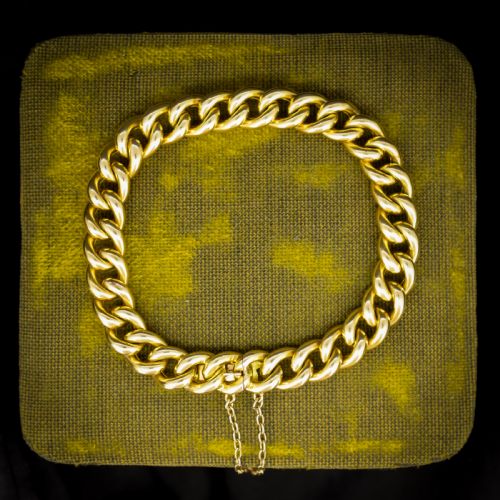
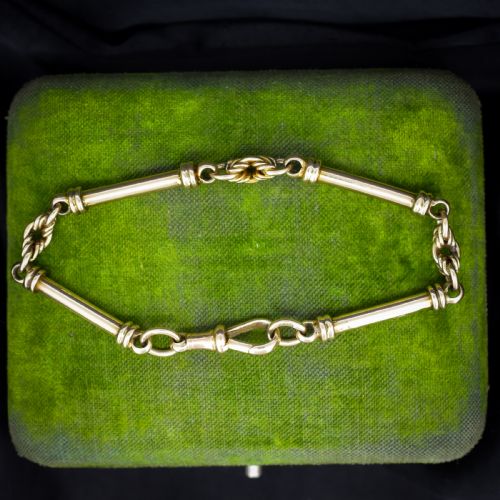
A yellow gold clasp secures the chains, bracelets and pearl strands found in this selection.
Yellow Gold Clasp
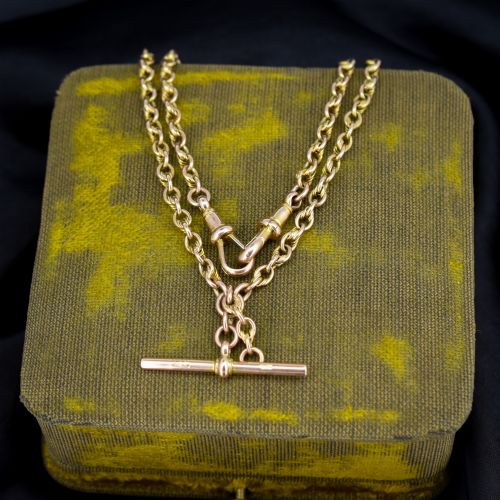
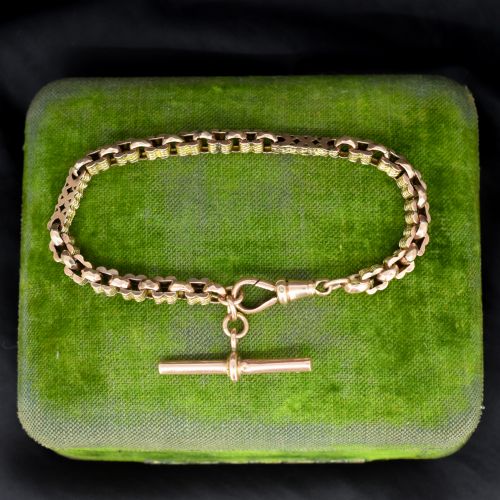
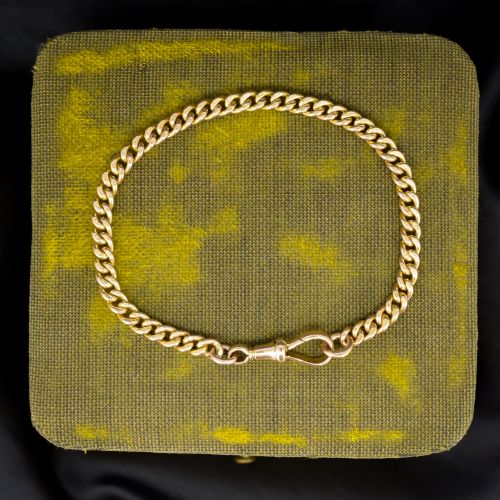
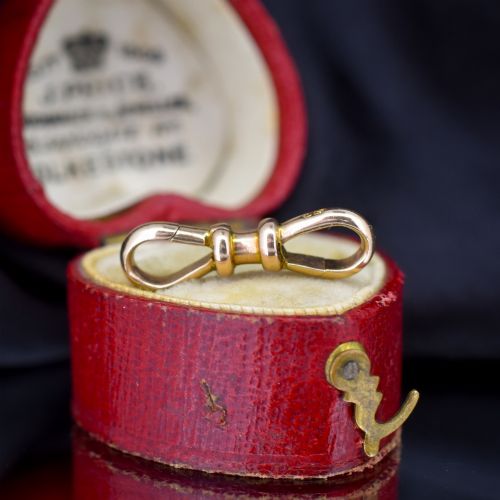
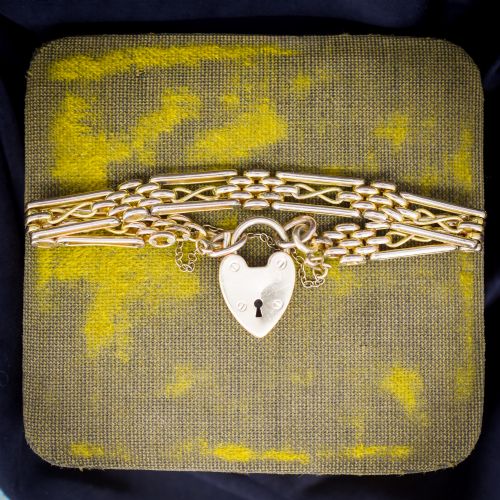
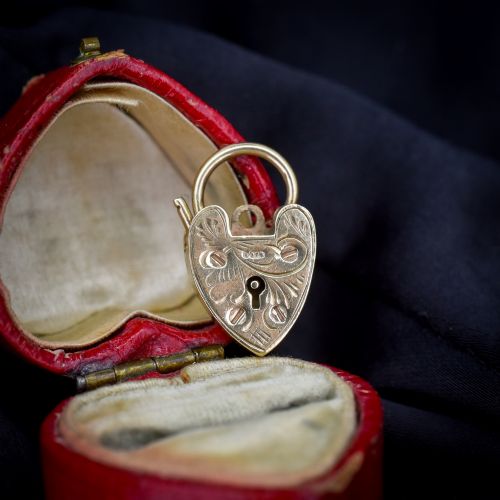
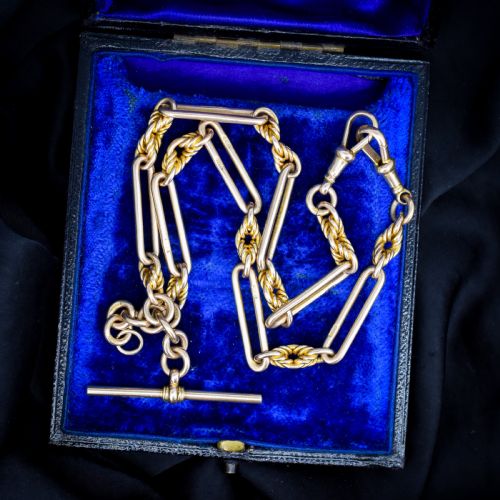
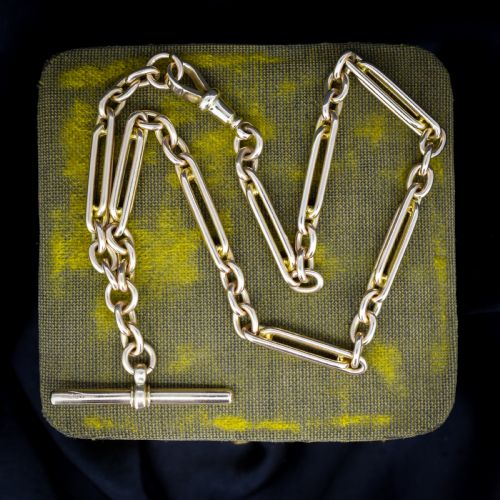
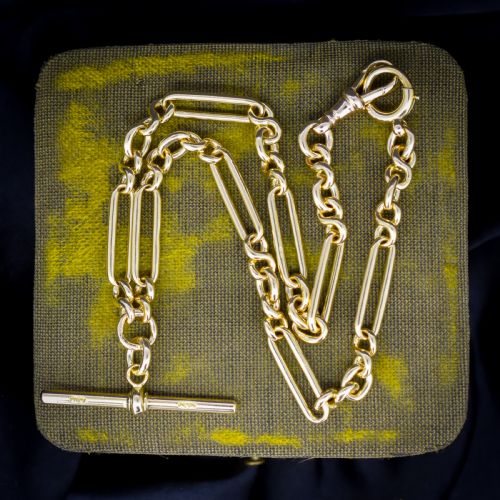
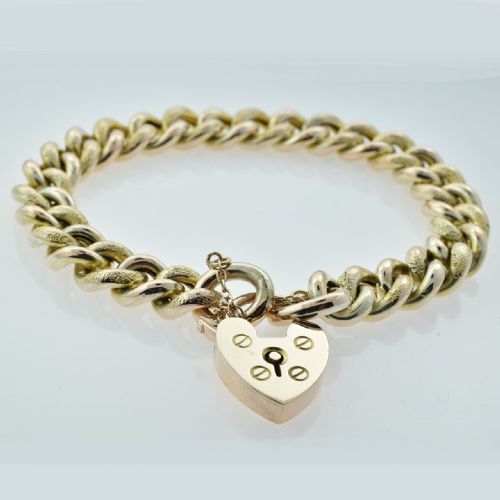
A yellow gold clasp most frequently fastens antique watch chains, pocket watch albert chains, guard chains and charm bracelets originating from the Victorian, Edwardian and early twentieth century periods. These closures take forms such as dog clips, swivel hooks, barrel fasteners, and heart padlocks.
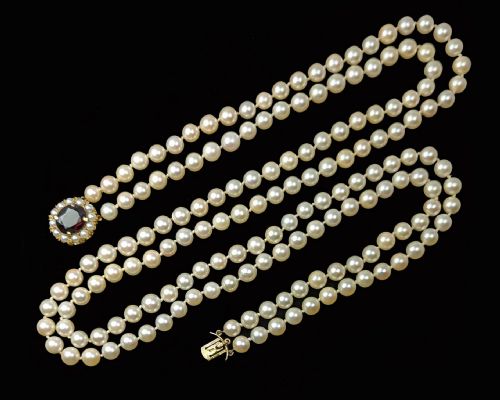
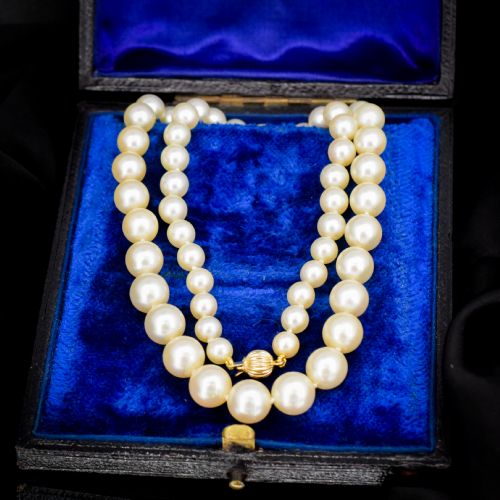
Beyond watch chains, a yellow gold clasp appears on pearl necklaces and gemstone bead strands, often functioning as an ornamental centrepiece set with diamonds, garnets, turquoise or emeralds. French antique examples also utilise these fasteners on belt buckles and fancy link necklaces.
The pieces listed span nineteenth century origins through to mid-century vintage designs, reflecting diverse manufacturing standards from standard nine carat up to eighteen carat gold. Buyers encounter both robust working chains intended for daily use and delicate pearl strands secured by gem-set box closures.
Materials and construction
Items carrying a yellow gold clasp are fabricated primarily from various purities of gold, including nine carat, fifteen carat, and eighteen carat yellow gold, alongside rolled gold alternatives. Goldsmiths shaped these metals into hollow or solid links such as curb, trombone, paper clip, and fancy patterns.
Fastening mechanisms incorporate internal springs, hinges, and secure locking gates, particularly visible in dog clips and heart padlocks. Gemstone-set clasps integrate pearls, diamonds, rubies, and turquoises held within claw or flush settings alongside the primary gold structure.
Variations in standard
The quality of a yellow gold clasp and its associated chain depends upon the weight of the metal and the integrity of the mechanical parts. Solid gold links and fully sprung snap closures or functional swivel mechanisms represent superior manufacturing compared to hollow or worn alternatives.
Artisanal execution distinguishes standard production items from fine examples featuring hand-engraved detailing, calibrated gemstone settings, and hallmarked components on every individual link. The integration of the closure into the overall design determines whether the piece functions as a hidden fastener or a decorative focal point.
The Yellow Gold Clasp Glossary
- Dog clip
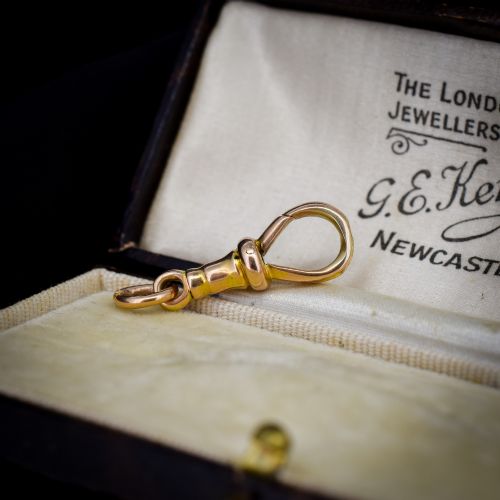
- A spring-loaded clasp with a moving lever gate, commonly found on nineteenth century watch chains and charm bracelets. This mechanism allows the wearer to attach and detach pendants or secure the chain to a garment.
- Albert chain
- A pocket watch chain designed to pass through a waistcoat buttonhole, featuring a T-bar at one end and a clasp at the other. Victorian and Edwardian examples often utilise heavy curb or trombone links.
- Heart padlock
- A hollow or solid padlock shaped like a heart, functioning as a clasp or pendant on Victorian bracelets and chains. Many open via a small lever and display chased engraving.
- Rolled gold
- A material formed by bonding a thin sheet of gold to a base metal core under heat and pressure. This technique provides the appearance and wear resistance of solid gold at a different weight standard.
- Longuard chain
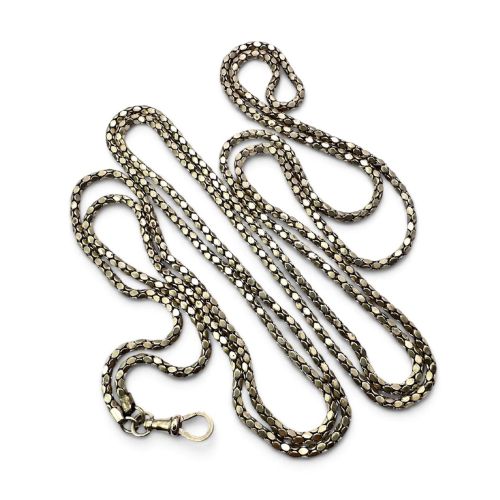
- An exceptionally long necklace chain worn doubled or tripled around the neck, often finished with a dog clip or swivel clasp. These pieces date predominantly from the Victorian and Edwardian eras.
Yellow Gold Clasp: Frequently Asked Questions
What is an albert chain?
An albert chain is a traditional pocket watch chain designed to be secured through a waistcoat buttonhole by a T-bar. They were widely used during the Victorian and Edwardian periods.
These chains often incorporate a dog clip or swivel clasp at one end to hold a pocket watch or charms. Today, they are frequently worn as necklaces or wrap bracelets.
How do dog clip clasps work?
A dog clip operates via an internal spring-loaded lever that opens an inward-pressing gate. This allows the user to clip the fastener onto a jump ring, chain link, or pendant loop.
They appear frequently on nineteenth-century watch chains and charm bracelets as both a secure fastener and a decorative element.
What is rolled gold?
Rolled gold is a durable material created by mechanically bonding a layer of solid gold to a base metal core. It differs from gold plating by possessing a much thicker layer of actual gold.
Items made with rolled gold offer the visual appearance of solid gold while maintaining a different weight and cost structure.
How do I style an antique chain?
Antique chains can be worn doubled around the neck or left at their full length, depending on the piece. Many incorporate dog clips that allow the wearer to attach pendants or secure the chain into a shorter loop.
Pairing them with charm pendants or wearing multiple lengths together reflects historical methods of display while suiting modern wardrobes.