



Graduated Bead Necklace
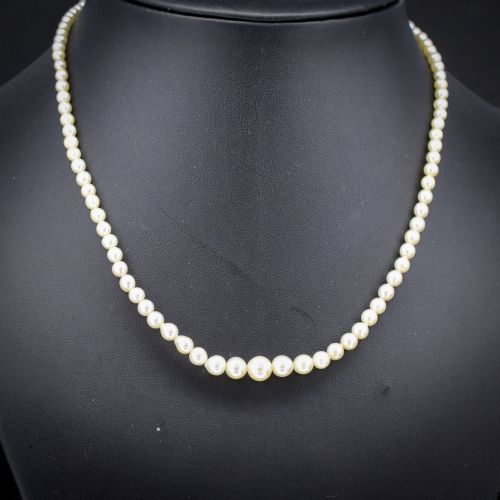
These graduated bead necklace pieces offer a classic silhouette that draws the eye directly to the centre of the neckline.
What a graduated bead necklace is
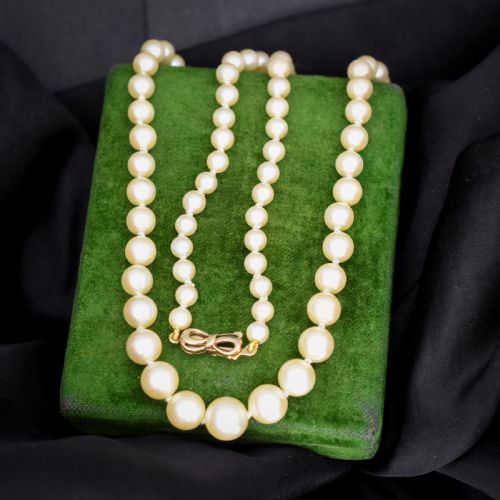
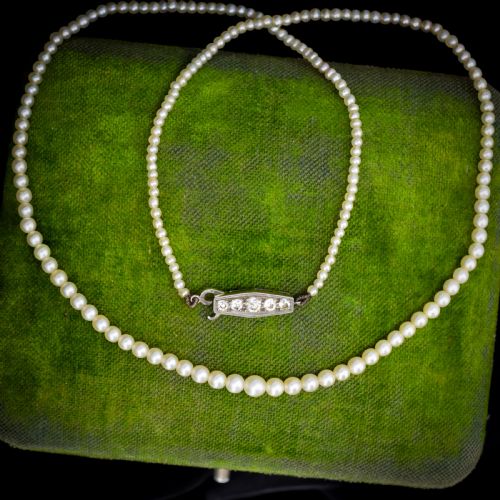
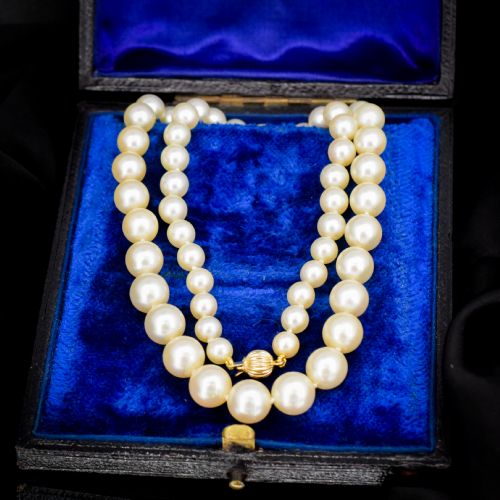
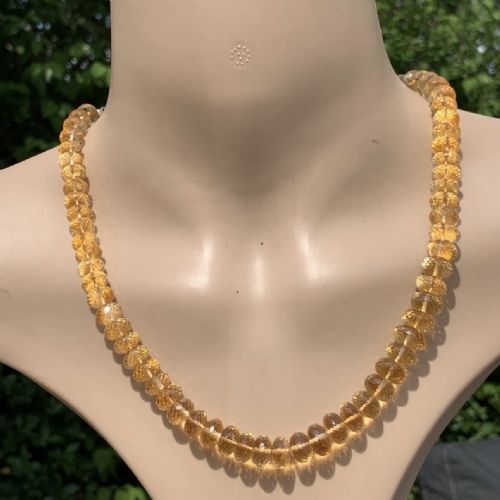
A graduated bead necklace presents beads that scale evenly from small near the clasp to large at the focal point. This configuration creates a balanced taper that rests smoothly along the collarbone or drops further down the chest.
The evidence shows examples spanning from the Victorian era through the Edwardian period and into the mid-century decades of the 1900s and 1960s. Lengths vary significantly, from short seventeen-inch strands to longer pieces measuring over thirty inches.
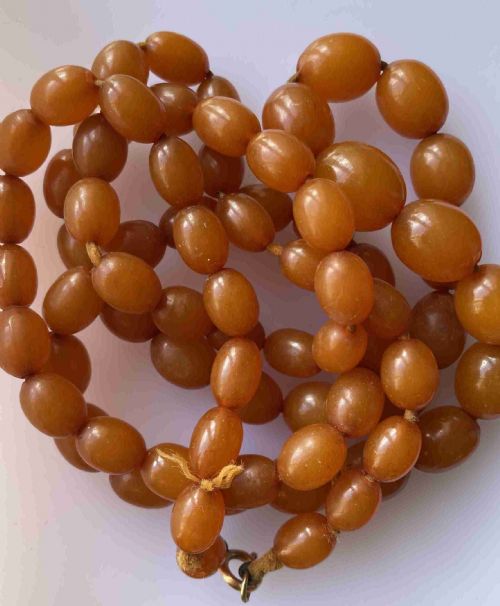
Materials appearing across current listings and archive records include pearl, natural coral, and baltic amber in shades of butterscotch and yellow. Many pieces incorporate gold clasps or traditional silk thread stringing to secure the beads.
How they were made
Craftsmen selected organic materials such as coral, amber, and pearl, shaping and drilling each individual component by hand. The painstaking process of sorting stones by size ensured a smooth, uninterrupted progression from the smallest end beads to the largest centrepieces.
Makers threaded these organic beads onto silk thread, frequently knotting the cord between individual beads to prevent loss if the strand broke. Clasps fashioned from gold provided secure fastenings, completing pieces designed for daily wear or formal attire.
Some heavier amber strands reach lengths over thirty inches, weighing nearly eighty grams of fossilised tree resin.
What varies in quality
Quality rests upon the uniformity of the material and the precision of the grading process. Consistent colour distribution across butterscotch amber or natural coral sets finer examples apart from unevenly matched assemblies.
The integrity of the stringing and the quality of the metal clasp further distinguish the work. Expert execution ensures the strand drapes fluidly without stiffness or irregular gaps between adjacent beads.
The Graduated Bead Necklace Glossary
- Graduation
- The deliberate scaling of bead dimensions from small to large. This design element ensures the necklace frames the neck cleanly.
- Baltic amber
- Fossilised tree resin originating from the northern European region. It appears frequently in vintage pieces with distinctive butterscotch and yellow tones.
- Natural coral
- Marine invertebrate skeletons harvested for jewellery. Pieces range from deep red to pale pink shades.
- Silk thread
- A traditional fine cord used for stringing beads. Its flexibility allows the necklace to drape naturally against the skin.
Frequently Asked Questions
How should I clean my necklace?
Organic materials like amber and pearl require gentle care using a soft, damp cloth. Avoid harsh chemical cleaners and ultrasonic baths.
Storing the piece flat in a lined box protects the silk thread from stretching and prevents the beads from scratching against other items.
Are all amber beads genuine?
Testing methods such as density checks and thermal reactions help confirm authenticity. Natural amber feels warm to the touch rather than cold like glass.
Historical pieces often display natural inclusions and minor surface variations that indicate genuine fossilised resin.
Can necklace lengths be altered?
Adjusting length depends on the availability of matching beads from the same period and material. Restringing is straightforward when using traditional silk thread.
Professional jewellers can rebuild compromised strands while preserving the original clasp and grading sequence.
What clasp types are typical?
Gold clasps appear frequently on coral and pearl strands from the Victorian and Edwardian eras. These functional fastenings often feature simple box mechanisms or spring rings.
Secure closures ensure the weight of heavier amber or coral beads remains safely supported during wear.