



Yellow Daum Nancy Vase
A yellow daum nancy vase is a piece of cameo or enamelled glass that brings vibrant colour and botanical motifs into a room.
Yellow Daum Nancy Vase
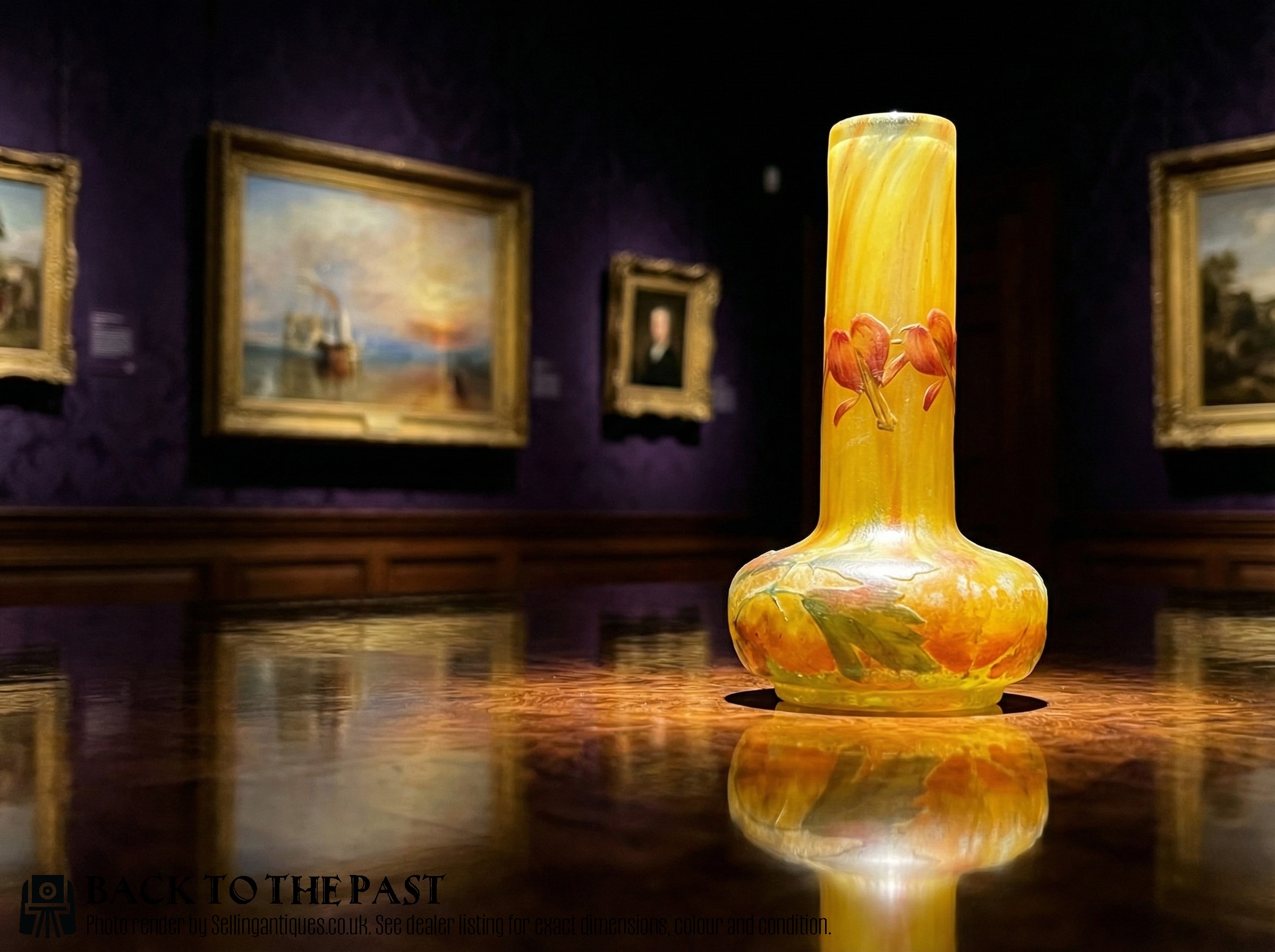
When you search for a yellow daum nancy vase, you encounter works created by the Daum brothers in France during the early twentieth century. These pieces fall principally into two distinct periods, spanning the Art Nouveau and Art Deco movements of 1900 and 1920. Collectors seek these items for their striking utilisation of glass techniques and naturalistic or geometric subjects.
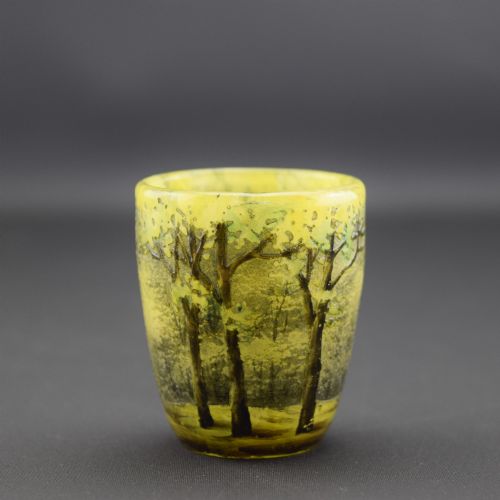
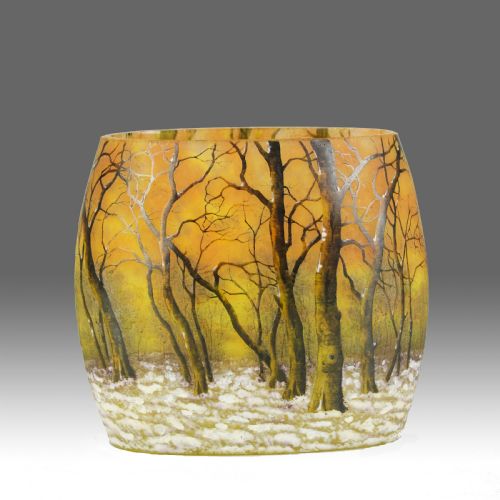
The objects available take the form of vases, ranging from miniature vessels to large display pieces reaching forty-four centimetres in height. The decorative subjects focus heavily on botanical themes such as sweet pea flowers, montbrecia, botanica, solanacees, coeurs de jeanette, iris, blackberries, and winter landscapes.
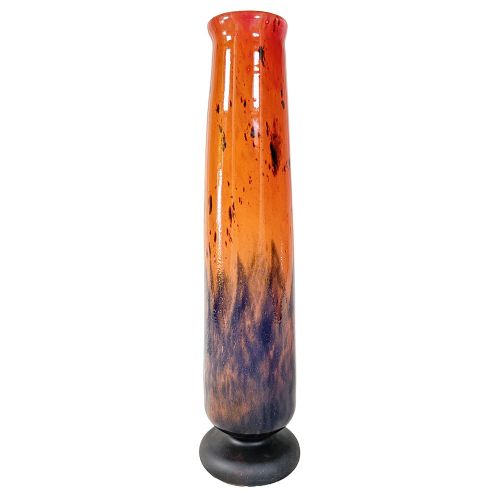
Art Nouveau examples dominate the selection, showing organic floral motifs executed in cameo glass and enamel. A smaller representation of Art Deco design appears through larger glass vases from 1920, reflecting the stylistic shift towards cleaner geometric lines while maintaining the high standards of French glassmaking.
How they were made
The makers utilised blown glass as the fundamental base for these vessels, incorporating powdered glass and enamel to achieve rich surface textures and colouration. Acid-etched glass techniques allowed artisans to cut back the outer layers of glass and reveal contrasting tones beneath.
Cameo glass construction required multiple layers of glass fused together before being carved or etched to form raised motifs. Hand-applied enamel work frequently embellished the cameo surfaces, adding fine details to floral elements like sweet peas and iris.
Yellow Daum Nancy Vase Retail Price Guide 2026
Typical asking prices for yellow daum nancy vase among the pieces listed under this phrase on Sellingantiques today, from the lower quarter to the upper quarter. They describe what is for sale here now, not the wider market.
Materials recorded on this page include cameo glass, enamel, acid-etched glass, blown glass, and powdered glass.
What varies in quality
The distinction between standard vessels and exceptional examples lies in the complexity of the cameo carving and the depth of the acid-etching. Pieces featuring intricate botanical subjects like multiple flower species or detailed landscape scenes require superior technical control from the glassmaker.
Scale and proportion influence the visual impact, particularly in larger formats where maintaining colour balance across a tall vessel demands expert manipulation of powdered glass and enamel. The precision of the transition between the Art Nouveau organic forms and the later Art Deco styles also dictates the refinement of the piece.
Daum Frerès·Daum Nancy
The Yellow Daum Nancy Vase Glossary
- Cameo Glass
- A form of glass created by fusing layers of different colours and then carving or acid-etching the outer layer to expose the design. This technique allows for high-relief decoration with distinct tonal contrasts.
- Acid-Etched Glass
- A method where hydrofluoric acid eats away at exposed portions of the glass surface to create frosted textures or recessed patterns. It provides precise control over depth without mechanical cutting.
- Enamelled Glass
- Glass decorated with melted powdered glass pigments fused to the surface through heat. This process adds permanent colour and fine illustrative detail over cameo or plain glass bodies.
- Art Nouveau
- An international decorative style popular around 1900 characterised by sinuous lines and natural motifs. The movement drew heavy inspiration from plant forms and botanical structures.
- Art Deco
- A design style emerging in the 1920s favouring streamlined geometric shapes and modern industrial aesthetics. It succeeded Art Nouveau with a shift towards symmetry and stylised abstraction.
Yellow Daum Nancy Vase: Frequently Asked Questions
What is a Daum Nancy vase?
A Daum Nancy vase is a decorative glass vessel produced by the famous French studio founded by Jean and Auguste Daum. These pieces utilise complex techniques such as cameo carving and enamelling to depict natural scenes.
The workshop became a central pillar of the Art Nouveau movement in France around 1900. Their output later embraced Art Deco styling while retaining traditional glassmaking excellence.
How do I identify Art Nouveau pieces?
Art Nouveau pieces feature organic curves and subjects inspired by the natural world, such as flowers, foliage, and landscapes. The decoration often wraps fluidly around the body of the glass.
Items from this movement typically date around 1900 and rely heavily on cameo glass and enamel. The motifs mirror plant life rather than rigid geometric structures.
What subjects appear on these vases?
The decoration frequently portrays botanical specimens including sweet peas, montbrecia, iris, blackberries, and solanacees. Artists also depicted seasonal scenes like winter landscapes and miniature boating vignettes.
These subjects reflect the deep interest in nature characteristic of the Art Nouveau period. Each design was executed using layered glass and acid-etching to create depth.
How do Art Deco vases differ?
Art Deco vases from 1920 move away from the fluid plant forms of earlier decades towards structural designs. They often appear in larger formats with bolder visual presence.
While they maintain the high manufacturing standards of the studio, the stylistic vocabulary reflects a modernising post-war aesthetic.
Where were these pieces made?
These glass objects were produced in Nancy, a city in the Lorraine region of France that served as a major centre for glass art. The regional studios drove innovation in cameo glass techniques.
Production spanned several decades, adapting from turn-of-the-century organic styles to later twentieth-century decorative trends.