



Yellow Ceramic Plaque
A yellow ceramic plaque brings vibrant warmth and historic narrative to a room, offering collectors rich hand-painted detail across tin-glazed earthenware and porcelain.
Yellow Ceramic Plaque
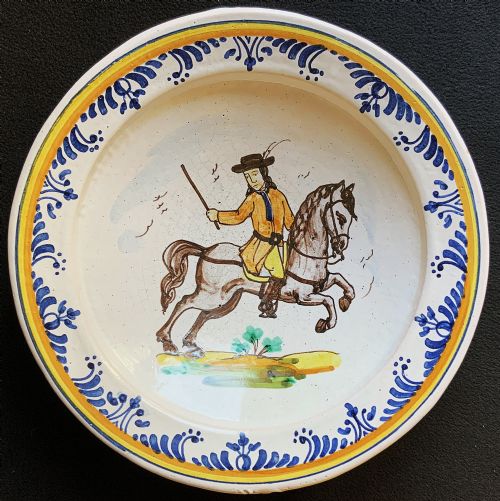
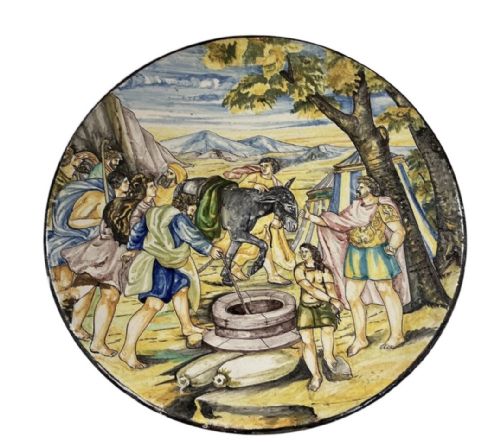
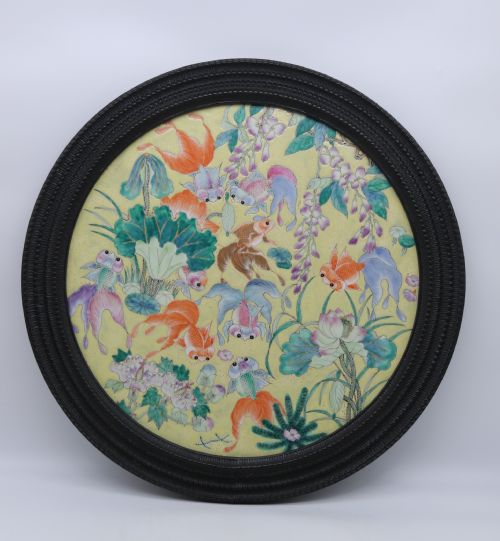
A yellow ceramic plaque encompasses decorative wall art, chargers, and framed porcelain panels spanning from the eighteenth century to the twentieth century. These pieces cross diverse cultural traditions, including Italian maiolica, Spanish delft faience, Dutch delft, and Chinese republican porcelain.
Buyers encounter devotional subjects, historical scenes, chinoiserie motifs, and floral arrangements like lilies. The pieces range from large Italian chargers to Scottish Portobello plaques and Royal Doulton porcelain plates.
The aesthetic centres on bright yellow grounds and polychrome pigments applied to earthenware and porcelain bases. Wall plaques and cabinet plates provide striking focal points for period interiors.
Materials and construction methods
Potters shaped these objects from earthenware, tin-glazed earthenware, and porcelain, often utilising tin glaze to create an opaque white or tinted surface for subsequent painting. Artisans then applied colourful pigments and enamel decoration by hand before firing.
Makers employed techniques ranging from Istoriato painting on Italian maiolica to delicate brushwork on Chinese porcelain panels and Scottish Portobello earthenware. These traditional methods resulted in durable wall art and display chargers designed for interior suspension or cabinet exhibition.
Yellow Ceramic Plaque Retail Price Guide 2026
Typical asking prices for yellow ceramic plaque among the pieces listed under this phrase on Sellingantiques today, from the lower quarter to the upper quarter. They describe what is for sale here now, not the wider market.
Listings feature ceramics in earthenware, tin-glazed earthenware, and porcelain, spanning the eighteenth, nineteenth, and twentieth centuries.
Evaluating craftsmanship and artistry
Quality reveals itself in the precision of the hand-painted detail and the depth of the pigment application across the ceramic surface. Master painters achieved fine facial expressions in devotional and historical scenes, whereas simpler folk art displays bolder, more rustic brushwork.
The integrity of the glaze, the complexity of the narrative composition, and the prestige of the producing school or factory distinguish standard decorative items from exceptional historic examples.
Royal Doulton·C. Ravier·Joseph Birbeck senior
The Yellow Ceramic Plaque Glossary
- Maiolica
- Tin-glazed earthenware produced in Italy, known for colourful painted decoration. It frequently depicts historical or mythological narratives.
- Charger
- A large ornamental plate intended for display on a wall or sideboard rather than for dining use. These pieces often feature elaborate painted scenes.
- Tin-glazed earthenware
- Pottery coated with a glaze containing tin oxide, which fires to an opaque white surface suitable for painting. This technique unites traditions across Spain, Italy, and the Netherlands.
- Istoriato
- A style of ceramic decoration featuring narrative historical, mythological, or biblical scenes covering the entire surface of the vessel. Painters utilised this technique heavily in Italian workshops.
Yellow Ceramic Plaque: Frequently Asked Questions
How do I hang a ceramic plaque safely?
Most wall plaques and chargers require a specialist spring hanger that distributes weight evenly around the rim without causing stress to the ceramic body.
Ensure you fix the wall bracket directly into a stud or use appropriate masonry anchors depending on your wall type.
Were these plaques meant for walls or tables?
Larger chargers and decorative plates frequently feature pierced footrings on the reverse designed specifically for hanging on walls.
Others functioned as centrepieces on sideboards or cabinets, depending on the traditions of the specific pottery.
How do I distinguish majolica from delftware?
Italian maiolica typically employs vibrant polychrome pigments over an opaque tin glaze with roots in Renaissance traditions.
Dutch and Spanish delft often leans towards distinct blue and white or limited polychrome palettes with specific regional motifs like chinoiserie.
How should I clean an antique ceramic plaque?
Dust the surface gently with a soft, dry brush to remove accumulated particles without disturbing the historic glaze.
Avoid using water, chemical cleaners, or abrasive cloths, as antique pigments and tin glazes can be sensitive to moisture.