



Yellow Art Pottery
Yellow art pottery brings together vibrant glazes and striking forms from the nineteenth and twentieth centuries, offering an immediate splash of colour to any room.
Yellow Art Pottery
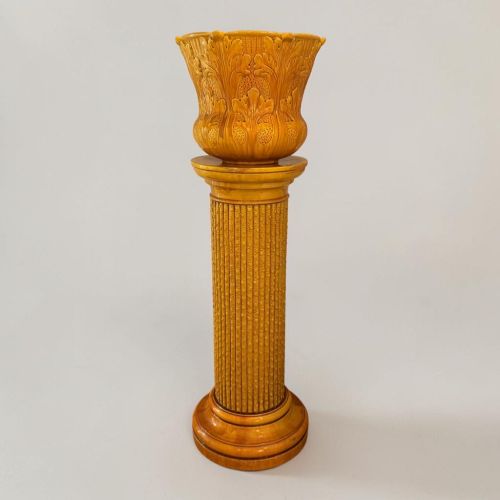
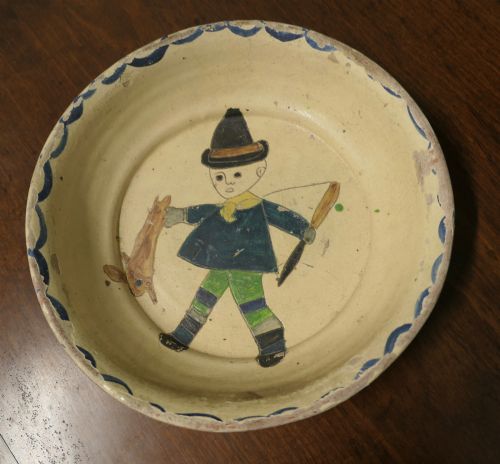
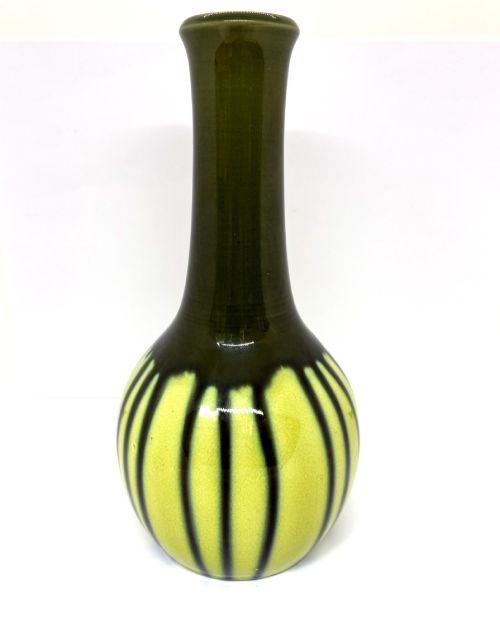
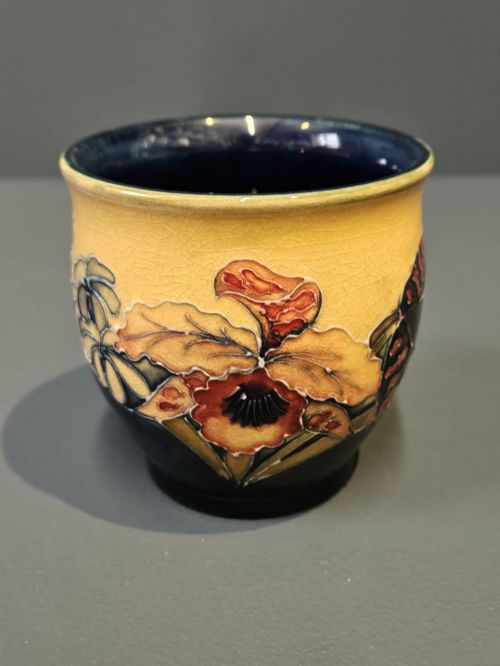
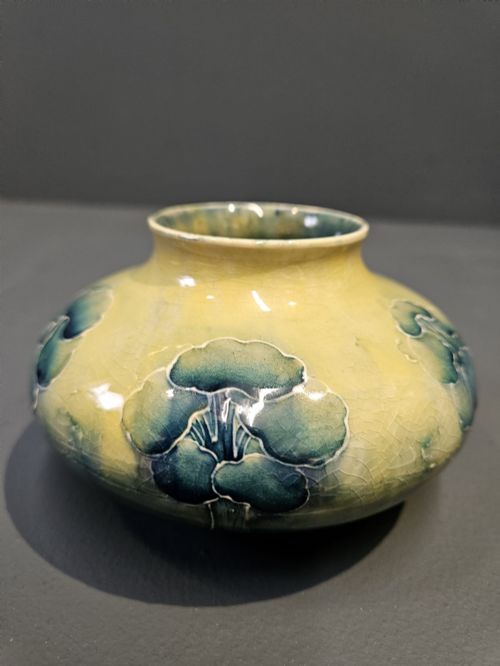
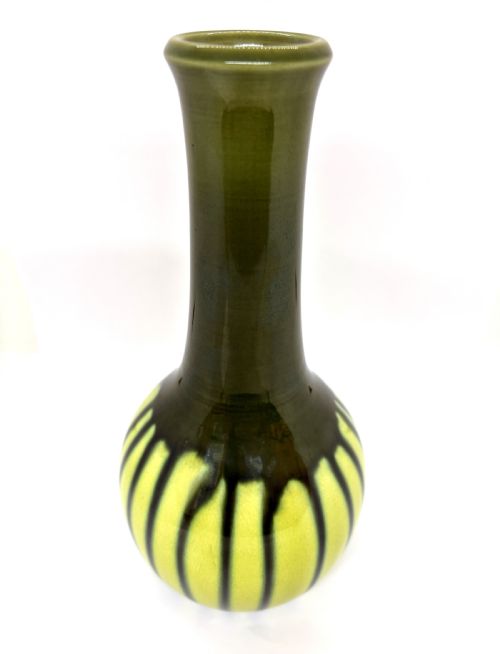
Yellow art pottery encompasses a diverse selection of glazed earthenware, porcelain, and faience pieces designed across several distinct historical periods. When searching for yellow art pottery, collectors encounter everything from striking Victorian plaques and French faience pin trays to bold Art Deco tea sets and crystalline glaze vases.
Vases and wall plaques dominate the forms on offer, alongside decorative sets and tablewares. These objects originate from British, Dutch, French, and American workshops, representing movements that span from the Arts and Crafts era through to Art Nouveau and Art Deco.
How they were made
Potters utilised earthenware and porcelain bodies shaped into vessels, plaques, and tiles before applying specialised liquid glazes. Hand painting frequently added detailed motifs over the fired surface, ranging from floral patterns to pictorial scenes.
Specialised firing techniques, such as crystalline glazes, created unique chemical reactions across the ceramic body during the kiln process. Workshops also employed tin-glazed faience methods, laying down opaque grounds that accepted vibrant polychrome decoration.
Yellow Art Pottery Retail Price Guide 2026
Typical asking prices for yellow art pottery among the pieces listed under this phrase on Sellingantiques today, from the lower quarter to the upper quarter. They describe what is for sale here now, not the wider market.
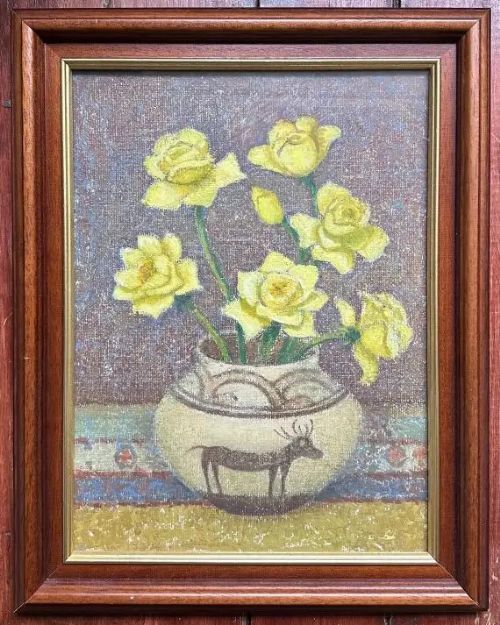
Listings span periods from the sixteenth century through to the nineteen-thirties, with materials ranging from earthenware and porcelain to wood and canvas.
What varies in quality
The sophistication of the glaze chemistry and the clarity of the hand-painted decoration largely determine the standing of an individual piece. Work displaying controlled crystalline effects or intricate polychrome brushwork sits higher in the range than standard commercial production.
The reputation of the maker and the distinctiveness of the modernist or traditional form also influence desirability. Pieces carrying specific artist signatures or originating from celebrated potteries demonstrate superior artistic ambition.
Burmantofts Pottery·Moorcroft·Clarice Cliff·Rozenburg·Royal Doulton·Wedgwood·Limoges
The Yellow Art Pottery Glossary
- Faience
- Tin-glazed earthenware, often decorated with colourful painted motifs on a white or pale ground. This technique was widely practiced by French and English potteries.
- Crystalline Glaze
- A specialised ceramic finish where visible crystals grow naturally within the glaze during the cooling phase of the kiln firing. This unpredictable process yields striking visual patterns.
- Earthenware
- Porous ceramic pottery fired at lower temperatures than stoneware or porcelain. It serves as the standard body for much of the decorative art pottery produced across the decades.
- Pin Tray
- A small, shallow dish originally intended for holding pins on a dressing table. These functional items frequently double as miniature canvases for decorative ceramic artists.
- Polychrome
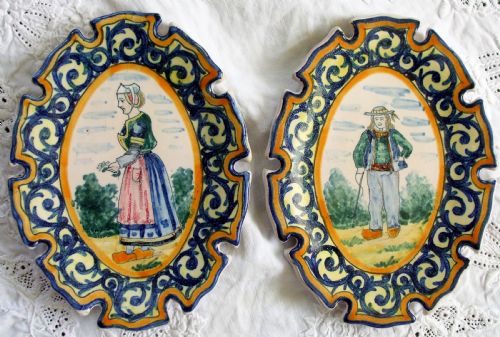
- Decoration utilising multiple distinct colours on a single ceramic object. It defines many traditional Dutch and French painted wall plaques and tablewares.
Yellow Art Pottery: Frequently Asked Questions
What is yellow art pottery?
Yellow art pottery encompasses glazed ceramic, earthenware, and porcelain objects created during the nineteenth and twentieth centuries. These pieces highlight bright yellow grounds and glazes across forms like vases, plaques, and tea sets.
Items range from Victorian faience tiles to Art Deco tableware. Each piece reflects the stylistic preferences and ceramic techniques of its specific period of origin.
How do I identify Art Deco pieces?
Art Deco ceramics from the nineteen-twenties and thirties typically display geometric patterns, stylised floral motifs, and bold colour blocking. Potters of this era embraced clean lines and asymmetrical shapes.
Signatures from designers like Clarice Cliff or Keith Murray often accompany these characteristic forms. The glazes tend to be flat and vibrant rather than subtle or shaded.
What is faience pottery?
Faience is tin-glazed earthenware covered in an opaque white or coloured enamel before being painted with metallic oxide pigments. This method allows for smooth brushwork and vivid polychrome decoration.
Collectors frequently encounter French and English examples of this technique. The surfaces often feature hand-painted florals, birds, or scenic panels.
How should I display yellow art pottery?
Yellow art pottery works well placed against neutral backgrounds where the bright glaze can stand out. Vases and plaques catch natural light effectively near windows or on open shelving.
Grouping items by period or shared colour tones creates a coherent display. Care should be taken to place delicate earthenware and pin trays away from high-traffic edges.