
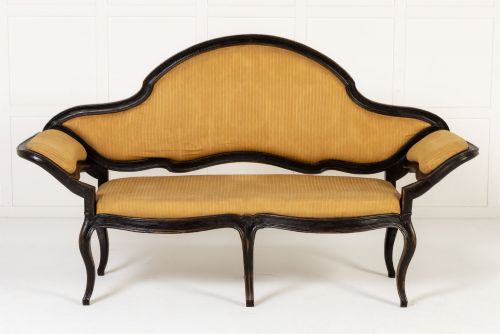
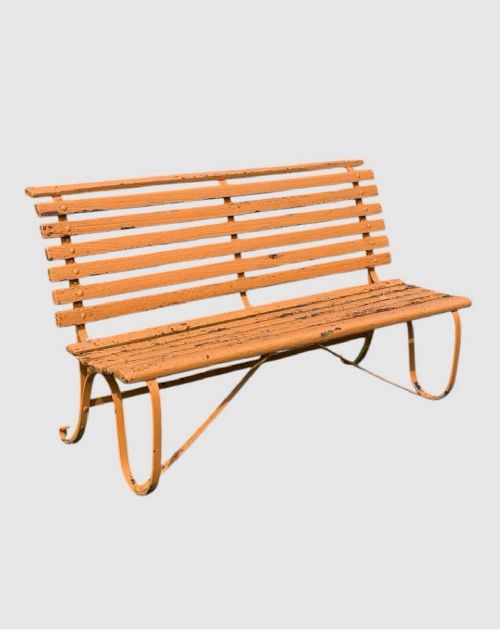


Yellow Bench
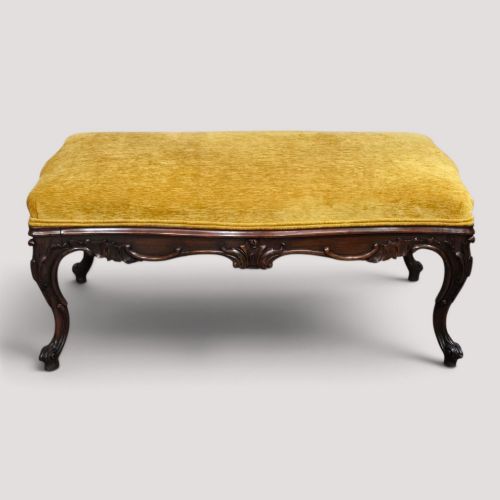
A yellow antique bench brings warmth and history to a room, offering functional seating fashioned from pine, fruitwood, and painted finishes.
Yellow Bench
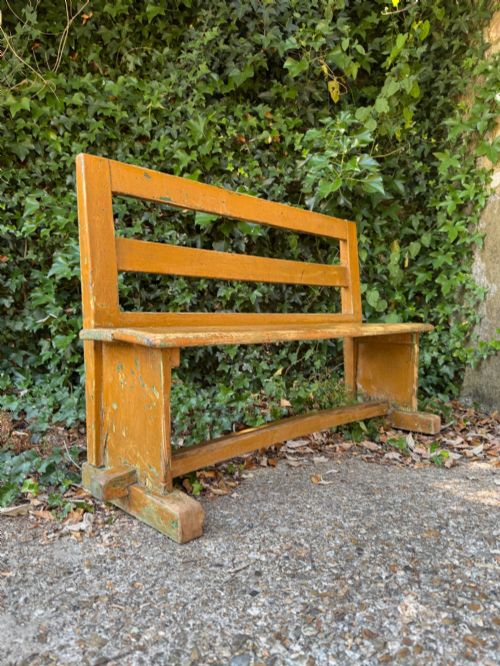
A yellow antique bench encompasses country seating, storage benches, and settle benches finished in original ochre or painted surfaces, echoing the primitive yellow bench found in archive records. These pieces emerge from periods spanning the eighteenth, nineteenth, and early twentieth centuries, reflecting rural European and British domestic traditions.
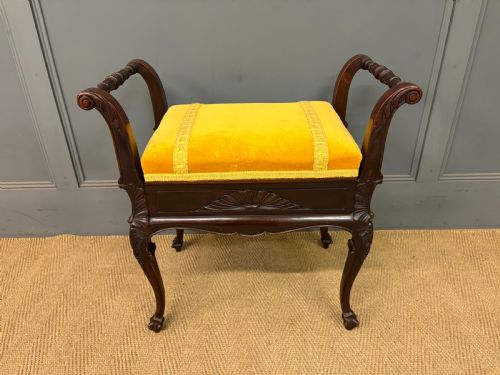
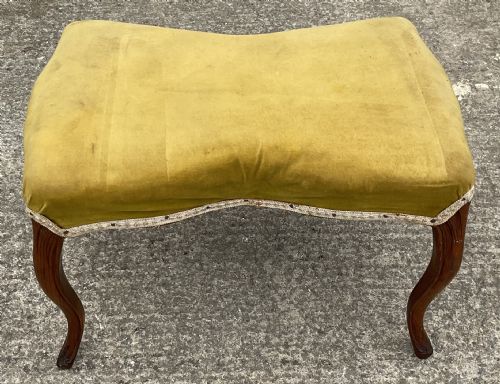
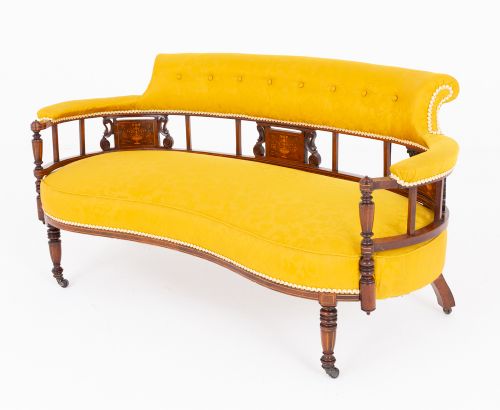
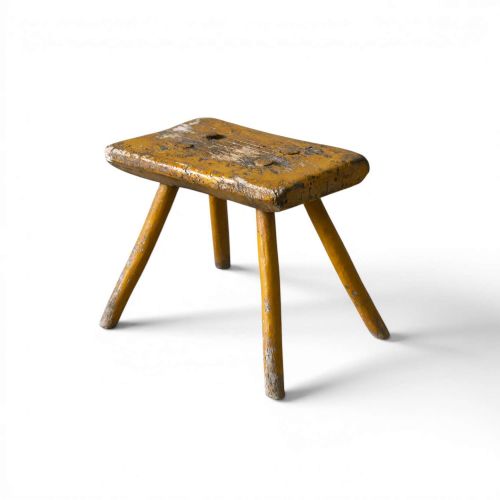
While the broader selection includes mahogany and rosewood settees, stools, and window seats, the yellow antique bench specifically points to rustic pine and fruitwood forms carrying historic paint. Buyers meet Hungarian and Welsh pine examples alongside Eastern European milking stools and storage benches.
The inventory demonstrates how utilitarian country furniture survives through robust construction and utilitarian purpose. These benches offer compact seating or hallway placement, distinguished by their surviving historic pigment rather than polished cabinet timbers.
How they were made
Makers constructed these benches primarily from domestic softwoods like pine, alongside fruitwoods and elm, joining boards with traditional pegging and dovetail joints. Carpenters built sturdy frames designed for daily utility in farmhouses, cottages, and chapels.
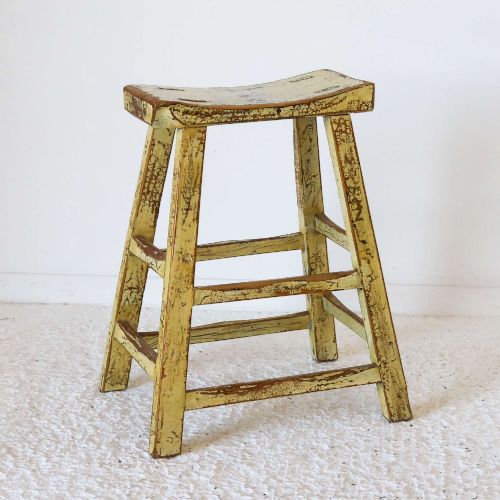
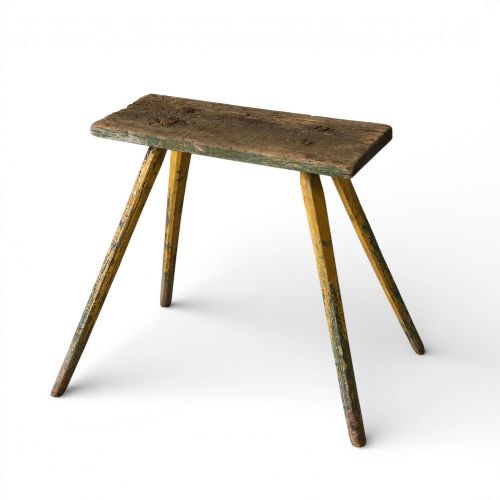
Surface treatment defines the yellow antique bench, featuring original layers of ochre, paint, or lacquered finishes applied over bare wood. Over decades, this paint thinned and wore organically, creating the patinated surfaces valued by collectors.
Listings feature pine, fruitwood, and elm constructed pieces decorated with original ochre and painted finishes dating from the eighteenth to the twentieth century.
What varies in quality
Quality in a yellow antique bench rests upon the survival of its original painted surface rather than applied decorative carvings. Examples retaining untouched ochre or mustard paint command greater interest than those stripped or repainted in modern times.
Proportion and structural integrity separate standard utility seating from finer vernacular pieces, particularly where original boarded backs, arm supports, and box bases remain intact without excessive timber replacement.
The Yellow Bench Glossary
- Settle
- A wooden wooden bench with high back and arms, often incorporating a box seat beneath for storage. These pieces sheltered sitters from drafts in traditional farmhouse kitchens.
- Ochre
- An earthy natural pigment ranging from yellow to deep brownish-yellow, commonly used on historic country furniture and painted pine benches.
- Vernacular
- Everyday architecture and furniture built by local craftsmen using regional materials and traditional methods, without high-style architectural pretensions.
- Patina
- The surface sheen and textural wear developed on wood and paint over centuries of handling, use, and exposure to light.
- Pine
- A soft timber extensively utilised in country furniture, benches, and settles for its availability and workability.
Yellow Bench: Frequently Asked Questions
How do I care for an old painted bench?
Keep painted wooden benches away from direct sunlight and dramatic humidity changes to protect fragile historic pigments. Clean surfaces gently with a dry or barely damp cloth, avoiding modern solvent-based polishes.
Wax can be applied sparingly to unpainted wooden sections, but consult a conservator before treating original aged paint layers.
Are these benches comfortable for daily use?
Country wooden benches and settles were built for utility rather than lounging, offering firm, upright seating. Adding loose cushions can improve comfort without altering the antique timber.
Upholstered window seats and settees on the page provide softer seating, whereas primitive pine benches function best in hallways and entryways.
How can I tell original paint from modern paint?
Original historic paint shows natural craquelure, fading, and wear patterns consistent with age and regular use. Modern repaint tends to sit uniformly on the surface with consistent gloss.
Examination under magnification often reveals dust embedded within old paint layers and clear transitions where timber movement has caused the finish to crack.
Where were these country benches originally used?
Pine benches and settles typically served in farmhouse kitchens, rural cottages, and institutional spaces such as chapels. Their robust construction suited communal areas where seating needed to withstand heavy daily wear.
Storage benches additionally provided practical utility for keeping blankets and household goods out of sight.