




Yellow Accent Armchair
A yellow accent armchair brings a striking flash of colour and period character to a room, offering both comfort and strong decorative presence.
Yellow Accent Armchair
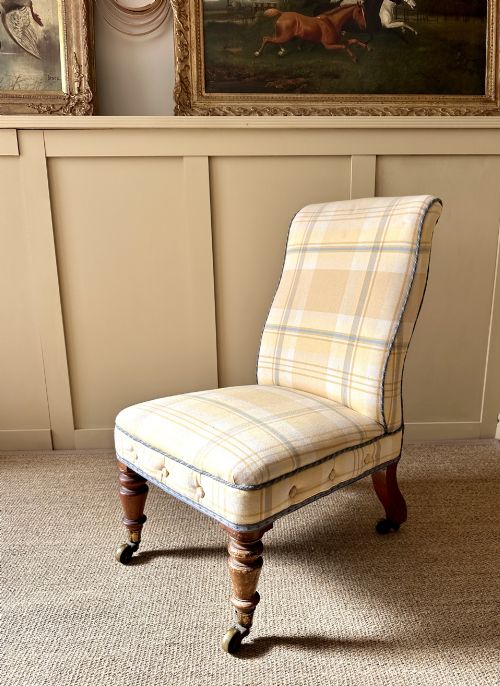
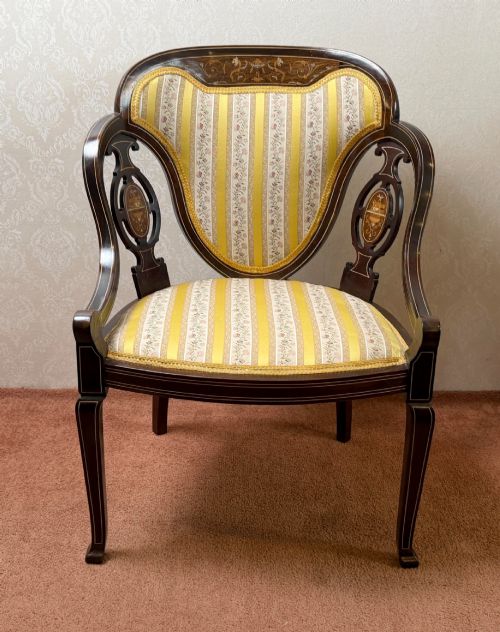
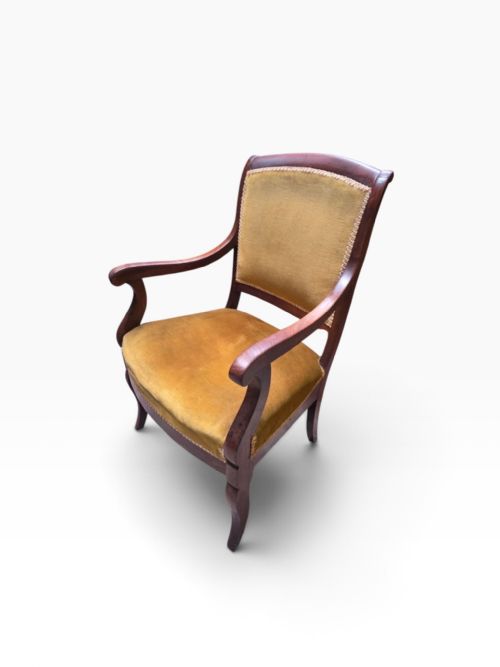
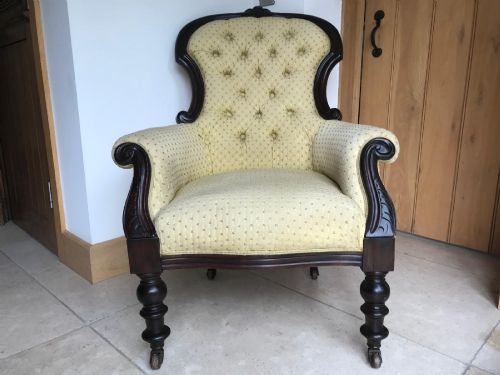
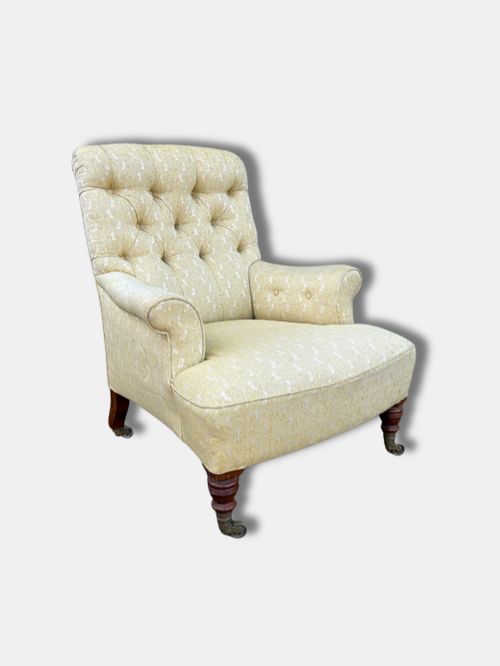
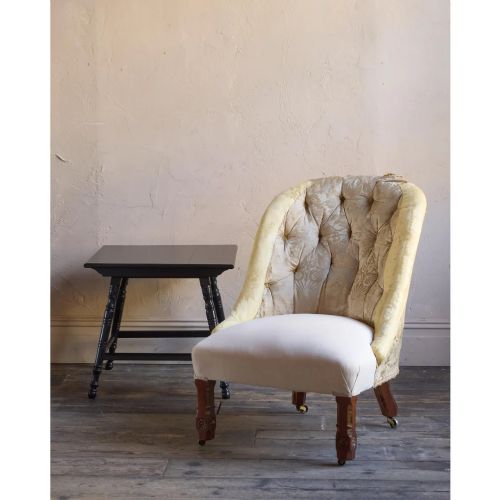
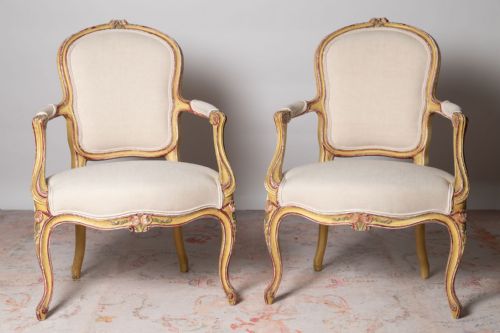
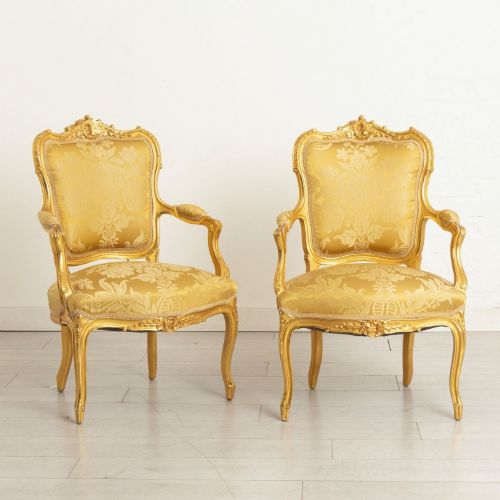
A yellow accent armchair encompasses a diverse group of seating spanning the eighteenth, nineteenth, and early twentieth centuries. These range from Victorian walnut spoon-back nursing chairs and Edwardian inlaid models to French fauteuils and robust mahogany carver chairs.
The pieces listed on this page lean heavily into period frames, including Victorian and Edwardian examples alongside French open armchairs and Georgian designs. They bridge the gap between practical seating and bold interior focal points.
Buyers will encounter various traditional forms, from low back upholstered lounge chairs and barrel backs to larger library armchairs. Each variant brings distinct historical woodwork paired with modern or period upholstery.
How they were made
Frames rely on traditional timbers such as mahogany, walnut, rosewood, and giltwood, frequently shaped through carving, turning, or inlay. These sturdy skeletons support the upholstered elements.
Upholstery techniques utilise textiles like velvet, damask fabric, silk, linen, and needlepoint panels. These fabrics are secured to frames constructed from woods like elm and birch.
Yellow Accent Armchair Retail Price Guide 2026
Typical asking prices for yellow accent armchair among the pieces listed under this phrase on Sellingantiques today, from the lower quarter to the upper quarter. They describe what is for sale here now, not the wider market.
Several chairs feature needlepoint panels that reveal the quiet, industrious hours spent by nineteenth-century makers stitching floral tapestries.
What varies in quality
The refinement of the timber carving and the integrity of the underlying wood frame dictate the baseline quality of an armchair. Finer pieces demonstrate crisp detail in mahogany, walnut, or giltwood components.
The standard of upholstery and the choice of textile, whether silk, velvet, or intricate needlepoint tapestry, significantly influence the character and execution of the piece. Superior examples maintain balanced proportions and harmonious integration between frame and fabric.
Howard and Sons
The Yellow Accent Armchair Glossary
- Fauteuil
- An open-framed upholstered armchair originating in France, typically featuring exposed wood and padded armrests.
- Carver chair
- An armchair designed with arms, often matching a set of smaller dining or side chairs.
- Spoon back
- A padded chair back shaped like the bowl of a spoon, popular during the Victorian period to fit the human spine.
- Needlepoint
- A type of canvas work embroidery utilised historically for decorative chair panels and upholstery.
- Wingback armchair
- A seat featuring projecting side panels designed originally to shield the sitter from draughts.
Yellow Accent Armchair: Frequently Asked Questions
How do I choose the right period chair?
Consider the architectural style of your room alongside the timber tones of existing furniture. Victorian and Edwardian pieces offer contrasting profiles that suit various interior schemes.
Examine the proportions of the chair to ensure it fits the intended space without overwhelming smaller seating areas.
Were these chairs used in bedrooms or parlours?
Period seating served multiple domestic functions, from formal library and parlour use to private bedroom settings. Nursing chairs specifically accommodated lower seating requirements for domestic tasks.
Library armchairs provided sturdier, more substantial seating for reading rooms and studies.
How do I care for upholstered antique chairs?
Protect delicate textiles such as silk, velvet, and needlepoint by keeping them away from direct sunlight to prevent colour fading. Regular gentle vacuuming with a soft brush attachment removes surface dust.
Treat wooden frames occasionally with appropriate furniture wax to preserve the finish of mahogany, walnut, or rosewood.
What defines an Edwardian armchair?
Edwardian seating often displays lighter proportions, delicate inlay work, and refined upholstery compared to heavier Victorian styles. These chairs frequently incorporate mahogany or satinwood.
They reflect a shift toward more comfortable, approachable domestic furniture at the turn of the twentieth century.