



X Frame Window Seat
An x frame window seat provides low seating beneath a casement, taking distinct form from Georgian, Regency, Victorian, and Edwardian periods.
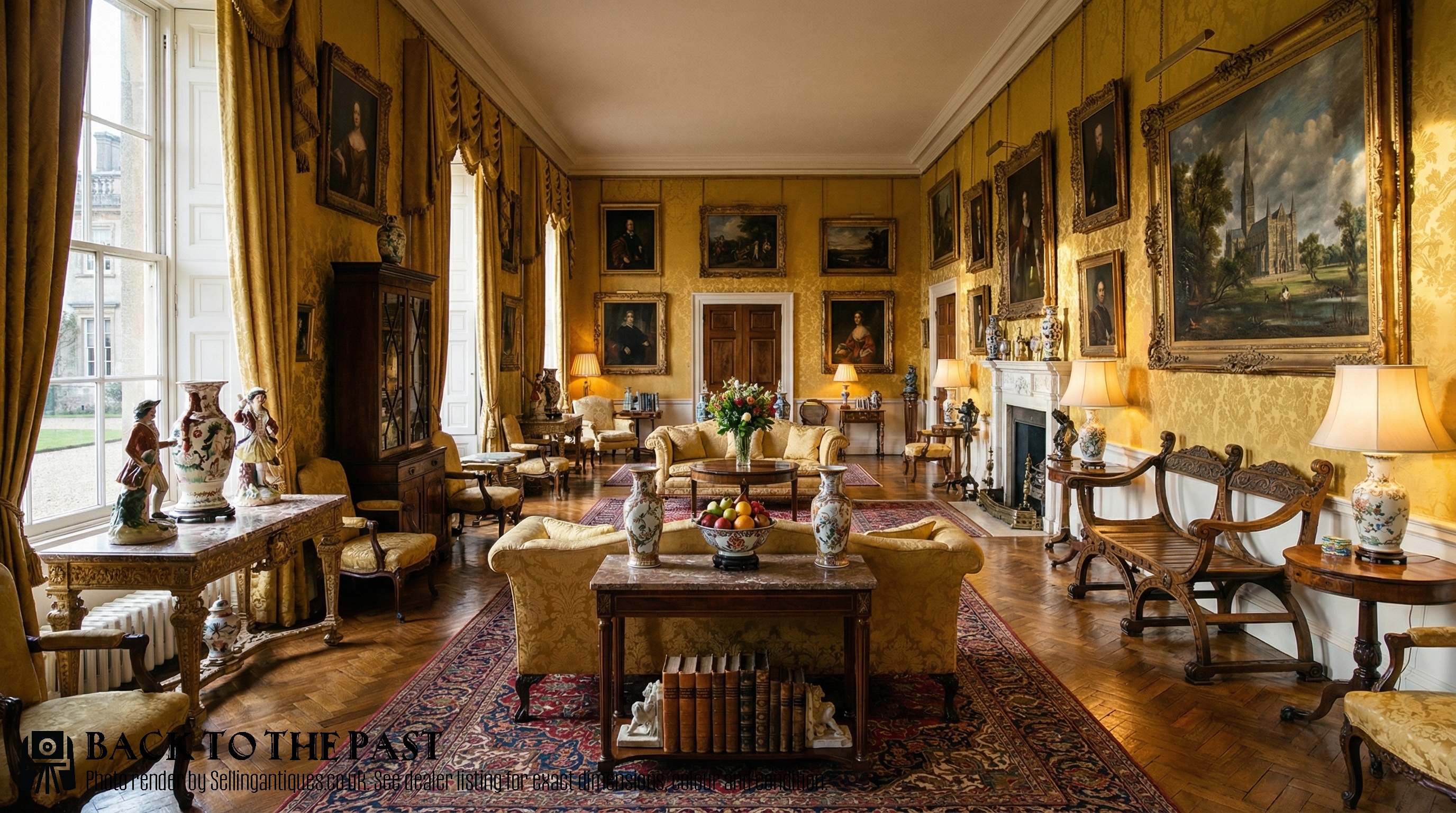
X Frame Window Seat
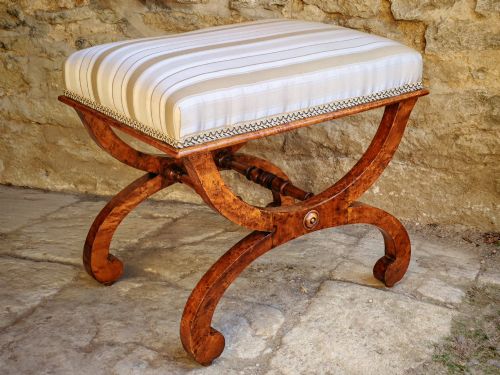
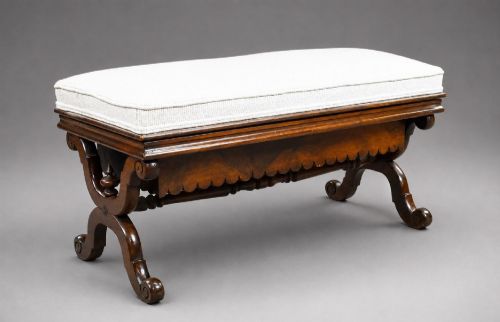
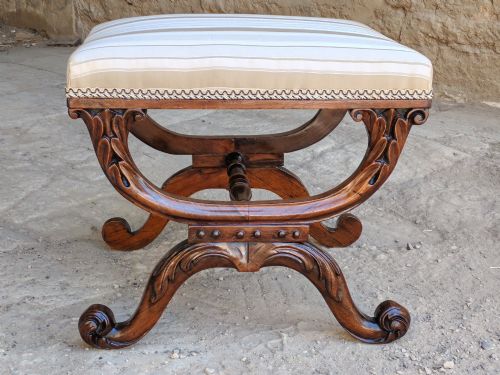
An x frame window seat is a low form of seating designed to sit beneath a casement, appearing in periods from Georgian and Regency through to Victorian and Edwardian. These pieces cross paths with stools, benches, and dressing seats, taking structural cues from classical forms.
The most common examples on this page are mahogany, walnut, and giltwood frames holding upholstered pads, needlework, leather, or kilim textiles. They span compact single stools up to longer benches intended for wider bays.
Materials and construction
Frames rely on timbers such as mahogany, walnut, satinwood, rosewood, and oak, alongside gilded gesso and ebonised wood. Joinery supports the crossing stretcher arrangement that defines the cross-frame silhouette.
Upholstery uses traditional stuffing methods covered in fabrics, leather, beadwork, or cane work. Carved details, brass mounts, and fluted legs finish the timber elements.
X Frame Window Seat Retail Price Guide 2026
Typical asking prices for x frame window seat among the pieces listed under this phrase on Sellingantiques today, from the lower quarter to the upper quarter. They describe what is for sale here now, not the wider market.
Upholstery materials recorded across the inventory include leather, needlework, beadwork, kilim, damask, and woven cane.
What separates the grades
Quality rests in the crispness of the timber carving and the integrity of the intersecting cross-stretcher joints. Substantial hardwoods show tighter grain and heavier mass than later softwood alternatives.
Upholstery treatment and secondary materials such as giltwood, gesso, or burr maple distinguish standard domestic seating from grander salon examples.
The X Frame Window Seat Glossary
- Curule stool
- An ancient form of folding seat with crossed legs, which inspired later neoclassical x frame designs. Romans used them as magistrate seating.
- X frame
- A cross-legged structural design forming an X shape when viewed from the side. This geometry supports the seat while distributing weight evenly to the floor.
- Giltwood
- Timber coated with a thin layer of gold leaf over a prepared gesso ground. It appears on decorative neoclassical and Regency examples.
- Kilim
- A flat-woven textile originating from the Middle East and Central Asia. These rugs and carpets frequently appear repurposed as durable upholstery on nineteenth-century stools.
- Cane
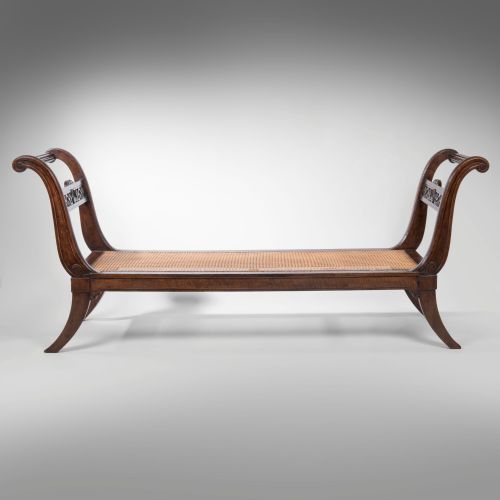
- Strips of woven rattan used to form breathable seat panels. This material appears on light frames from the Edwardian era.
X Frame Window Seat: Frequently Asked Questions
Where do you put an x frame window seat?
These low seats fit naturally beneath low sills in bay windows or alongside hallway walls where tall furniture obstructs light.
They also serve as dressing table stools or extra seats in a drawing room without blocking views.
How do you date an x frame stool?
Dating relies on timber choice, carving style, and upholstery methods combined. Regency and Georgian pieces display classical neoclassical lines, while Victorian examples often feature heavier walnut or rosewood.
Edwardian items tend to use lighter satinwood or mahogany with simpler turnings or inlay.
Are these seats comfortable to sit on?
Comfort depends on the firmness of the traditional horsehair or modern stuffing beneath the top cover. Many historical examples provide a firm perch rather than deep lounging support.
Textiles range from smooth leather and flat tapestry to woven kilim and beaded needlework.
What is the difference between a window seat and a stool?
The terms overlap frequently in historical inventories, though window seats often stretch wider to accommodate more than one person. Dressing stools tend to be square or compact for vanity use.
Both share the low profile characteristic of nineteenth-century seating.