


Antique Hall Stool
An antique hall stool offers a purposeful seat for an entranceway, bringing practical timber craft and period presence to a threshold.
Antique Hall Stool
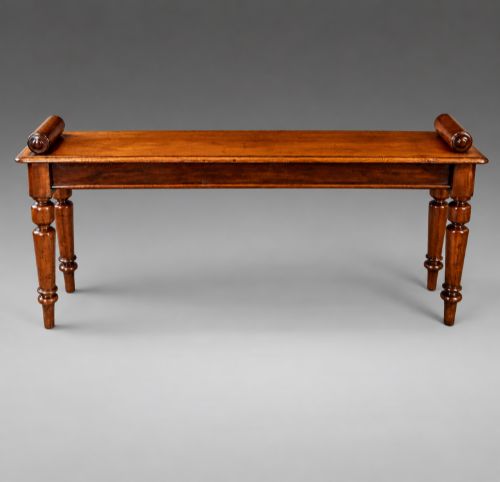
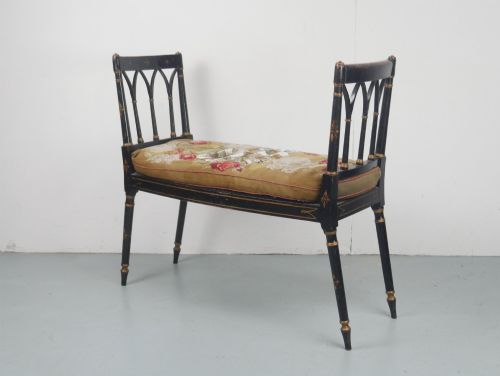
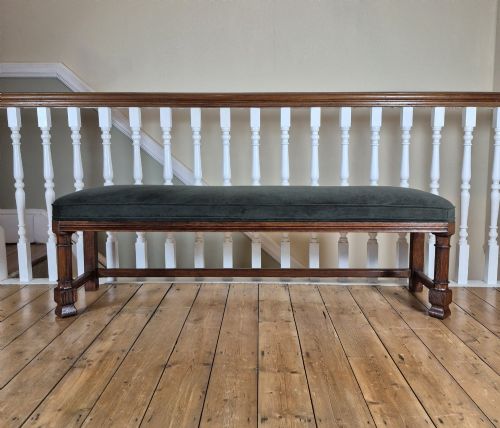
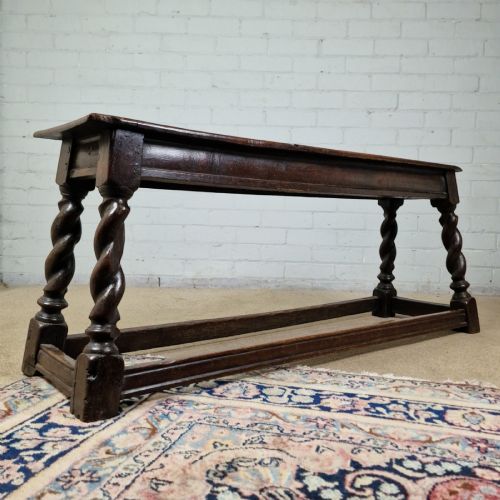
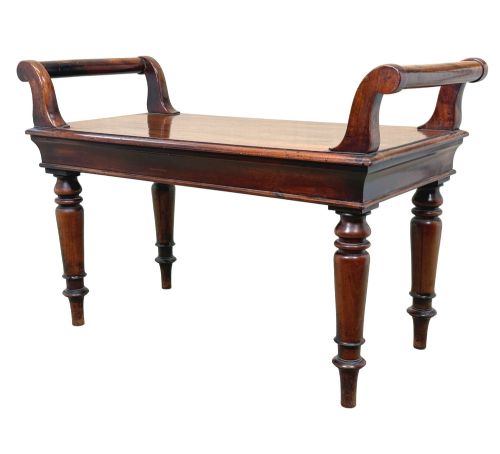
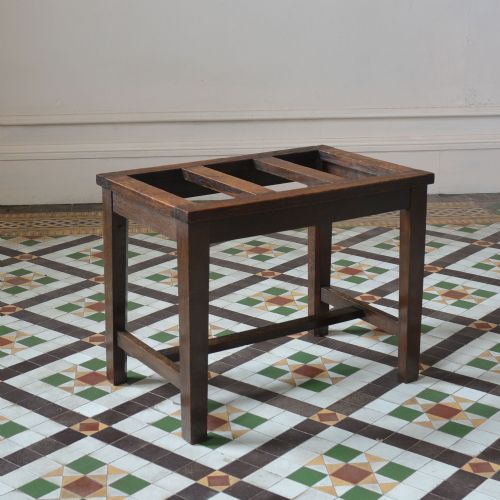
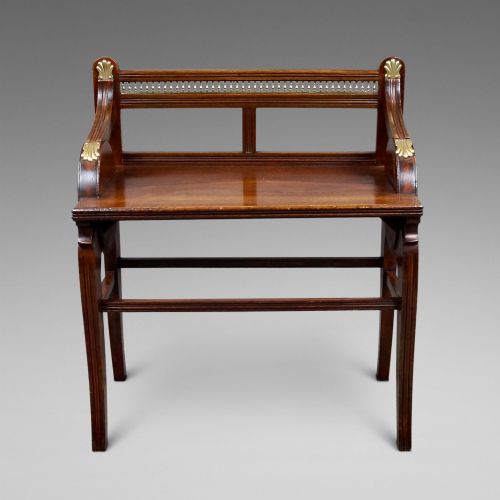
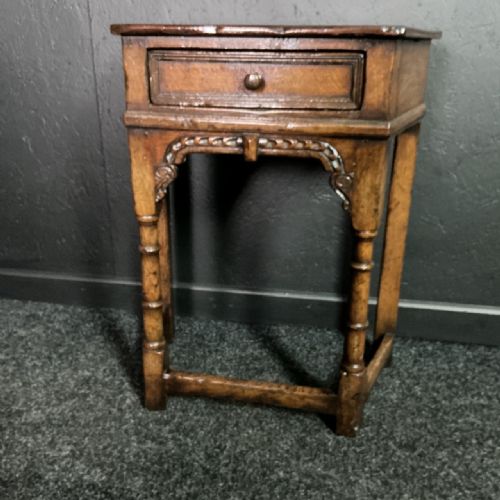
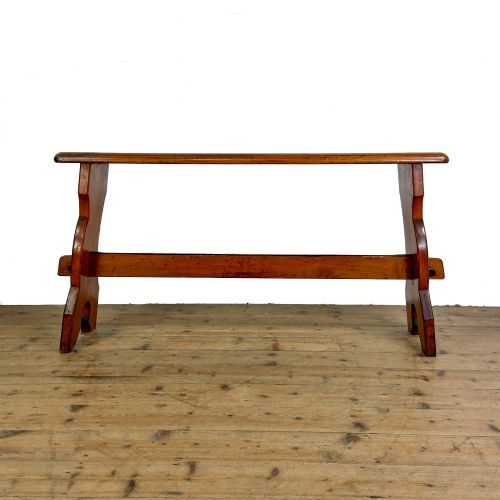
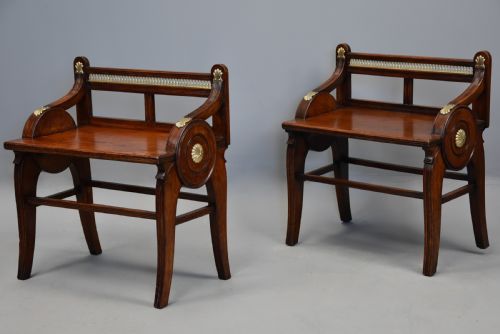
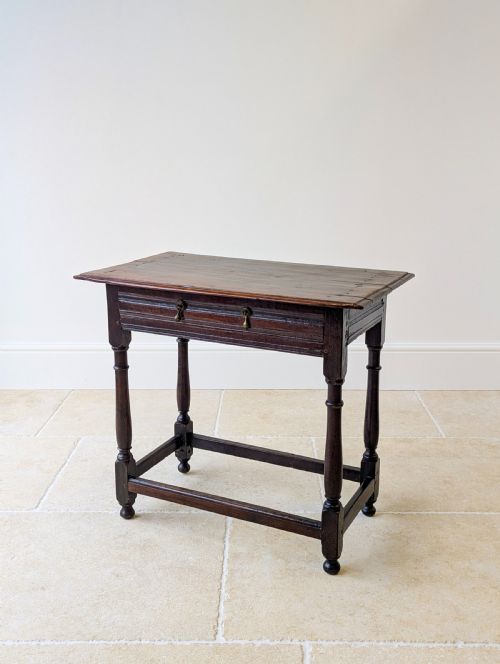
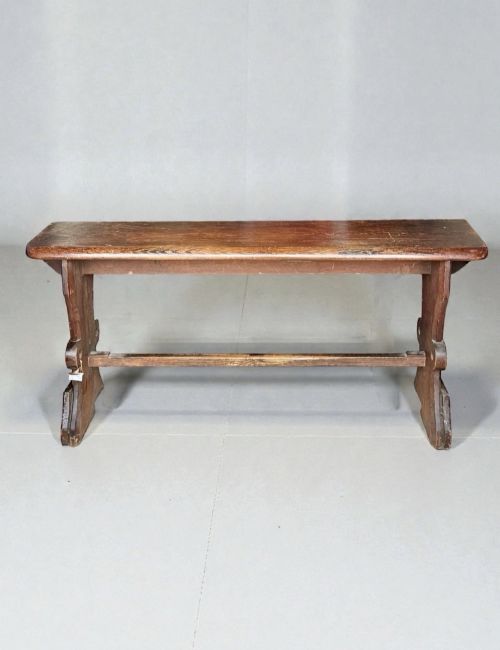
When searching for an antique hall stool, buyers encounter a diverse selection of long benches, window seats, and compact occasional seats designed for corridors and entranceways. These pieces span from seventeenth-century joined oak examples to nineteenth-century Gothic revival and Edwardian variations.
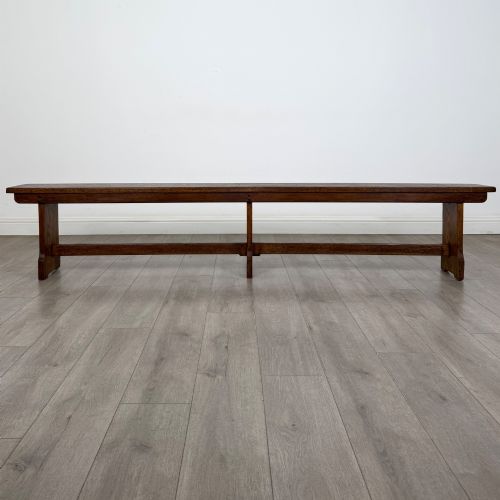
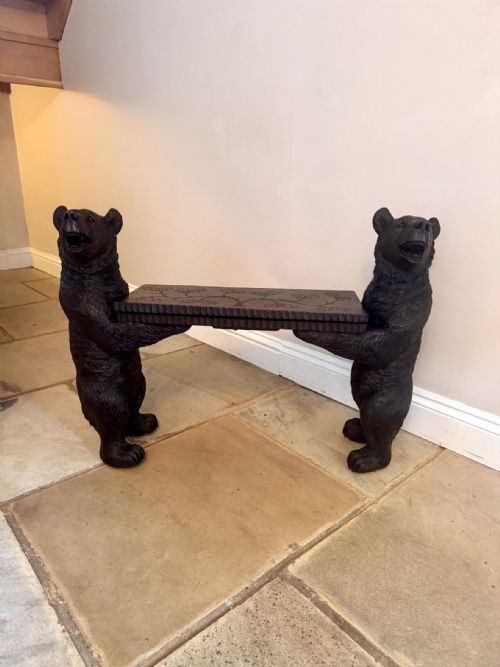
Originating largely from English country houses, civic settings, and period townhouses, these seating forms were built to withstand heavy traffic in transitional spaces. Buyers regularly find substantial oak tavern benches alongside refined walnut or ebonised pieces bearing regional carved details.
Materials and construction methods
Makers relied primarily on native hardwoods such as oak, mahogany, and walnut, frequently combining solid timber boards with turned or fluted legs. Joinery methods include traditional pegged mortise and tenon joints on earlier pieces, shifting to sophisticated frame construction in later Victorian and Edwardian workshops.
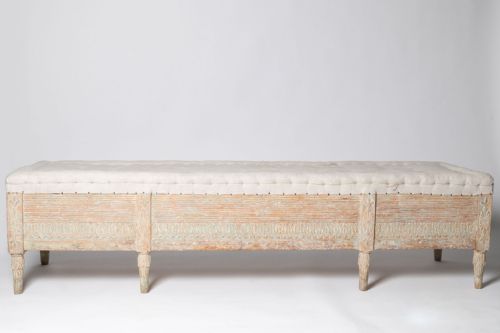
Surface embellishments recorded in the evidence incorporate hand-carved motifs, brass mounts, and ebonised finishes, reflecting movements from Gothic revival to the Aesthetic style. Upholstered variants utilise internal webbing and stuffing finished with durable textiles, linen, or leather fixed with brass tacks.
Antique Hall Stool Retail Price Guide 2026
Typical asking prices for hall stool among the pieces listed under this phrase on Sellingantiques today, from the lower quarter to the upper quarter. They describe what is for sale here now, not the wider market.
Distinguishing quality in construction
Quality rests upon the integrity of the timber framing and the crispness of any hand-carved enrichment, distinguishing standard utility furniture from pieces produced by notable cabinet makers. Substantial weight, tight joinery, and the use of dense heartwood indicate superior workshop standards.
Proportion and restrained ornamentation dictate the standing of a piece, where balanced turning on legs and well-figured grain enhance the architectural character. Integrity of surface finish, whether patinated polished oak or original paint on pine, preserves the historical depth of the object.
James Shoolbred & Co.
The Antique Hall Stool Glossary
- Joint stool
- A low wooden seat constructed with pegged mortise and tenon joinery rather than turned legs. These sturdy seventeenth-century forms served multiple domestic purposes before dedicated hall seating evolved.
- X-frame
- A structural furniture base formed by intersecting diagonal timbers resembling the letter X. This classical support appears frequently on Regency and Edwardian window seats and folding luggage racks.
- Gothic Revival
- A nineteenth-century design movement drawing inspiration from medieval architecture. Pieces in this style display pointed arches, trefoils, and heavy carved tracery.
- Ebonised wood
- Timber treated with chemical stains or dark lacquer to imitate expensive ebony. This finish gained popularity during the Victorian and Aesthetic periods for decorative contrast.
- Window seat
- A long, narrow bench designed specifically to fit into the structural recess of a bay or sash window. They frequently double as hall seating due to their compact depth.
Antique Hall Stool: Frequently Asked Questions
Where were hall stools originally placed?
These pieces sat in entrance halls, corridors, and transitional spaces of large houses where visitors waited or residents removed outerwear.
Their narrow profile allowed them to stand against walls without obstructing the thoroughfare of a busy household.
How do I identify a Georgian hall seat?
Georgian examples often display restrained classical proportions, straight or cabriole legs, and mahogany or oak framing without excessive ornamentation.
Look for structural simplicity and dry patination on the underside of the timber boards.
Can these benches be used daily?
Solid hardwood construction and traditional joinery make these pieces exceptionally durable for modern domestic use in hallways or at the foot of a bed.
Regular maintenance of the timber surface and occasional reupholstery will keep the structure sound for daily sitting.
What is the difference between a bench and a window seat?
Benches generally feature straight backs or simple flat plank tops intended for upright sitting in corridors or public rooms.
Window seats typically incorporate low arms or curved ends designed to align with window sills and provide comfortable lounging.