


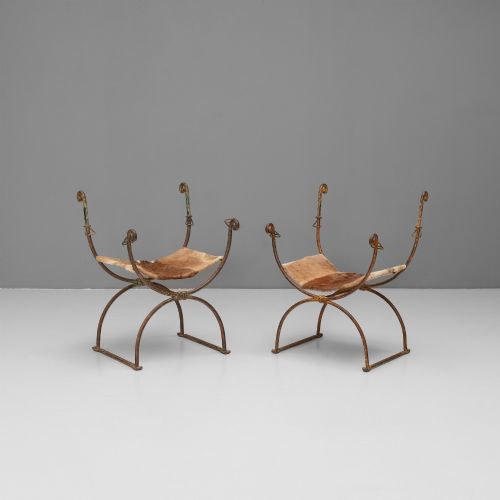


X Frame Leather Stool
An x frame leather stool brings architectural line and patinated hide together, offering a functional seat with centuries of design pedigree.
X Frame Leather Stool
An x frame leather stool combines a distinctive folding-chair silhouette with a taut hide top, serving as a versatile seat or footrest in a room. When you search for this phrase, you find pieces rooted in traditional forms like the curule seat, adapted across several historical periods.
The versions most common on this page date from the nineteenth century through the early twentieth century, spanning Victorian, Edwardian, and revivalist aesthetics. Makers utilised sturdy timbers to support the characteristic intersecting legs, creating a robust framework for daily use.
These stools appear in various timber varieties including mahogany and walnut, paired with buttoned red, burgundy, or tan leather upholstery. Alongside dedicated footstools and ottomans, related forms such as dressing stools and long benches provide similar seating utility.
How they were made
Craftsmen built the structural frames using dense hardwoods like mahogany and walnut, shaped with precision to form the signature intersecting stretcher supports. Artisans often incorporated decorative carving or fluted leg details, reflecting prevailing revival styles of the period.
Upholstery work involved stretching durable cowhide or tan leather over the wooden base, frequently secured with deep buttoning techniques that added texture and structural tension. Brass hardware occasionally appeared as structural reinforcement or decorative stud work.
X Frame Leather Stool Retail Price Guide 2026
Typical asking prices for x frame leather stool among the pieces listed under this phrase on Sellingantiques today, from the lower quarter to the upper quarter. They describe what is for sale here now, not the wider market.
Early makers designed certain folding variants so nobility could carry their favourite seats from room to room without losing dignity.
What varies in quality
The caliber of an x frame leather stool depends heavily on the rigidity of the timber joinery at the intersection points, which bears the primary weight of the sitter. Superior examples demonstrate tight joints and substantial timber scantlings that prevent wobble.
The grade of the leather and the execution of the buttoning also dictate value, with hand-dyed hides and precise pleating separating standard utility pieces from exceptional workshop output. Proportion and timber figure elevate certain mahogany and walnut iterations above plain regional pieces.
The X Frame Leather Stool Glossary
- X Frame
- A furniture support structure formed by two intersecting diagonal members resembling the letter X, historically derived from ancient folding seats. This configuration distributes weight evenly while providing a striking architectural silhouette.
- Buttoned
- An upholstery technique where twine pulls the leather surface deep into the padding at regular intervals, secured with buttons. This creates geometric indentations that hold the filling firmly in place over decades of use.
- Hide
- The natural skin of cattle, dressed and finished for heavy upholstery work. High-grade hide develops a rich patina as it ages through exposure to light and handling.
- Revival Style
- A design movement that reinterprets historical aesthetics from earlier centuries, such as Georgian, Regency, or Renaissance periods. Makers during the Victorian era frequently drew upon these older vocabularies to create ornate seating.
- Fluted
- A decorative woodturning feature consisting of shallow, parallel vertical grooves cut into a leg or column. This classical detail adds vertical emphasis and visual refinement to furniture frames.
X Frame Leather Stool: Frequently Asked Questions
What is an x frame stool?
An x frame stool is a portable or stationary seat featuring intersecting diagonal legs that support a top upholstered in leather or hide. The design offers both structural strength and a distinct classical aesthetic.
These pieces function effectively as standalone footstools, dressing seats, or low benches in traditional and eclectic interiors alike.
How do I date an antique stool?
Dating relies on observing timber choices, upholstery methods, and stylistic cues present in the frame construction. Pieces from the nineteenth century often exhibit dense mahogany or walnut alongside hand-applied buttoning.
Comparing the turned details and revival motifs against documented periods helps narrow down the decade of manufacture.
Where should I place a leather stool?
A leather stool suits living rooms as a movable footrest or extra seating near a fireplace. Its compact footprint also makes it practical at the foot of a bed or beneath a dressing table.
The combination of wood and hide allows the piece to integrate easily with various seating arrangements.
How do I maintain antique leather?
Maintaining antique leather involves keeping the hide nourished with appropriate balms and protecting it from direct sunlight and heat sources. Gentle dusting preserves the surface finish without stripping the natural patina.
Avoiding harsh chemical cleaners ensures the leather remains supple and retains its historical character over time.