



Wrought Iron Wall Lights
These wrought iron wall lights are robust fixtures built from hammered metal, bringing solid character and historical weight to interior spaces.
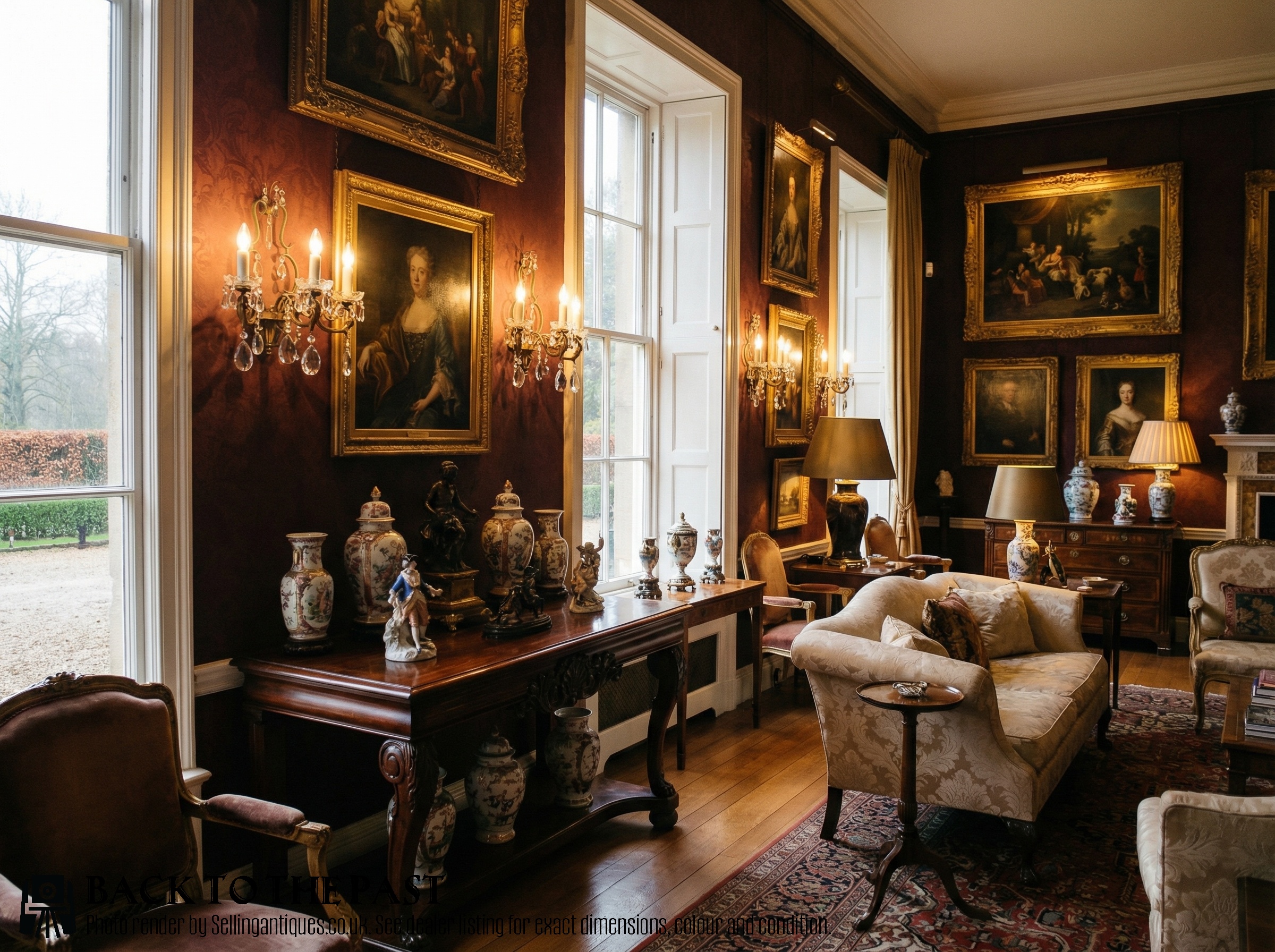
Wrought Iron Wall Lights
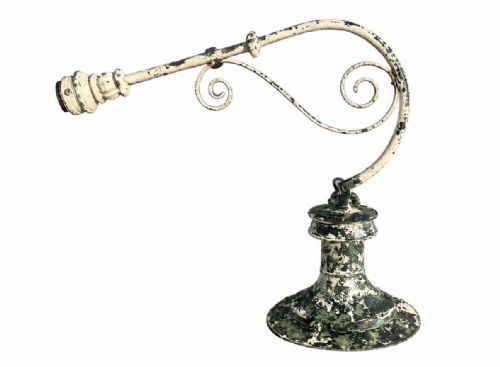
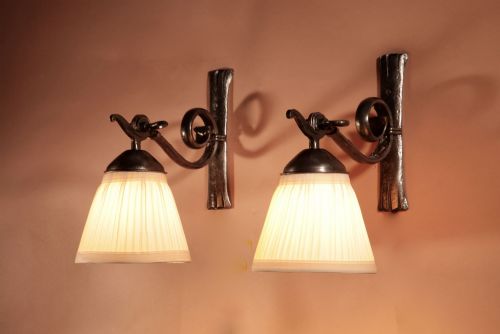
Wrought iron wall lights span sturdy nineteenth-century architectural fittings and decorative twentieth-century lighting. You will frequently encounter pairs from French chateau or arts and crafts origins, designed to mount directly onto masonry or wood paneling.
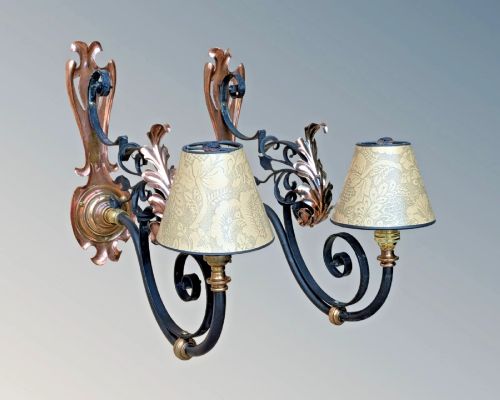
The selection ranges from simple single-arm brackets to large multi-arm lanterns and converted oil lamps. Early examples often incorporate brass or copper details alongside the primary iron structure, reflecting utilitarian beginnings or gothic revival tastes.
How they were made
Blacksmiths shaped wrought iron while heated in a forge, hammering the metal to achieve durable brackets and scrolling arms. Rivets, twists, and welded joints hold the structural elements together before finishing with protective paint or natural wax.
Many fixtures integrate glass components such as frosted panels, lanterns, or shades to diffuse the light source. Copper and brass accents appear regularly, riveted or soldered onto the iron body to provide textural contrast.
Wrought Iron Wall Lights Retail Price Guide 2026
Typical asking prices for wrought iron wall lights among the pieces listed under this phrase on Sellingantiques today, from the lower quarter to the upper quarter. They describe what is for sale here now, not the wider market.
Some resilient wall lights began life burning oil in Victorian parlours before receiving a modern electrical conversion.
What varies in quality
The distinction lies in the hand-forged detail of the ironwork and the coherence of the design. Heavy, well-balanced arms with crisp hammering show superior craftsmanship compared to simpler cast alternatives.
Original components such as period glass shades and authentic backplates elevate a piece significantly. Altered wiring and replaced fixings are common, but the integrity of the original metalwork dictates the overall standard.
REVO Leicester
The Wrought Iron Wall Lights Glossary
- Wrought iron
- A tough, malleable form of iron containing embedded slag fibres, traditionally shaped by hand on an anvil. This material resists snapping under tension and accepts intricate forging.
- Wall sconce
- A decorative bracket fixed to a wall to hold one or more lamps or candles. These units project outward to cast illumination across a room.
- Gothic revival
- An architectural and decorative style drawing inspiration from medieval forms. Pieces often feature pointed arches, heavy scrollwork, and ecclesiastical motifs.
- Arts and crafts
- A design movement valuing traditional craftsmanship and honest materials. Items from this tradition emphasise visible construction and utility over excessive ornament.
Wrought Iron Wall Lights: Frequently Asked Questions
How do I install heavy wall lights safely?
Heavy iron fixtures require secure anchorage into solid masonry or substantial wooden wall studs. Use heavy-duty fixings that can support the considerable weight of the metal and glass components.
Consult a qualified electrician to ensure the internal wiring meets current safety standards, particularly when adapting older or converted light fittings.
Can these lights be used outdoors?
Certain designs, such as enclosed wall lanterns, were built for exterior use and withstand weather exposure. Check the construction materials and finishes to determine if a piece is suitable for outside installation.
Indoor sconces lack weatherproof seals and will rust or degrade if subjected to rain and damp conditions.
How do I clean wrought iron safely?
Dust the metal regularly with a soft, dry cloth to prevent grime accumulation. Avoid harsh chemical cleaners that can strip protective wax or historical finishes from the iron surface.
If the metal shows dry patches, apply a microcrystalline wax sparingly and buff gently with a clean cloth to preserve the finish.
How do I date an iron wall light?
Examine the construction methods, tool marks, and mounting hardware for clues to the period of manufacture. Hand-hammered surfaces and traditional joinery often indicate earlier nineteenth-century or arts and crafts origins.
Stylistic cues such as gothic motifs or french chateau proportions help narrow down the decade when combined with material analysis.