


Wrought Iron Single Bedstead
A wrought iron single bedstead brings enduring linear strength and period character to a bedroom.
Wrought Iron Single Bedstead
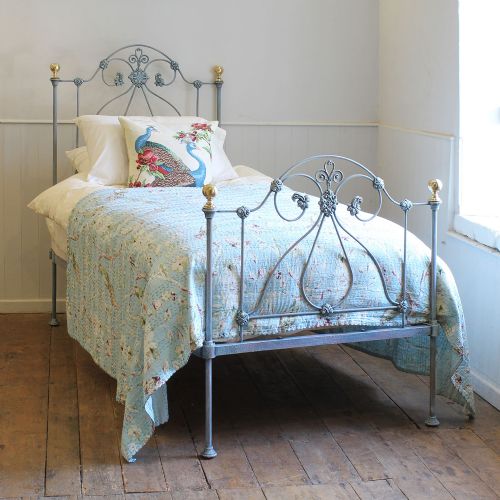
A wrought iron single bedstead typically measures three feet in width, providing a compact footprint suited to smaller chambers or guest rooms. The selection includes examples from the Victorian era alongside pieces dated across the late nineteenth and early twentieth centuries.
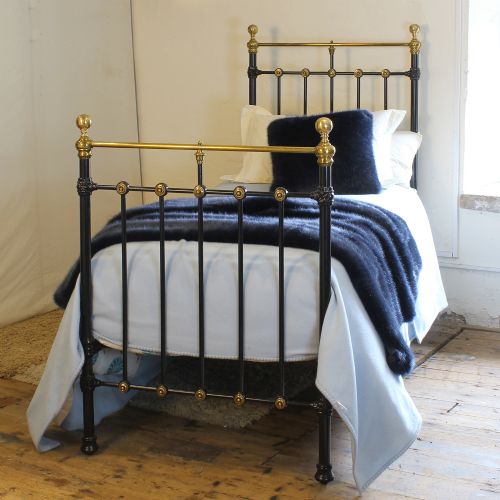
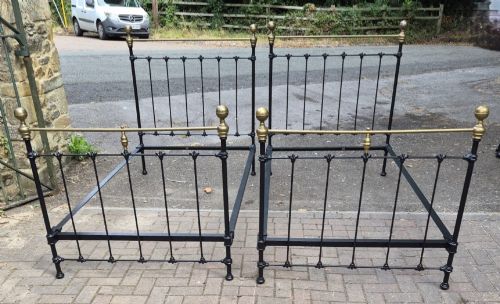
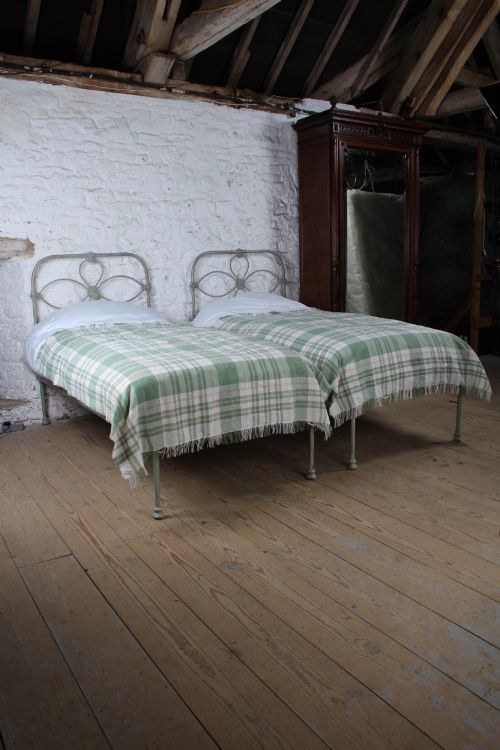
Many items survive as matching pairs that can be joined together to form a larger sleeping platform, while others appear as individual frames. Design variations range from plain rustic structures to frames incorporating brass details or scrolled ends.
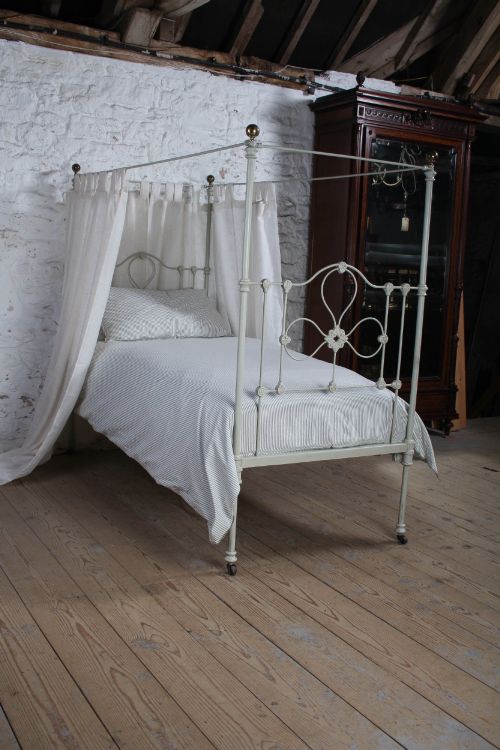
Origin points span English, French, and Portuguese workshops, encompassing both standard single configurations and four poster formats. Common stylistic descriptions include French country, rustic European, and classic Victorian aesthetics.
Materials and construction methods
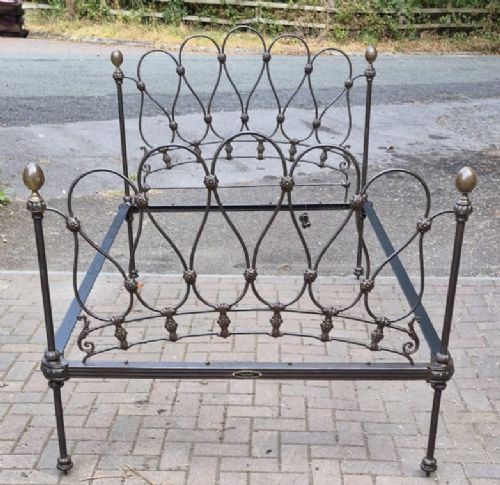
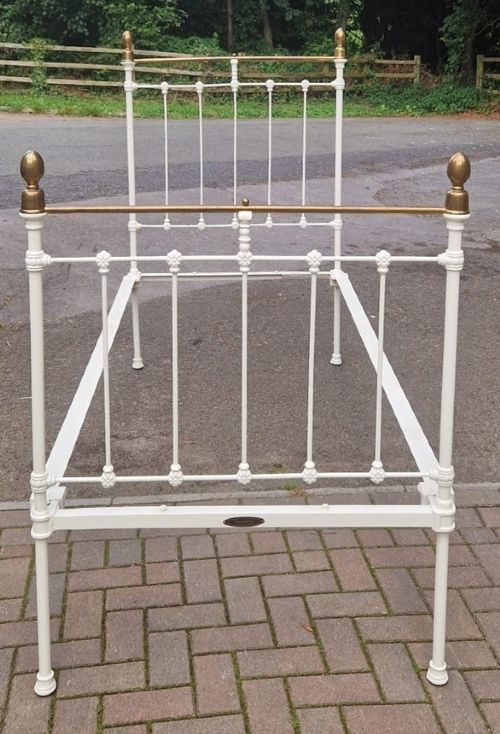
Construction relies primarily on robust combinations of wrought iron and cast iron, frequently augmented with polished brass finials and mounts. Metal components are shaped through hand forging, joining structural iron rails with decorative castings.
Surfaces are traditionally finished with painted coatings, appearing in diverse colours such as black, cream, white, and blue verdigris. Paint layers have often weathered over decades to display a patinated texture.
Some iron beds are so stubbornly charming they refuse to sleep alone, waiting patiently for a twin to join forces with.
Distinctions in craftsmanship and design
Quality in a wrought iron single bedstead is evident in the crispness of the ironwork and the balance of decorative elements like brass mountings and scrolled finials. Superior examples display careful hand forging and harmonious proportions rather than purely utilitarian assembly.
The integrity of original joints, the presence of matching pairs, and the survival of authentic painted finishes elevate certain pieces above standard production models.
The Wrought Iron Single Bedstead Glossary
- Verdigris
- A green or blue patina formed on copper, brass, or allied metals through natural oxidation. This finish appears on specific period frames to impart an aged surface texture.
- Platform bed
- A bed base designed to support a mattress directly upon a rigid deck or frame without requiring traditional box springs. Several listed examples utilise this configuration.
- No end bed
- A bedstead constructed without a high footboard, presenting a clean profile that suits modern interiors. This style often facilitates joining two single frames together.
- Four poster
- A bed featuring four vertical columns rising from the corners to support an upper structure. This form creates a distinct vertical presence within the room.
- Cast iron
- Iron that has been poured into a mould in a molten state to create ornamental components and structural joints. It frequently complements hand-forged wrought iron elements.
Wrought Iron Single Bedstead: Frequently Asked Questions
Can single iron beds be joined together?
Many period single frames are designed with compatible dimensions or matching pairs so they can be placed side by side to form a larger bed.
Buyers should inspect the side rails and foot configurations to confirm how securely two individual frames might link.
What mattress size fits an antique iron bed?
Standard single antique iron beds commonly measure three feet in width, accommodating modern single mattresses of equivalent breadth.
Length can occasionally vary from contemporary standards, so measuring the internal frame dimensions before sourcing a mattress is recommended.
How do I care for a painted iron bedstead?
Painted metal surfaces require gentle dusting with a dry or slightly damp cloth to preserve the original finish without abrasion.
Avoiding harsh chemical cleaners protects vulnerable patinas and historical paint layers from unnecessary wear.
How can I date a wrought iron bed?
Dating relies on stylistic clues, construction methods, and documented periods ranging from early Victorian eras through to the early twentieth century.
Details such as brass mountings, hand-forged scrollwork, and the form of the iron castings help distinguish earlier Victorian pieces from later examples.