


Wrought Iron Porch Light
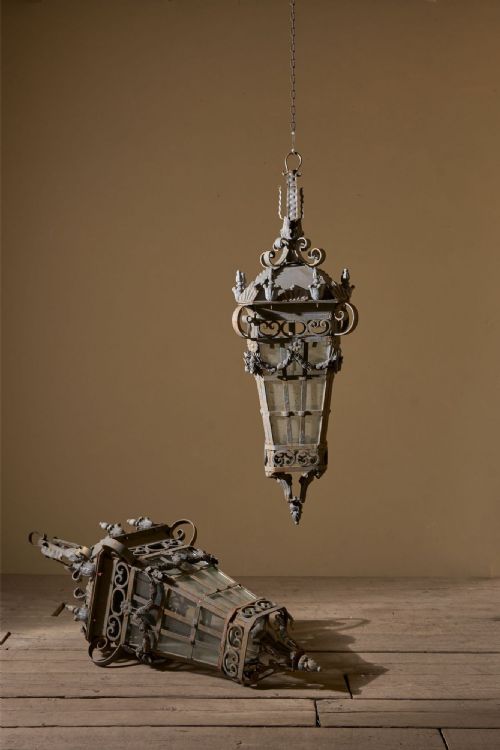
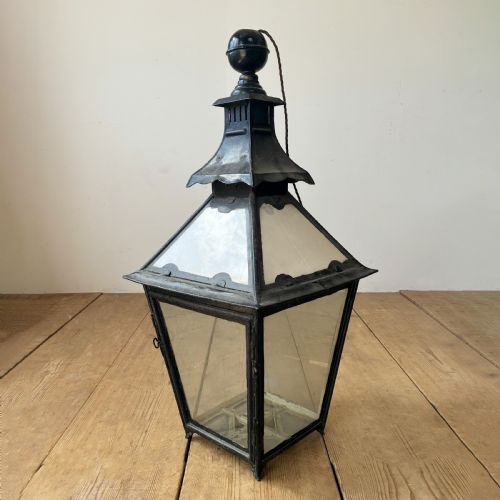
A wrought iron porch light brings heavy metalwork and glass to an entrance, offering robust exterior illumination with period character.
Wrought Iron Porch Light
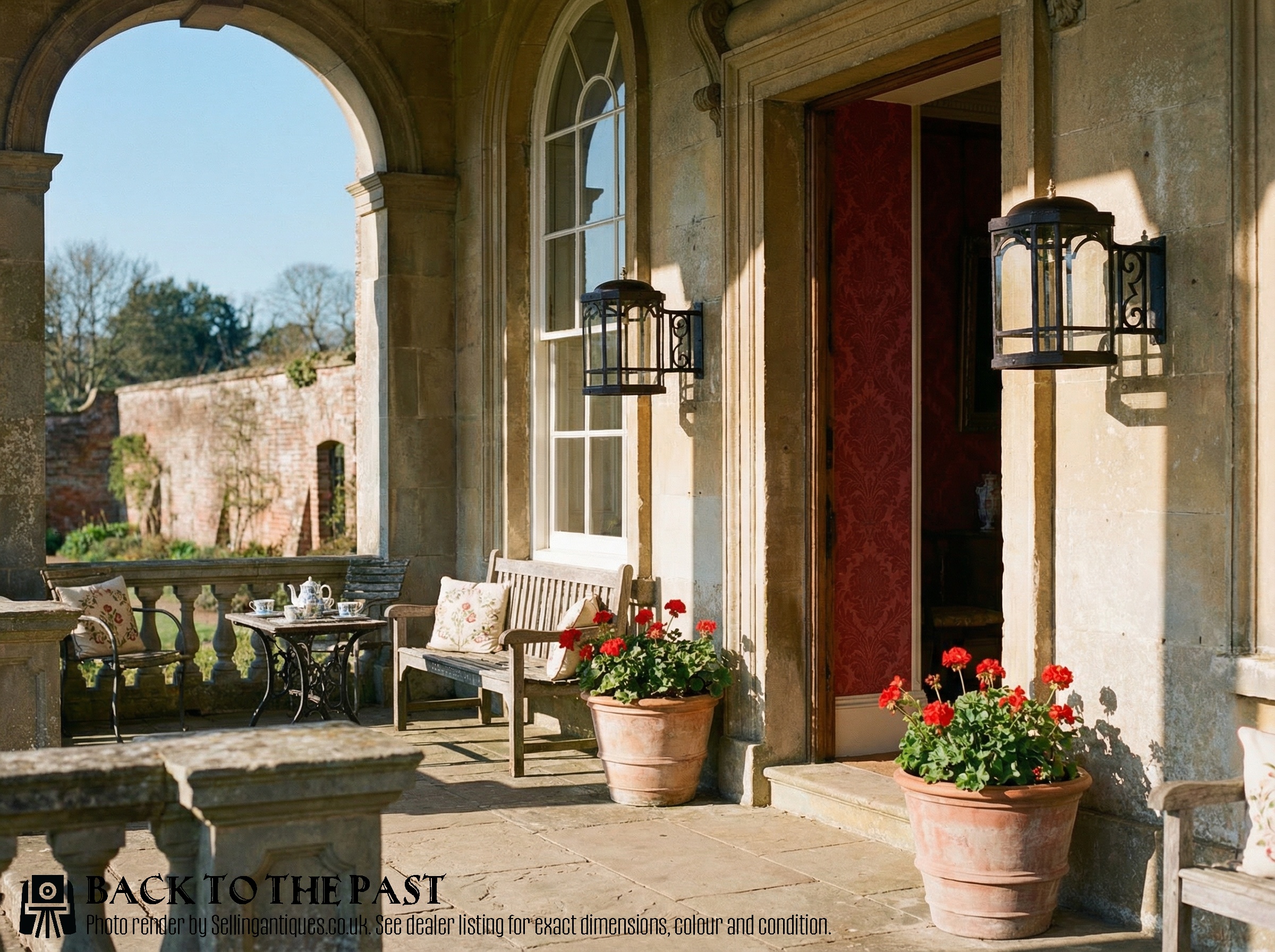
A wrought iron porch light provides outdoor or hallway illumination through sturdy metal framing paired with glass panels. Buyers seeking a wrought iron porch light will find hanging lanterns, wall-mounted fixtures, and pendant lights suited for exterior entryways.
The selections span the nineteenth century, the Edwardian era, and the nineteen-twenties, incorporating styles such as Arts and Crafts, Gothic Revival, and French Beaux-Arts. Most examples combine iron structures with glass, frosted glass, or leaded glass panes.
Forms range from simple wall lanterns to large pair configurations and octagonal outside designs. These fixtures serve both practical lighting needs and decorative architectural enhancement for period properties.
Construction and materials
Makers formed these fixtures primarily from wrought iron or cast iron frameworks, often combined with secondary metals like copper, brass, zinc, or steel. Blacksmiths shaped the iron elements by hand to create durable outdoor housings.
Panels of clear, frosted, or leaded glass were fitted into the metal frames to enclose the light source and protect it from the weather. Some pieces integrated decorative motifs or specific regional styling, such as French chateau influences or shamrock details.
Listings feature items spanning the nineteenth century up to nineteen-twenty, incorporating brass, copper, zinc, and steel alongside wrought iron.
Assessing quality and craftsmanship
The standard of a fixture depends on the finesse of the metalwork and the integrity of its assembly. Hand-forged blacksmith work and substantial gauge iron distinguish superior examples from simpler production pieces.
Material combinations also influence the overall character, particularly where copper, brass, or leaded glass are integrated into the iron frame. The condition of the original glass panels and the structural tightness of the metal housing define the upper tier of these items.
The Wrought Iron Porch Light Glossary
- Wrought iron
- A tough, malleable form of iron that can be heated and forged into decorative and structural shapes. Blacksmiths utilised this material for its durability and fibrous texture.
- Leaded glass
- Individual pieces of glass joined together with lead cames to form geometric or pictorial patterns. This technique was frequently employed in Arts and Crafts and Edwardian lighting designs.
- Frosted glass
- Glass treated to scatter light and obscure visibility, reducing glare from the internal bulb. It appears commonly in exterior lanterns to soften illumination.
- Gothic Revival
- An architectural and decorative style drawing inspiration from medieval forms, featuring pointed arches and heavy proportions. Pieces from this tradition often display dramatic silhouettes.
- Hall lantern
- An enclosed ceiling-hung light fixture traditionally placed in entrance halls or corridors. These forms provide directional downward illumination inside a home.
Wrought Iron Porch Light: Frequently Asked Questions
Where should I hang a porch lantern?
These fixtures suit sheltered exterior entryways, covered porches, and grand entrance halls where sufficient headroom allows for hanging or wall-mounted designs. Their weather-resistant metal construction protects the internal electrical components from damp conditions.
Consider the scale of the entrance when positioning the piece, ensuring adequate clearance for doors to open fully without striking the frame.
How do I identify a Victorian lantern?
Victorian examples often incorporate heavy ironwork influenced by Gothic Revival styles or ornate traditional motifs. The metal components display robust hand-forged characteristics typical of nineteenth-century production.
Detailing may include decorative metal straps, riveted joints, and traditional glass configurations such as leaded panels or thick blown panes.
What is an Edwardian porch light?
Edwardian lighting reflects the aesthetic shifts of the early twentieth century, balancing traditional durability with lighter decorative touches. These pieces frequently feature simplified geometric lines or refined Arts and Crafts influences.
They often utilise materials like copper and brass alongside iron, paired with clear or frosted glass to maximise exterior illumination.
Are these lights suitable for outdoor use?
Most of these lanterns were originally designed for exterior installation on porches and outside walls. The combination of iron, zinc, copper, and glass withstands outdoor elements when properly maintained.
Buyers should have a qualified electrician inspect the antique wiring and fitting before outdoor installation to ensure modern safety compliance.