


Vintage Entryway Pendant Light
A vintage entryway pendant light brings historic character and warmth to a hallway through glass and metal construction.
Vintage Entryway Pendant Light
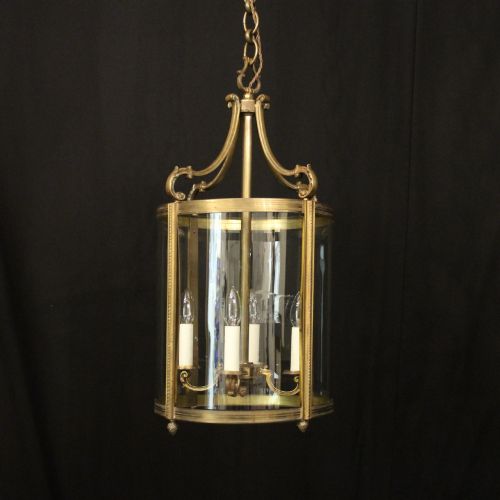
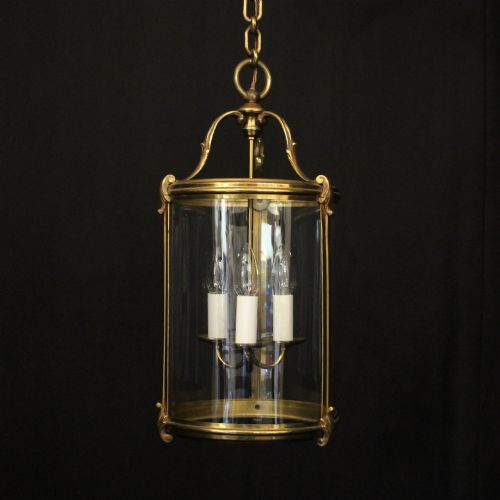
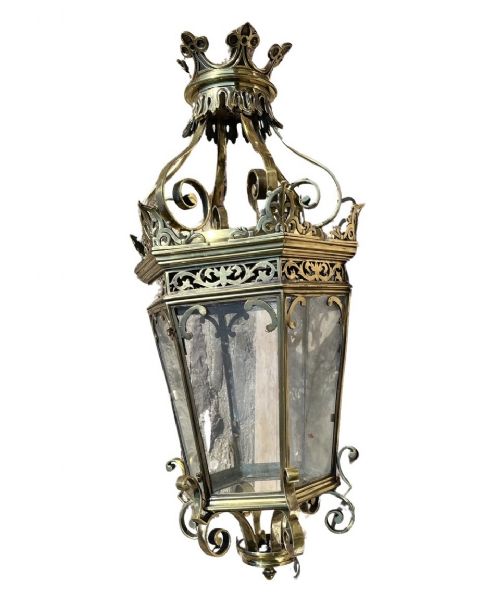
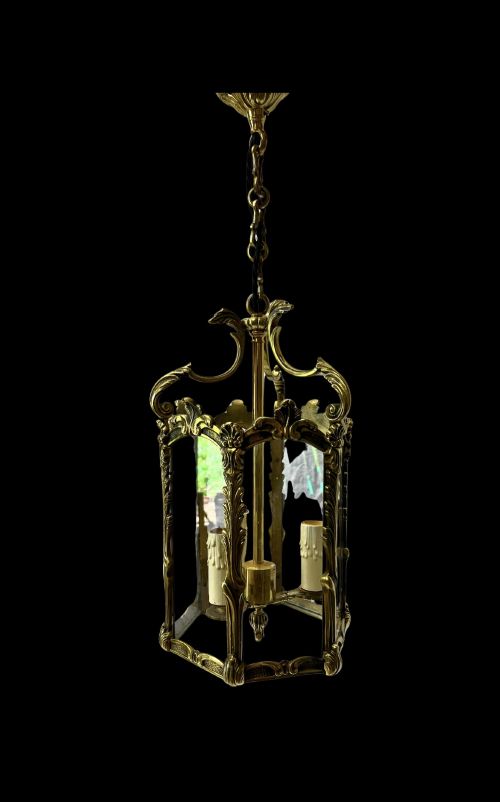
Buyers will encounter forms such as convex hall lanterns and multi-light hanging fixtures. Styles range from French Rococo, Louis XVI, and Neo-Classical to Arts and Crafts, Art Deco, and Gothic Revival. These pieces balance functional illumination with ornate decorative framing for interior thresholds.
Materials and Construction
Construction relies heavily on structural metals paired with glass panes. Workshops shaped brass, wrought iron, and steel to form the foundational frames, often applying gilt bronze, gilded brass, or silvered bronze surface treatments.
Glazing typically involves fitted glass panels, sometimes numbering four panes or forming convex shapes to diffuse light from internal bulbs or candles. Metalwork ranges from simple structural designs to decorative cast and forged ornamentation.
Materials across these listings include glass, brass, wrought iron, gilt bronze, gilded brass, silvered bronze, and steel.
Assessing Craftsmanship
Quality depends on the complexity of the metal casting and the finishing of the bronze, brass, or wrought iron frame. Heavier gauge metals and detailed hand-chased gilding indicate superior workshop production.
The integrity of the glass panels and the sophistication of the framing, such as convex glass shaping or multi-light configurations, differentiate standard utilitarian fixtures from high-end decorative commissions.
The Vintage Entryway Pendant Light Glossary
- Hall lantern
- A ceiling-suspended lighting fixture specifically proportioned for corridors, vestibules, and entrance halls. These fixtures often feature protective glass panels enclosed within a decorative metal framework.
- Convex glass
- Curved glass panes that bulge outward from the lantern frame. This technique diffuses internal illumination and adds visual depth to the silhouette.
- Gilt bronze
- Bronze metal that has been coated with a thin layer of gold or gold-coloured alloy. This finish provides a durable, lustrous surface resistant to tarnishing.
- Wrought iron
- Iron beaten into shape by hand with tools rather than cast in a mould. This material is characteristic of Arts and Crafts and Gothic Revival pieces.
- Triple light
- A fixture designed to house three separate illumination sources within the internal cage. This configuration provides increased brightness for larger entryways.
Vintage Entryway Pendant Light: Frequently Asked Questions
How do I hang a vintage pendant light?
These fixtures suspend from ceilings using chains or rigid rods attached to a mounting canopy. Professional installation ensures the weight of the metal and glass is properly secured to ceiling joists.
Height adjustment depends on hallway ceiling clearance and the physical drop of the specific lantern. Clearance must allow for door openings and safe passage below.
What periods do these lights come from?
The available lighting spans from the mid-nineteenth century through the 1930s. Pieces frequently date from the early 20th century, specifically the 1900s to the 1930s.
Earlier Victorian examples from the 1860s sit alongside Art Deco and Arts and Crafts designs. This timeline captures significant shifts in domestic lighting technology and decorative taste.
Are these lights electrified?
Many examples are adapted for modern electrical circuits while retaining their antique frames and glass panels. Descriptions indicate whether a fixture holds single or multiple light sources.
Rewiring should be inspected by a qualified electrician to meet current safety standards prior to installation. Internal lamp holders accommodate standard modern bulbs.
What maintenance do glass lanterns require?
Routine care involves dusting the metal framework and cleaning the glass panes to maintain light output. Gentle cleaning solutions prevent damage to gilded or silvered bronze surfaces.
Checks on suspension loops and electrical connections ensure safe daily operation. Handling glass panels during maintenance requires caution to avoid displacement.