
Wrought Iron Log Irons
Wrought iron log irons hold fuel inside the hearth, offering sturdy support for wood fires in traditional and period fireplaces.
Wrought Iron Log Irons
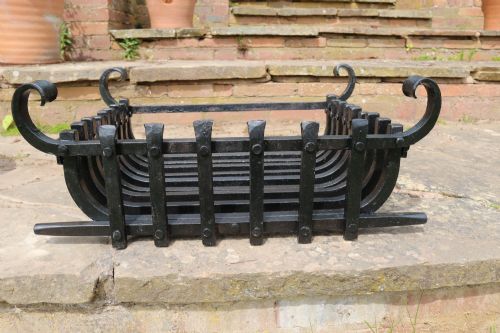
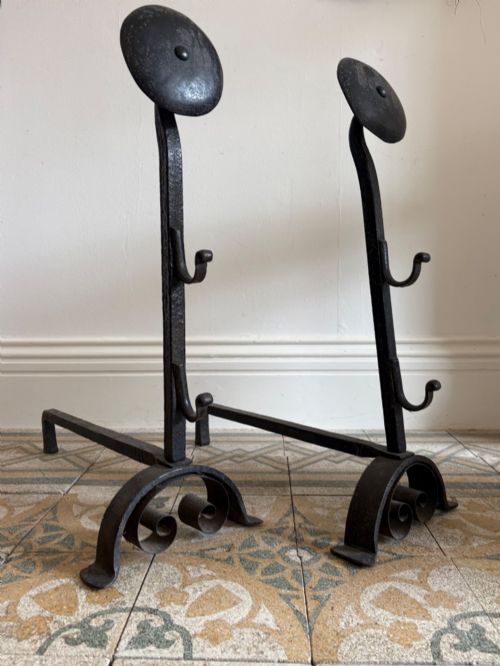
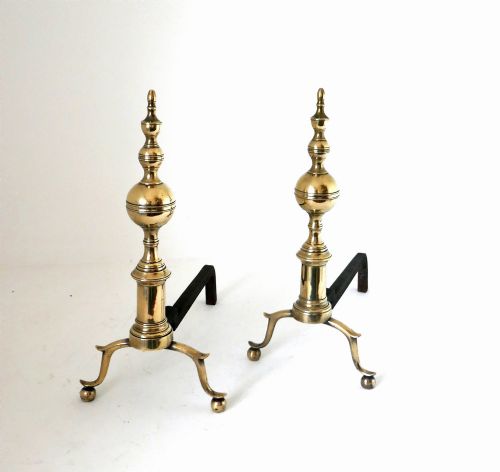
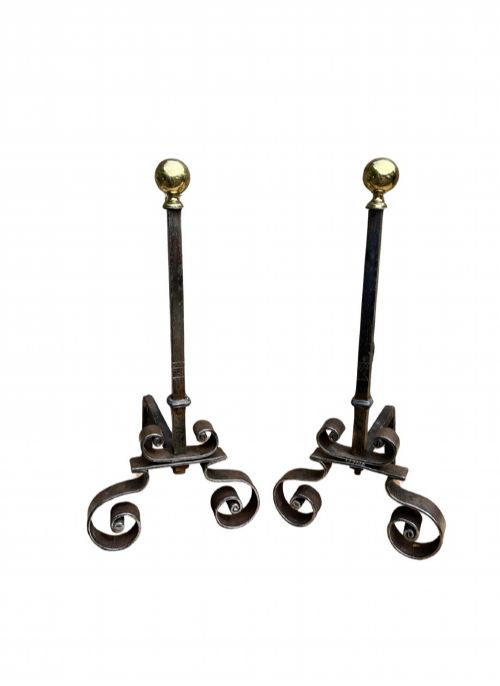
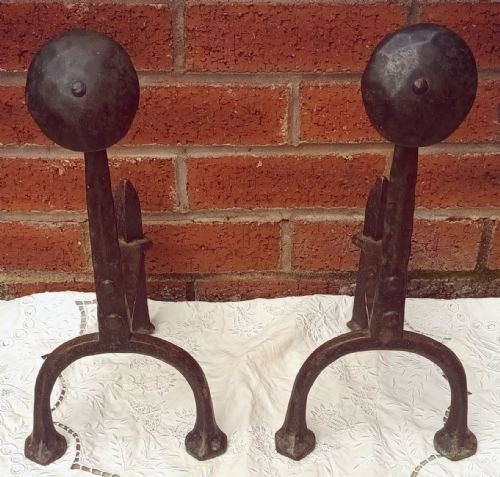
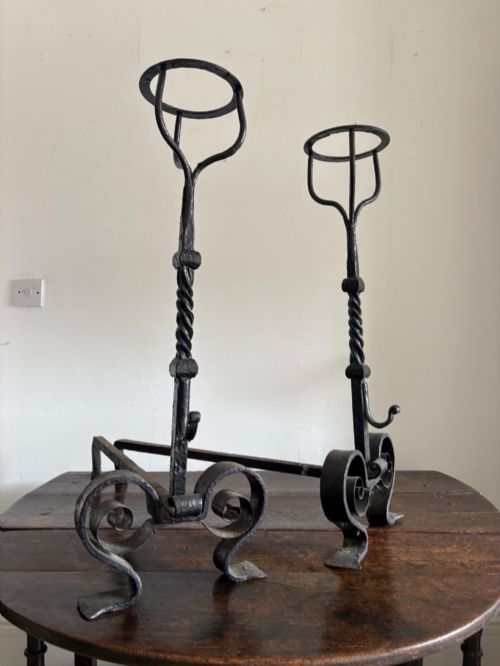
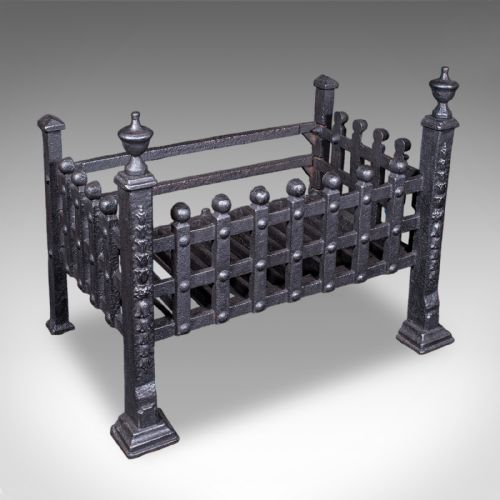
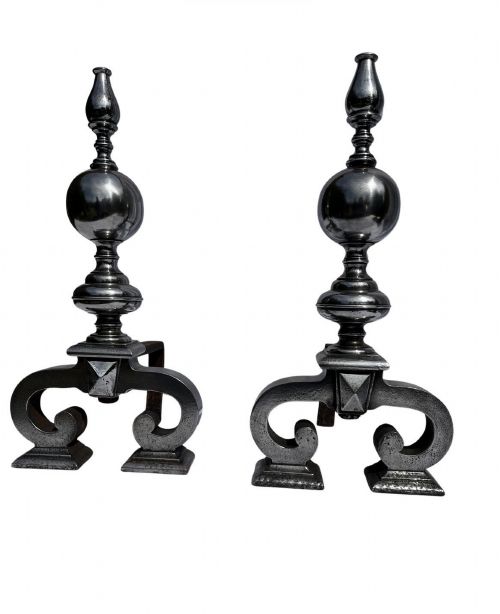
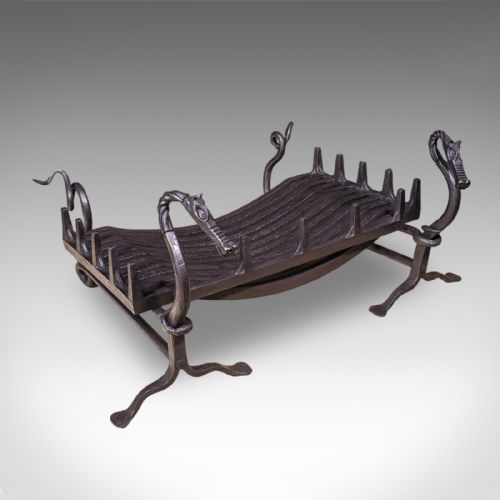
Wrought iron log irons comprise fire dogs, andirons, and fire baskets designed to elevate wood off the hearth floor for better air circulation. These items emerge from periods spanning the eighteenth, nineteenth, and early twentieth centuries, reflecting Georgian, Victorian, and Arts and Crafts design movements.
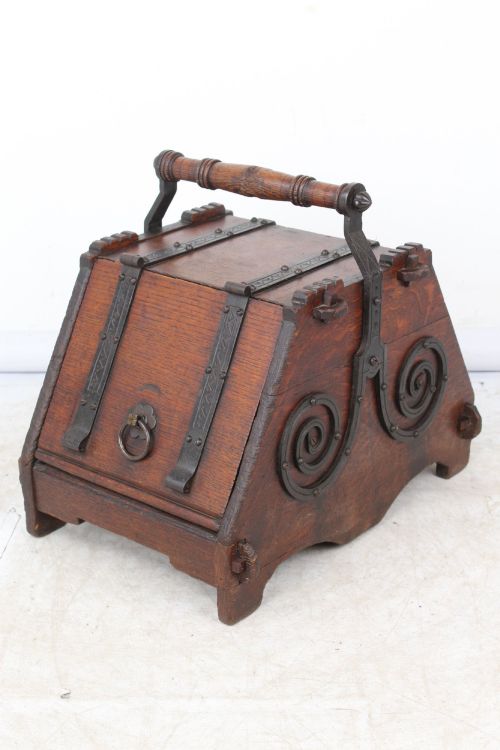
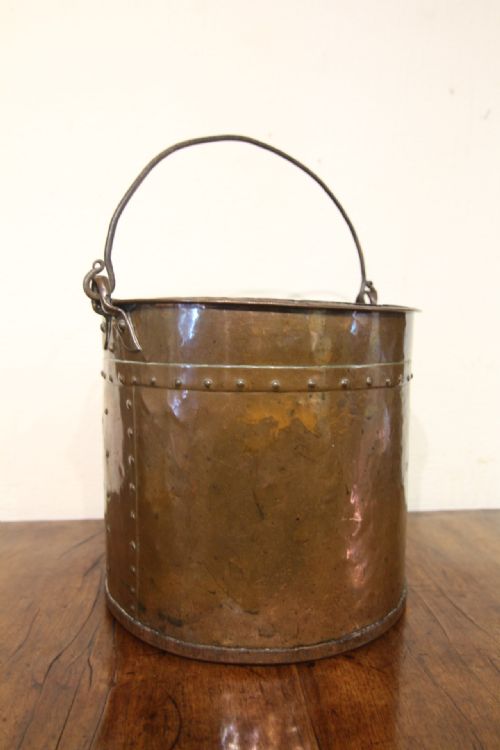
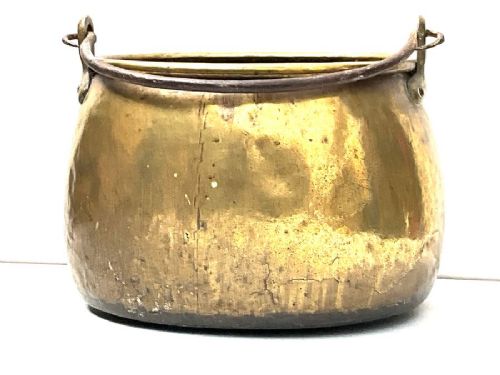
Buyers most frequently encounter paired andirons and fire baskets forged in iron or cast metal, often accompanied by complementary copper bins or buckets. The selection ranges from plain nineteenth-century utility pieces to decorative Arts and Crafts iterations with medieval or rustic influences.
Materials and Technique
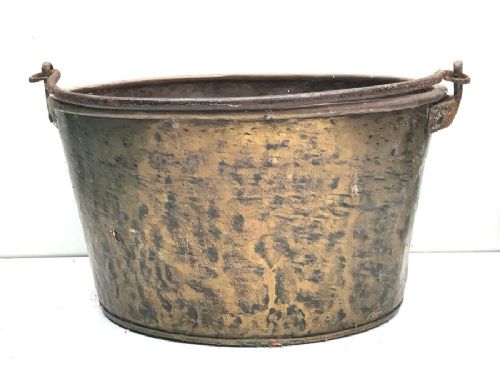
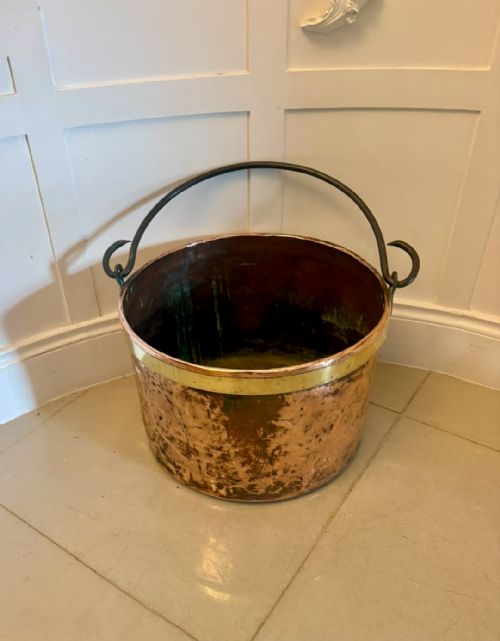
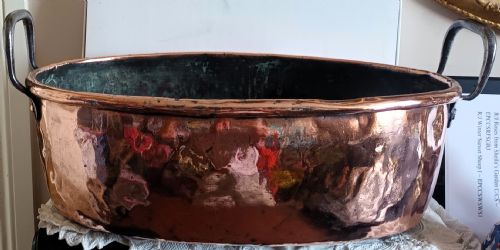
Makers utilised wrought iron and cast iron for structural strength, shaping the metal by hand-forging or casting to create heavy fire dogs and grates. Copper frequently appears alongside iron in associated log bins, coal buckets, and pans, joined by riveted construction and fitted with swing handles.
Secondary materials include brass for decorative trim and hardwoods such as oak and fruitwood utilised in bases or mounting blocks. These traditional combinations ensure heat resistance and durability within active fireplace settings.
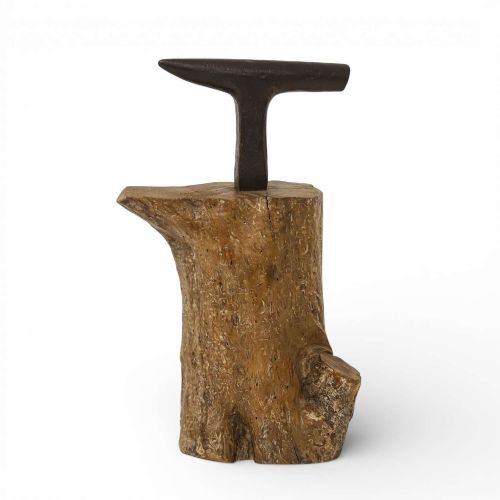
Even a farrier's anvil finds a second career beside the hearth, mounted securely on a fruitwood trunk.
Evaluating Quality
Quality rests upon the weight of the metal and the integrity of the hand-forged joinery, distinguishing heavy, utilitarian items from lighter decorative examples. Superior pieces display purposeful blacksmithing, balanced proportions, and clean assembly without excessive modern reinforcement.
The integration of mixed materials, such as heavy copper bodies paired with secure wrought iron handles and frames, marks the higher tier of fireplace accessories. Patina earned through age and use contributes to the visual presence of better examples.
Christopher Dresser
The Wrought Iron Log Irons Glossary
- Andiron
- A horizontal metal support raised on legs, used in pairs to hold logs in an open fireplace. They often feature decorative fronts.
- Fire Basket
- A metal grate designed to contain fuel within a hearth, allowing ash to fall through to the base below.
- Coal Scuttle
- A bucket or container specifically shaped for holding and transporting coal to the fire.
- Log Bin
- A large vessel utilised for storing firewood near the hearth, frequently rendered in copper with iron fittings.
- Gothic Revival
- A nineteenth-century style drawing inspiration from medieval architectural motifs and ornamentation.
Wrought Iron Log Irons: Frequently Asked Questions
What is the difference between log irons and andirons?
Log irons and andirons both serve to support firewood above the hearth floor to improve airflow. The terms are frequently used interchangeably to describe heavy metal fire dogs.
Traditional fireplace setups often group andirons with matching fire baskets or grates to contain the fuel securely.
How do I date a wrought iron fireplace piece?
Dating relies on observing construction methods, material combinations, and stylistic clues such as Victorian Gothic revival or Arts and Crafts motifs. Hand-forged marks and heavy riveting generally point to nineteenth-century or earlier production.
Associated copper accessories and framing styles help narrow the timeframe to specific decades like the early nineteen-hundreds.
Can these pieces be used in a modern fireplace?
Many wrought iron and cast iron pieces remain robust enough for functional use in open hearths. Buyers should check dimensions and weight capacities to ensure compatibility with their specific fireplace opening.
Careful placement prevents damage to fragile historic metalwork during active fires.
What materials are typical for these items?
The primary material is wrought iron, often accompanied by cast iron, brass, and copper elements. Secondary components sometimes include oak or fruitwood used for mounting or handles.
These durable materials withstand high temperatures while offering distinct visual textures.