

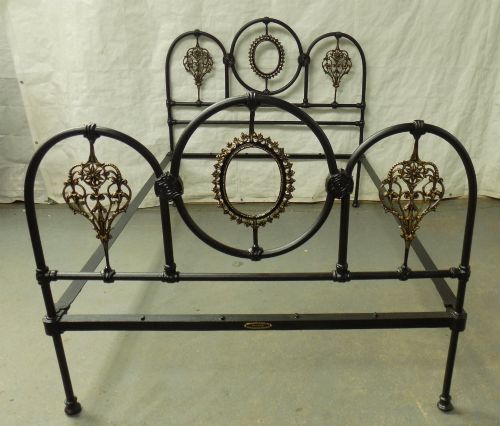
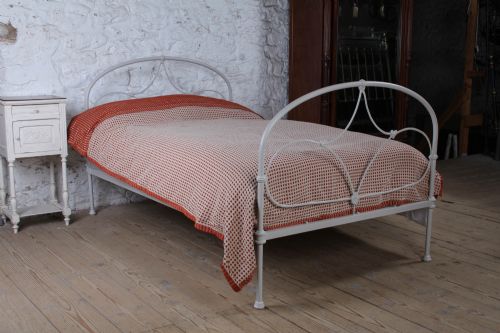
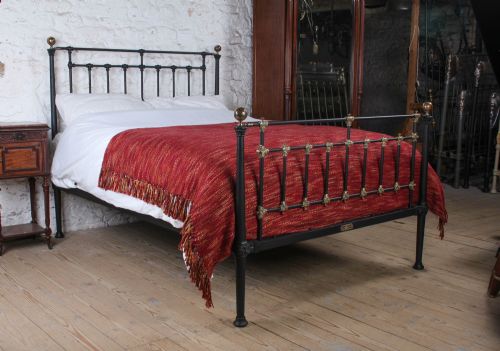
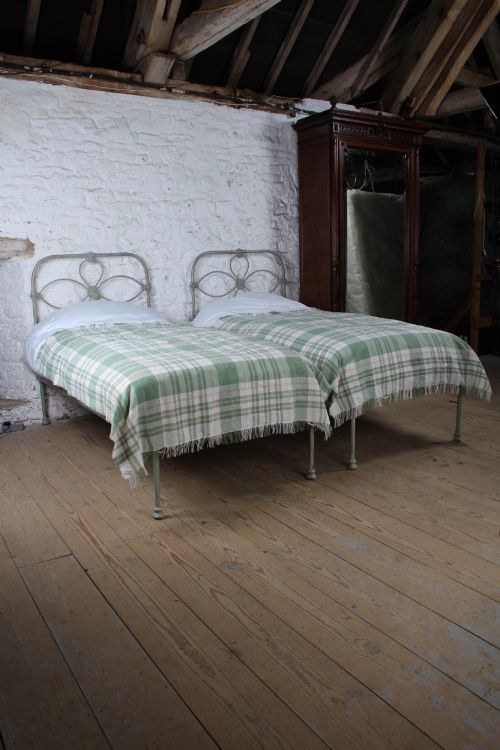


Wrought Iron Headboard
A wrought iron headboard brings a robust yet graceful focal point to the bedroom, grounding the space with historic metalwork.
Wrought Iron Headboard
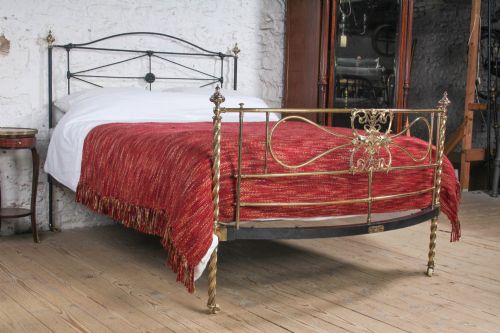
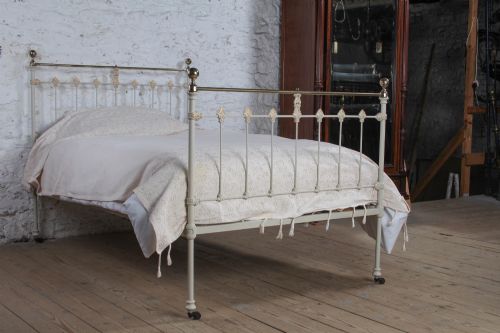
A wrought iron headboard forms part of a wider selection of antique beds, bed frames, and bedsteads spanning single, double, and king sizes. When searching for a wrought iron headboard, buyers encounter pieces derived from larger nineteenth-century and early twentieth-century bedsteads, featuring distinctive Victorian, French Country, and Celtic Revival stylistic touches.
The objects available in this tradition encompass varied regional expressions, from Portuguese regional pieces to Italian tole ware and American style adaptations. Many examples originate from the Victorian era and the decades immediately following, demonstrating how metal furniture evolved to suit domestic chambers across Europe and beyond.
Materials and construction methods
The construction relies heavily on combinations of forged iron, cast iron, and sheet metal, frequently paired with contrasting brass components. Makers utilised traditional metalworking techniques to shape robust structural bars and delicate decorative motifs alike.
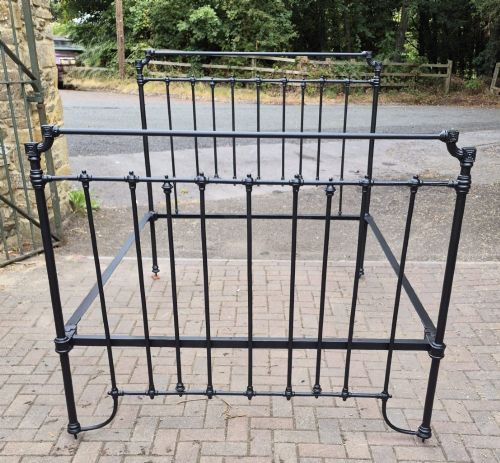
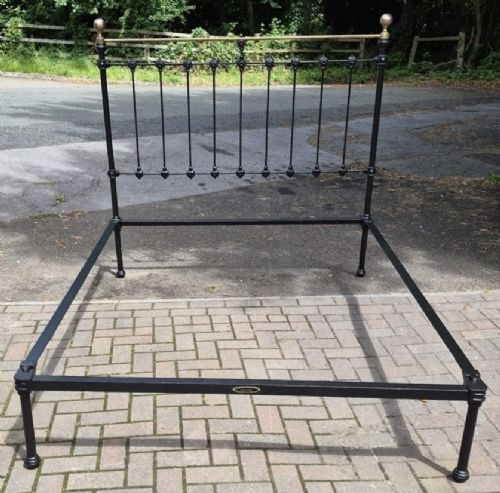
Surface treatments recorded in the evidence include applied paint, such as classic ivory and black finishes, alongside occasional gilding. These protective and decorative coatings preserve the underlying metal while defining the visual character of each piece.
The listings span several decades of production, incorporating materials such as brass, sheet metal, and forged iron within Victorian and continental European styles.
Distinctions in quality and execution
Quality reveals itself in the complexity and precision of the metalwork, distinguishing simple utilitarian frames from elaborately shaped or ornate curly designs. The integration of brass elements and tapered posts requires a higher level of joinery skill than standard assembly.
The character of the casting and forging work dictates the refinement of the finished piece. Well-executed examples display balanced proportions and crisp detailing across arches and decorative finials, whereas lesser pieces show simpler, more repetitive commercial patterns.
Winfield
The Wrought Iron Headboard Glossary
- Wrought iron
- A tough, malleable form of iron that can be heated and hammered into decorative shapes. It is distinct from brittle cast iron.
- Cast iron
- Iron poured into a mould while molten to create detailed structural or decorative components. This technique allows for repeatable, intricate patterns.
- Bedstead
- A framework of a bed supporting the mattress and springs, incorporating head and foot sections. Antique variants often feature elaborate metal scrollwork.
- Tole ware
- Enamelled or lacquered metal items, occasionally found on nineteenth-century Italian bed frames. The finish provides a smooth, colourful surface.
- Brass
- An alloy of copper and zinc used alongside iron for decorative finials and tubing. Its golden tone offers a warm contrast to dark iron.
Wrought Iron Headboard: Frequently Asked Questions
How do I clean an antique iron bed?
Dust the surface regularly with a soft, dry cloth to prevent grime accumulation. Avoid harsh chemical cleaners that might strip original painted finishes or damage applied gilding.
For stubborn marks, use a damp cloth with mild soapy water, drying the metal immediately to prevent rust formation.
Can antique bed sizes fit modern mattresses?
Nineteenth-century sizing conventions differ from contemporary standards, frequently requiring custom mattress fabrication. Single, double, and king designations vary slightly from current dimensions.
Check the internal measurements of the frame carefully before sourcing a modern mattress to ensure a proper fit.
How do I identify a Victorian iron bed?
Victorian pieces often display characteristic heavy casting, ornate scrollwork, and combinations of iron and brass. Stylistic clues include arched profiles and Celtic Revival motifs.
Construction methods involving hand-forged elements and period fasteners further confirm nineteenth-century origins.
Are these beds supplied with bases?
Many antique bedsteads survive as frames and headboards without modern slatted bases or mattress supports. Adaptation is often necessary to accommodate contemporary sleeping foundations.
Consult the specific listing details to understand whether side rails and cross supports accompany the main structure.