



Wrought Iron Copper Vessel
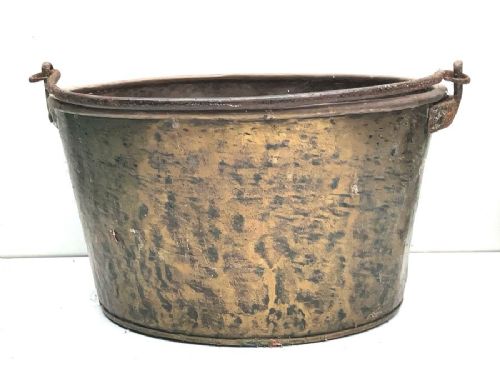
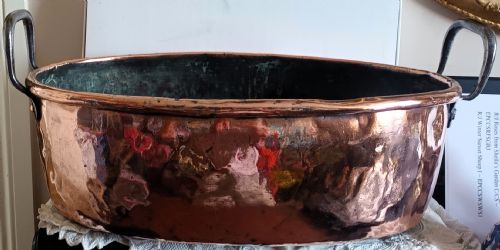
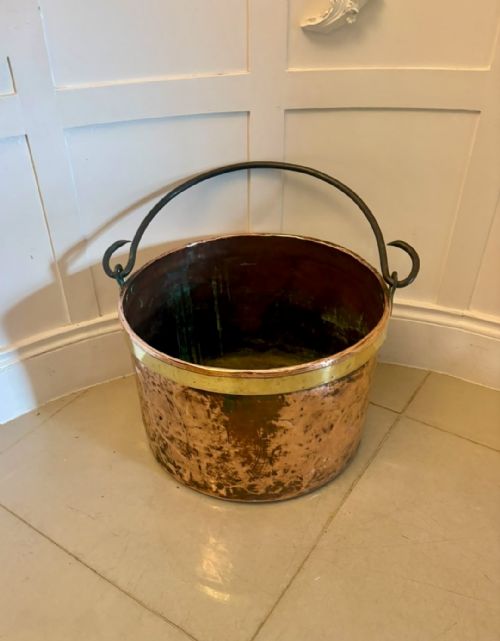
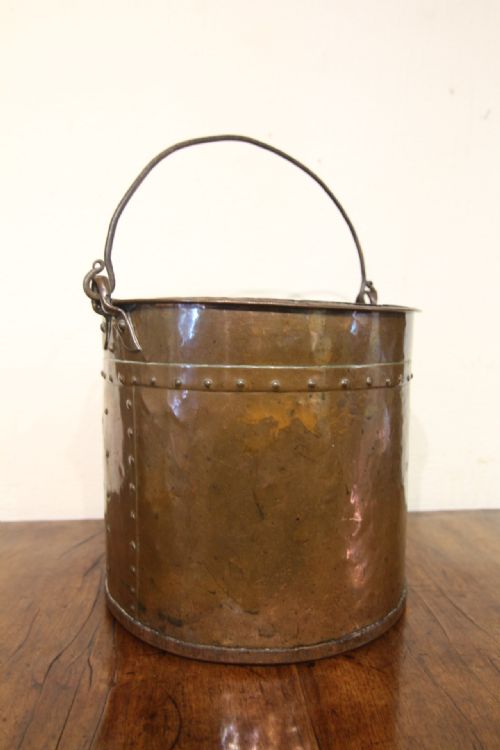
A wrought iron copper vessel brings warmth and honest utility to a room through heavy metalwork and beaten metal.
Wrought Iron Copper Vessel
When you search for a wrought iron copper vessel, you encounter utilitarian items created for domestic and hearth use across past centuries. The selection here centres on pots, pans, cauldrons, log bins, and fireside buckets that combine beaten metal bodies with forged iron handles, stands, or frames.
The versions most frequently met on this page date from the Georgian period and the nineteenth century, with occasional Arts and Crafts examples appearing alongside French country pieces. These objects originate from kitchen and fireside settings where durability mattered above all else, resulting in robust vessels designed to hold water, food, or fuel.
How they were made
The construction of these vessels relies on the union of sheet copper and forged iron, joined with visible rivets or formed seams. Copper was beaten to shape for the body to provide thermal conductivity and corrosion resistance, while wrought iron was hammered into swing handles, sturdy frames, and stands.
Makers shaped the metal by hand, leaving subtle hammer marks and surface variations that record the process of manufacture. Iron components were heated and worked at the anvil to create strong suspension points, often fixed securely to the copper walls.
Wrought Iron Copper Vessel Retail Price Guide 2026
Typical asking prices for wrought iron copper vessel among the pieces listed under this phrase on Sellingantiques today, from the lower quarter to the upper quarter. They describe what is for sale here now, not the wider market.
Some cauldrons carry heavy swing handles designed to hang directly over glowing embers, enduring centuries of soot without a complaint.
What varies in quality
Quality in these items rests upon the thickness of the copper gauge and the integrity of the ironwork. Substantial metal thickness prevents warping and buckling under heat or weight, distinguishing robust utilitarian objects from lighter decorative wares.
The proportion and balance of the iron handle or frame relative to the copper vessel indicate the care taken by the maker. Original mounts, secure riveting, and harmonious form separate standard domestic kitchenware from exceptional fireside examples.
The Wrought Iron Copper Vessel Glossary
- Wrought iron
- Iron that has been heated and hammered by hand into shape. This material provides strength and fibrous durability for handles and frames.
- Cauldron
- A large round pot or kettle used traditionally for cooking or boiling over an open fire. These vessels typically feature a wrought iron swing handle for suspension.
- Log bin
- A deep container designed for holding firewood beside the hearth. They often incorporate iron stands or riveted copper bodies.
- George III
- The period of British history spanning the late eighteenth and early nineteenth centuries. Pieces from this era often display classic utilitarian proportions.
- Arts and Crafts
- A design movement valuing handcraft and traditional materials. Objects from this style emphasise honest construction and visible craftsmanship.
Wrought Iron Copper Vessel: Frequently Asked Questions
How were these copper vessels originally used?
These vessels served practical functions around the kitchen and hearth, including cooking food, heating water, and storing coal or logs for the fire.
Their durable construction allowed them to withstand heavy daily use in busy domestic environments over generations.
How do I clean a copper vessel?
Maintenance usually involves gentle washing with warm soapy water and drying thoroughly to preserve the surface metal. Avoid harsh abrasives that remove the historic character and natural patina built up over time.
Many owners prefer to leave the metal unpolished to retain the dark tones accumulated through age.
How can I tell a Georgian piece apart from a later one?
Georgian and George III pieces typically display specific hand-beaten construction techniques and heavier gauge metal suited to open hearth cooking. Later nineteenth-century and Arts and Crafts examples often feature different handle attachments and framing styles.
Comparing the riveting patterns and the thickness of the copper sides helps indicate the period of manufacture.
Where should I place a fireside bucket at home?
These pieces fit naturally beside a fireplace or stove to hold fuel, kindling, or even dried florals. Their robust iron and copper construction makes them sturdy enough for everyday utility.
Positioning them on a hearth rug or stone floor highlights the contrast between the metalwork and the surrounding room.