
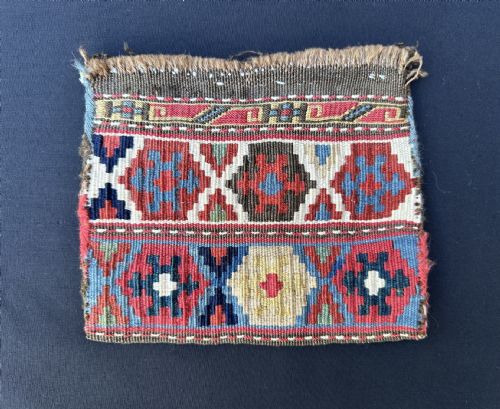
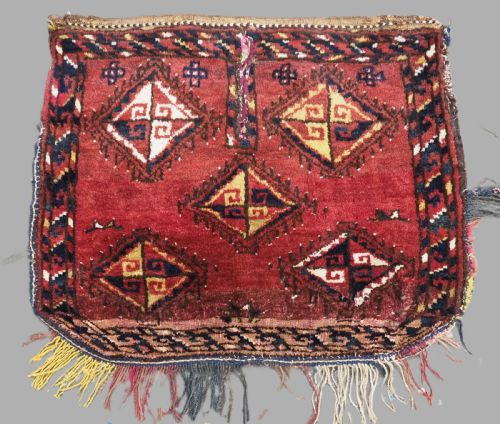


Woven Wool Tribal Bag
When you search for a woven wool tribal bag, you encounter nomadic textiles that carried salt, tobacco, or personal belongings across nineteenth and early twentieth-century landscapes.
Woven Wool Tribal Bag
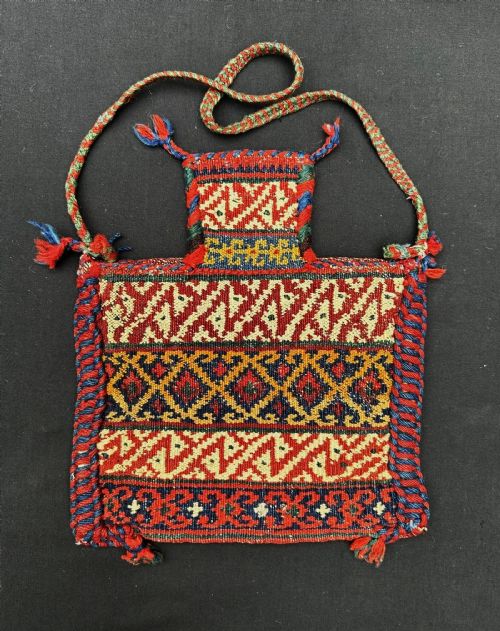
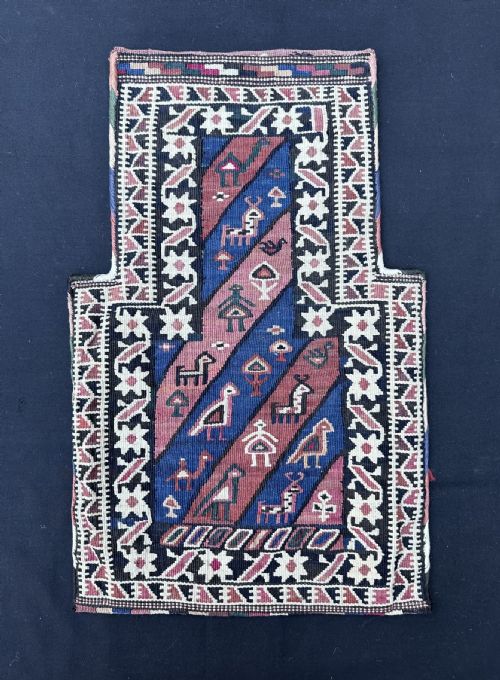
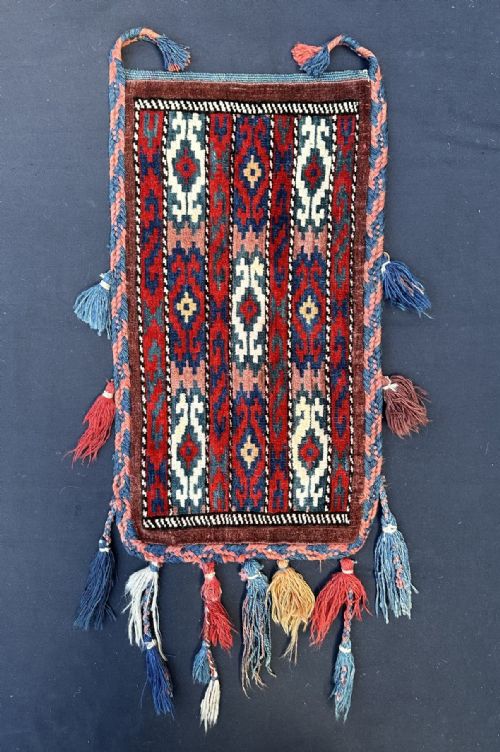
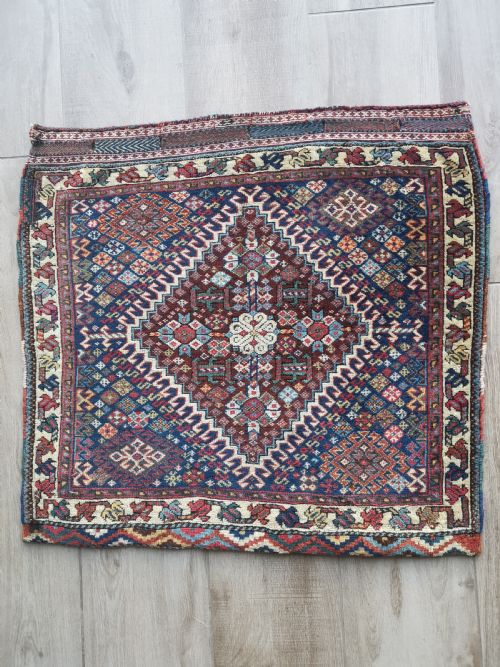
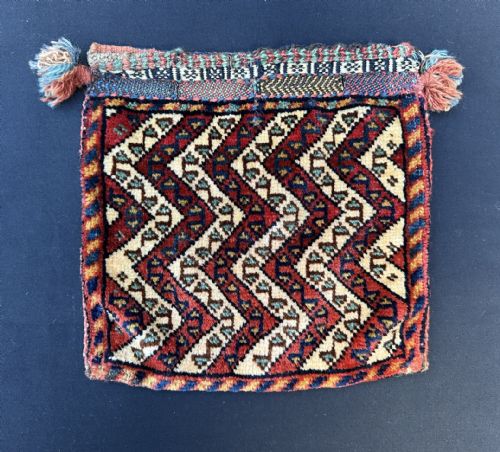
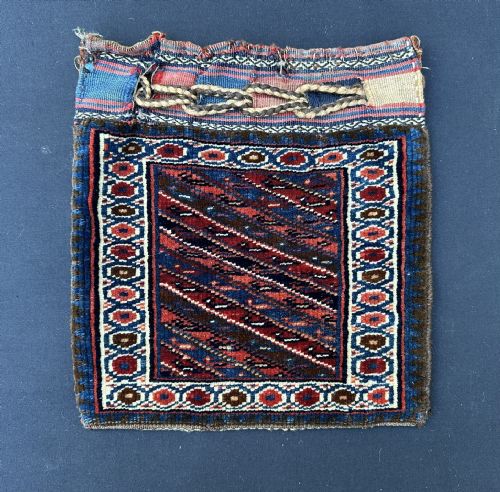
A woven wool tribal bag encompasses utilitarian containers made by nomadic groups across Persia, Central Asia, and the Caucasus. These objects served functional purposes within nomadic camps, functioning as salt bags, vanity bags, saddle bags, and storage pouches.
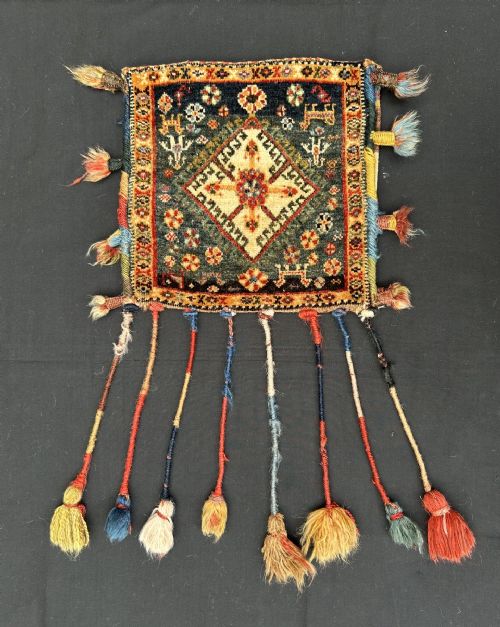
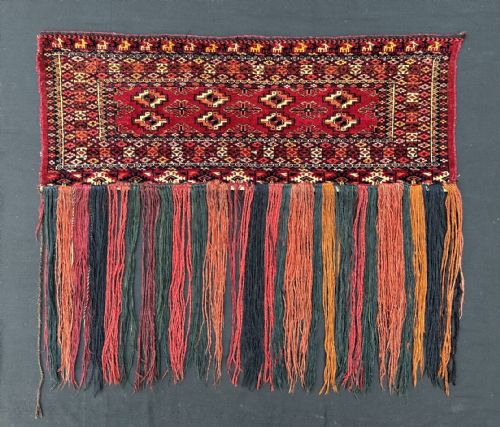
The pieces available on this page originate from tribal confederacies and nomadic groups such as the Qashqai, Baluch, Afshar, and various Turkmen tribes including the Tekke, Yomut, and Sariq. Most examples date from the late nineteenth century to the early twentieth century.
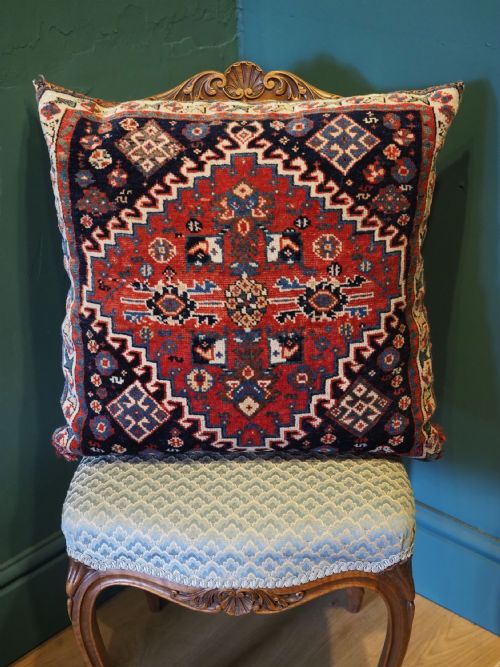
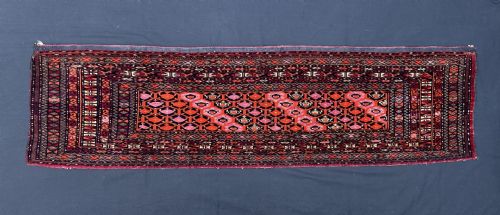
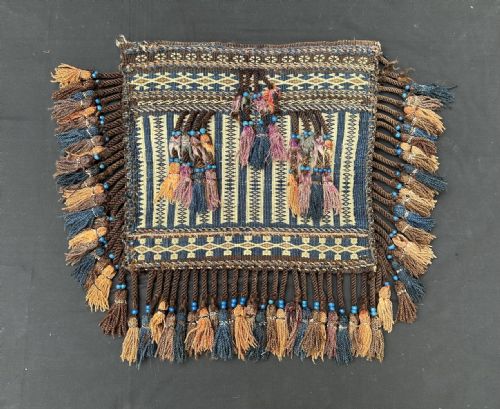
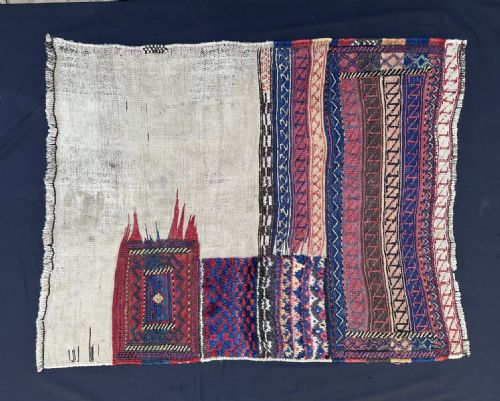
Forms vary from small personal chantehs and vanity bags to larger storage bags like chuvals and torbas. Each format reflects the specific domestic and nomadic requirements of the weavers who produced them.
Materials and construction methods
Nomadic weavers utilised hand-spun wool for the foundation and pile of these pieces, often combining supplementary weft-float techniques or flat-woven plain weave backs. Natural dyes provide the palette, yielding deep madder reds, indigos, and earthy tones that age gracefully.
Structural integrity depended on dense knotting or tight slit-tapestry weaving, depending on whether the bag was designed for heavy transport on pack animals or delicate personal use inside the tent. Additional embellishments occasionally include cotton highlights or glass beads.
Nomadic weavers packed salt in these bags, meaning some antique pouches still carry faint echoes of old journeys across Persian deserts.
Evaluating weave and design execution
Quality in these textiles rests upon the density of the weave and the precision of the tribal guls or geometric motifs. Finer knot counts and crisply delineated patterns indicate superior technical skill by the weaver.
The vibrancy and depth of the natural dyes significantly influence the visual impact of the piece. Examples that retain their original backs, complete fringes, and structural completeness command greater appreciation among collectors.
The Woven Wool Tribal Bag Glossary
- Chanteh
- A small tribal bag or vanity pouch used by nomads to carry personal items. These pieces typically feature single-face pile or flat-weave construction.
- Chuval
- A large storage bag produced by Turkmen and other Central Asian tribes. They were utilised inside yurts for bedding and household storage.
- Torba
- A smaller horizontal storage bag used by Turkmen nomads. They often hung against the walls of a tent for smaller possessions.
- Gul
- A medallion or repeating primary motif characteristic of Turkmen and other Central Asian tribal carpets and bags. Different tribes utilised distinct gul designs.
- Khorjin
- A pair of saddlebags linked by a central web, designed to be draped over horses or camels. Surviving pieces often appear separated into half-khorjins.
Woven Wool Tribal Bag: Frequently Asked Questions
What were tribal bags used for?
Nomads utilised these woven containers for practical storage and transport during seasonal migrations. They held provisions like salt and tobacco, as well as personal grooming items and bedding inside the tent.
Different formats suited different contents, ranging from small personal vanity pouches carried on the person to large storage sacks mounted on pack animals.
How do I identify a Turkmen bag?
Turkmen pieces typically display deep madder red grounds punctuated by geometric primary medallions known as guls. Tribes such as the Tekke, Yomut, and Sariq each employed distinct structural traits and border patterns.
Examining the weave density and wool quality helps separate these Central Asian works from Persian or Caucasian nomadic counterparts.
Can I display these bags on walls?
Many collectors mount smaller bags and bag-faces as textile art to preserve them from floor wear. Proper mounting distributes the weight evenly across the upper edge without straining the historical wool.
Larger pieces like torbas and chuval faces translate well to wall display, showcasing the intricate geometric patterns at eye level.
How do I care for antique wool?
Gentle vacuuming with a low suction setting through a mesh screen removes surface dust without pulling loose fibres. Keep the textile away from direct sunlight to prevent natural dye fading over time.
Professional textile conservators should handle any necessary washing or structural repairs to preserve the integrity of the hand-spun wool.