





Woven Storage Bag
A woven storage bag brings the tactile geometry of nomadic tribal craft directly into an interior.
Woven Storage Bag
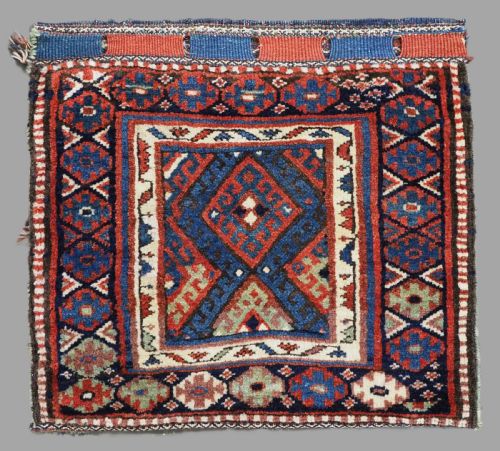
A woven storage bag functions as a utilitarian container created by nomadic and tribal groups across Central Asia, Persia, and the Caucasus.
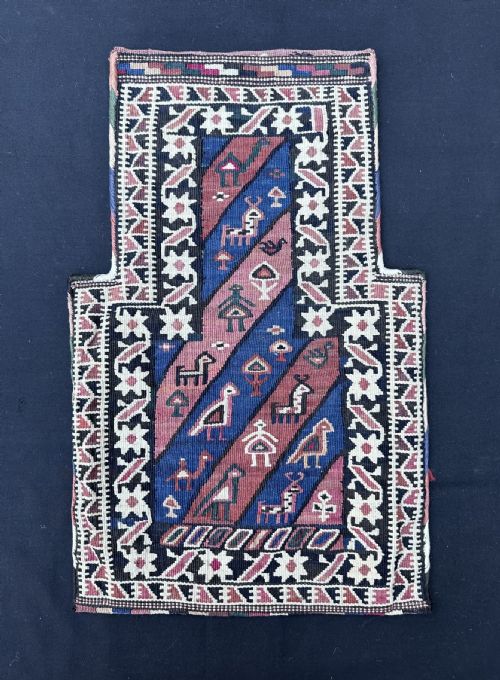
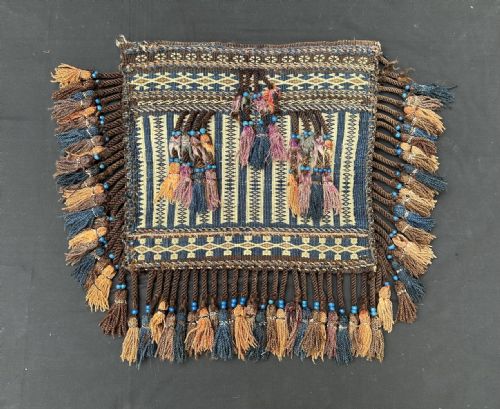
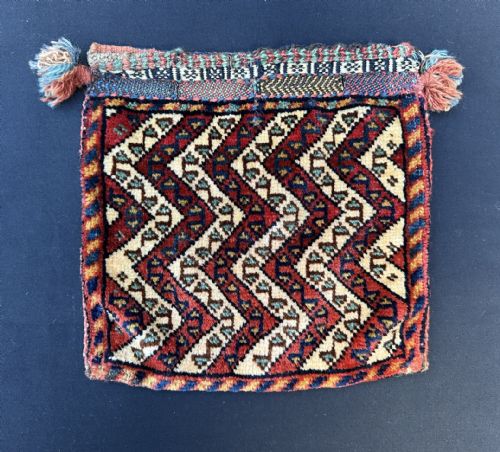
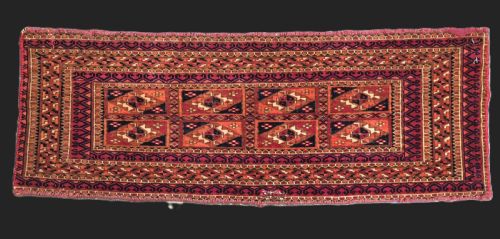
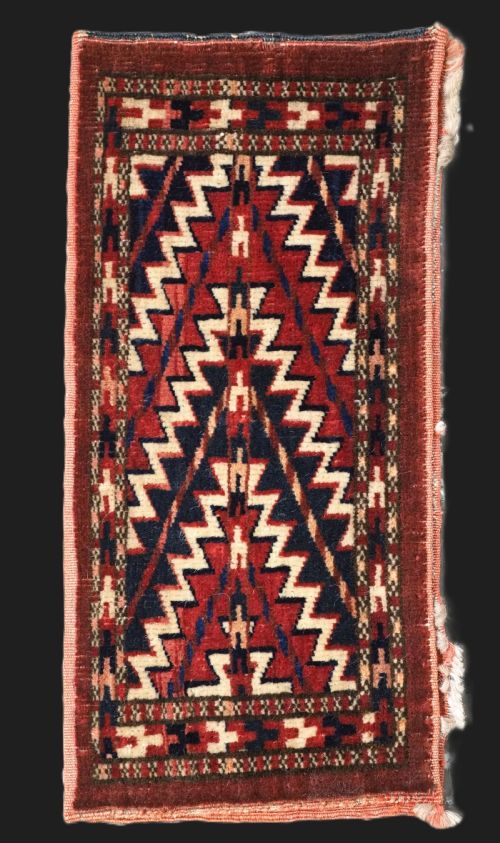
The selections available here include functional household receptacles such as torbas, chuvals, mafrashes, and specialised spindle or salt bags originating from the nineteenth and early twentieth centuries.
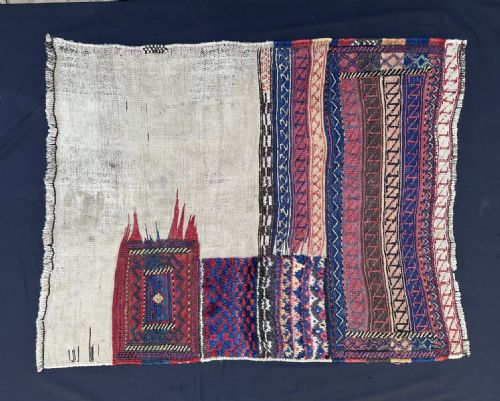
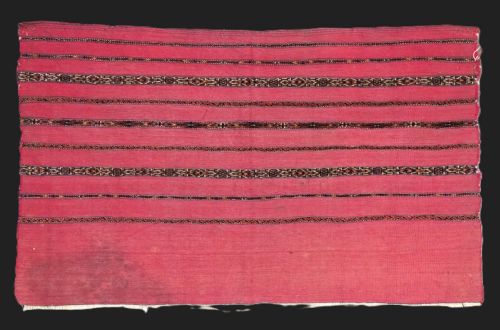
Buyers encounter complete examples retaining their original plain weave backs alongside decorative bag faces designed for tent storage and transport.
Materials and Construction
The construction relies fundamentally on hand-spun wool and dyed yarn, often enhanced with natural dyes derived from regional plants and minerals.
Certain examples incorporate supplementary materials such as cotton foundations, goat hair for durability, silk highlights, and glass bead embellishments.
Weavers employ warp and weft techniques, flatweave structures, and pile knotting to achieve dense, durable surfaces intended to withstand the rigours of nomadic life.
Nomads wove specialised spindle bags known as igsalyks to protect delicate spinning tools while riding on horseback.
Judging Quality and Execution
Quality rests upon the tightness of the weave, the precision of the tribal motifs, and the depth achieved through natural dyeing processes.
The integrity of the structural textile, the survival of original plain weave backs, and the clarity of design layout distinguish finer examples from simpler utilities.
The Woven Storage Bag Glossary
- Chuval
- A large tent storage bag traditionally used by Turkmen tribes for bedding and household belongings. These rectangular pieces frequently display repetitive tribal gul motifs.
- Torba
- A medium-sized storage bag utilised across Central Asian nomadic communities for provisions or personal items. They are often encountered as complete pouches or isolated decorative faces.
- Mafrash
- A rectangular storage container or bedding chest panel originating from Persian and Caucasian weaving traditions. They often feature banded flatweave designs or rich pile execution.
- Gul
- A primary medallion motif characteristic of Turkmen and Central Asian tribal weaving. Each tribal subgroup utilises distinct variations of these recurring geometric emblems.
- Plain Weave
- A simple interlacing of warp and weft threads without surface pile, frequently forming the durable back panels of nomadic bags.
Woven Storage Bag: Frequently Asked Questions
How were woven storage bags used?
Nomadic families utilised these containers inside tents to store wool, grains, bedding, and personal belongings off the earthen floor. Their robust construction protected contents during frequent tribal migrations.
They also served decorative and organizational purposes within the living space, hanging against lattice walls to display family wealth and weaving skill.
How do I care for an antique bag?
Protect the textile from direct sunlight to prevent natural dye fading and gently vacuum with a low-suction attachment through a mesh screen. Avoid harsh chemical cleaners and excessive moisture.
Allow air circulation beneath displayed pieces and consult a specialist textile conservator for any necessary repairs.
How are tribal regions identified?
Tribal attribution relies on specific structural characteristics, colour palettes, and distinct medallion motifs unique to groups such as the Yomut, Tekke, or Ersari. Each region developed recognizable visual dialects over generations.
Comparing knotting density and border arrangements helps narrow the geographic and cultural origins of each piece.
Can these bags be hung on walls?
Many examples adapt well to wall display when mounted using a padded support sleeve or conservation-grade Velcro systems. This distributes the weight evenly across the textile.
Ensure hanging methods do not puncture or strain the historic wool and cotton foundation threads.