


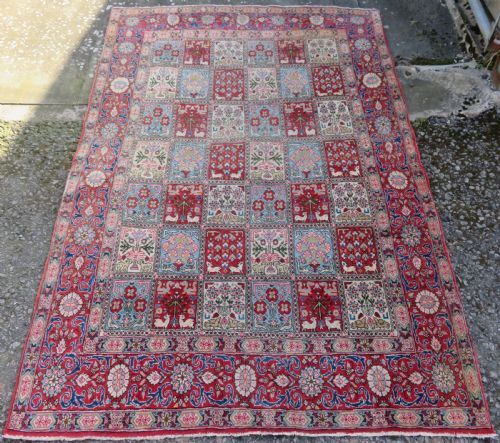


Woven Silk Carpet
A woven silk carpet brings extraordinary texture and intricate pattern to a room, offering both durability and brilliant sheen.
Woven Silk Carpet
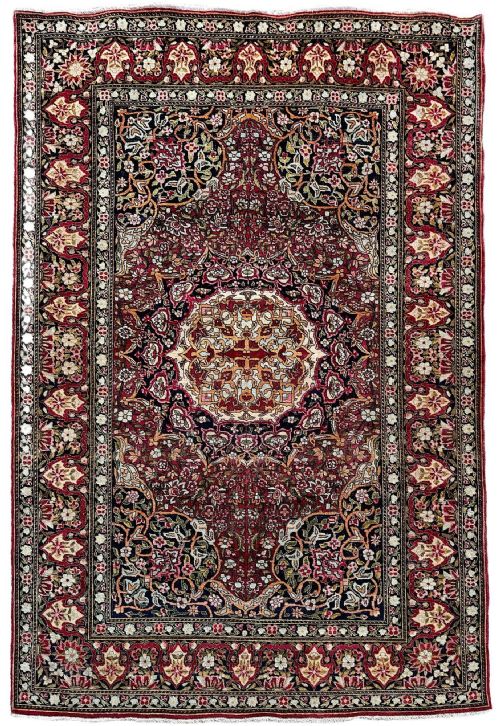
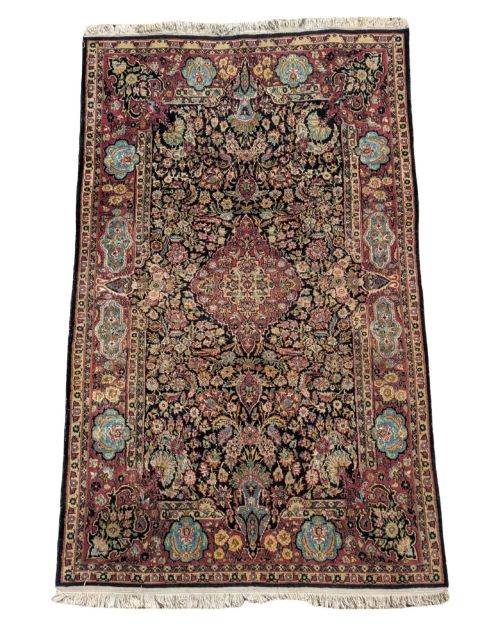
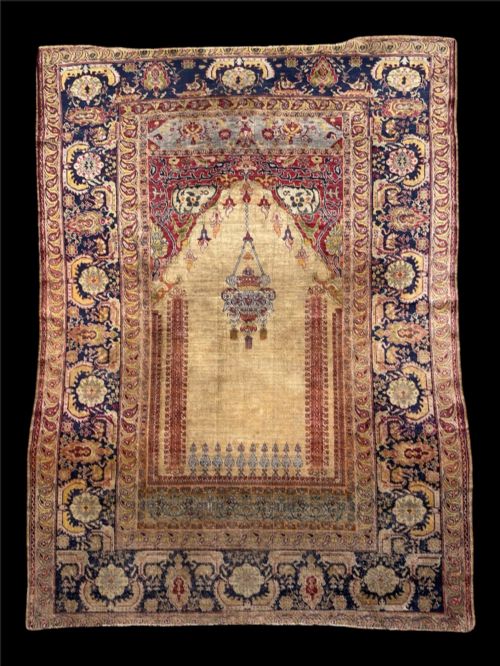
A woven silk carpet is a textile floor covering produced across various regions, often featuring traditional Persian, Ottoman, Kashmiri, Chinese, and Turkmen designs. When searching for a woven silk carpet, buyers encounter pieces ranging from small prayer rugs to large carpets dating from the nineteenth and twentieth centuries.
The inventory includes specific regional types such as Qum, Isfahan, Tabriz, and Kayseri, alongside specialised items like dowry rugs and prayer rugs. Many examples incorporate silk highlights or are woven on silk foundations paired with wool or cotton.
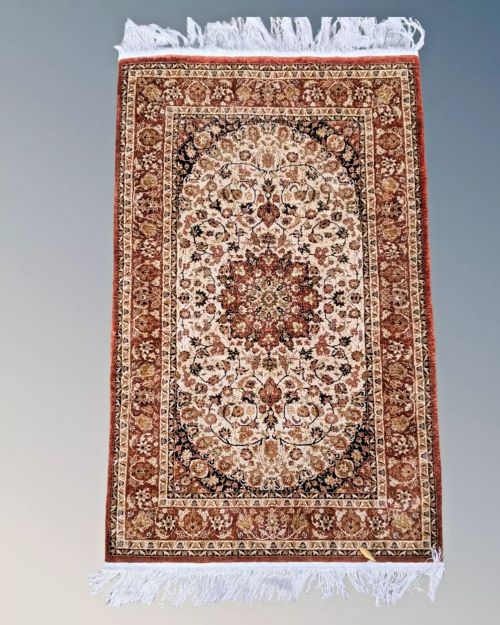
The version most likely to be met on this page is a twentieth-century Persian Qum or Turkish Kayseri rug, frequently displaying floral repeats, tile patterns, or classical medallion layouts.
Factors of quality
Quality in these textiles depends heavily on the density of the weave and the purity of the materials utilised. Pieces with a very fine weave demonstrate greater precision in rendering intricate curves and minute design elements.
The choice of foundation material also influences the handle and longevity of the textile. Pure silk construction throughout separates the finest examples from those that utilise cotton foundations or art silk substitutes.
Listings feature pieces spanning the nineteenth and twentieth centuries, utilising materials including silk, lambswool, cotton, and art silk across Persian, Turkish, and Chinese styles.
The Woven Silk Carpet Glossary
- Foundation
- The underlying structure of warp and weft threads that supports the pile of the carpet. In certain pieces, this foundation consists of silk rather than cotton or wool.
- Prayer rug
- A small textile traditionally used for individual prayer, typically featuring a niche or mihrab design at one end. Examples appear from Anatolian and other regional traditions.
- Gul
- A medallion or repeating octagonal motif characteristic of Turkmen and Central Asian carpet weaving. These symbols often denote specific tribal lineages and heritage.
- Art silk
- An artificial substitute for natural silk, such as mercerised cotton, utilised in rug production to achieve a similar reflective sheen. It appears in vintage Turkish and related pieces.
Woven Silk Carpet: Frequently Asked Questions
How do I clean a silk carpet?
Professional specialist cleaning is essential for maintaining delicate silk textiles. Household washing methods risk damaging the delicate fibres and altering the dyes.
Vacuuming should be done gently without a beater bar to prevent snagging the pile or foundation threads.
Are these rugs suitable for high traffic areas?
Pure silk and fine woven carpets are generally better suited to low-traffic rooms or display as wall hangings. Their delicate construction requires careful placement to preserve the pile.
Pieces with wool piles on silk foundations offer slightly more resilience for everyday living spaces.
How can I tell the period of a rug?
Dating relies on stylistic analysis, material composition, and structural characteristics recorded in the weave. Nineteenth-century examples often display distinct natural dyes and traditional tribal or classical motifs.
Twentieth-century pieces frequently show standardised production techniques and specific regional signatures such as those from Qum or Kayseri.
What is the difference between art silk and pure silk?
Pure silk is a natural protein fibre harvested from silkworms, prized for its strength, natural lustre, and softness. It forms the primary material in classical Persian and Turkish workshop carpets.
Art silk typically refers to manufactured substitutes like mercerised cotton, which replicate the visual shine of silk at a different cost point.