



Woven Rush Dining Chair
When you need a woven rush dining chair, you find country vernacular seating that brings tactile texture and honest regional craft straight to the table.
Woven Rush Dining Chair
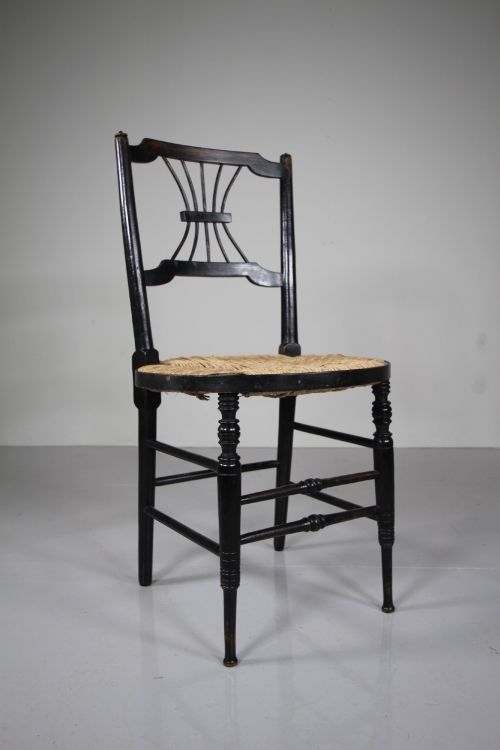
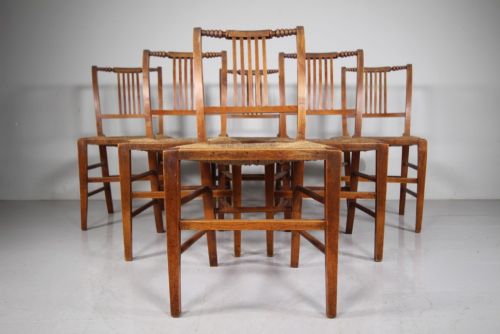
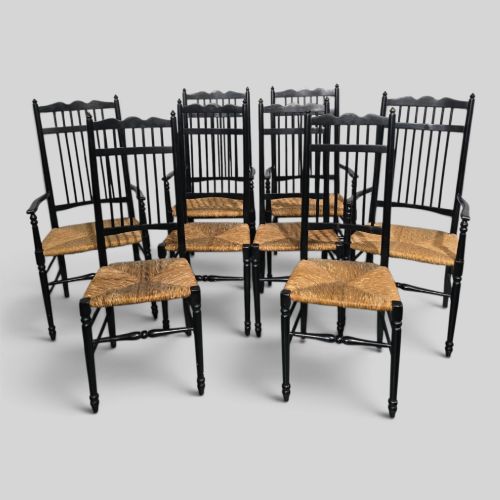
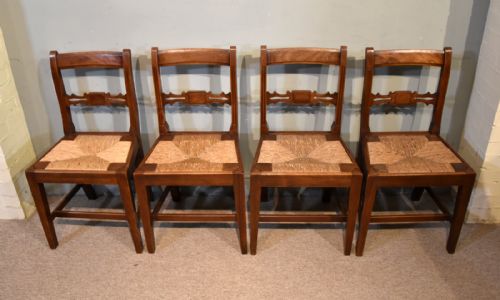
A woven rush dining chair unites sturdy wooden frames with seats plaited from natural marsh grasses, forming an enduring staple of country and vernacular domestic life. These pieces span centuries of rural joinery, encompassing simple single seats alongside substantial sets made for farmhouse kitchens.
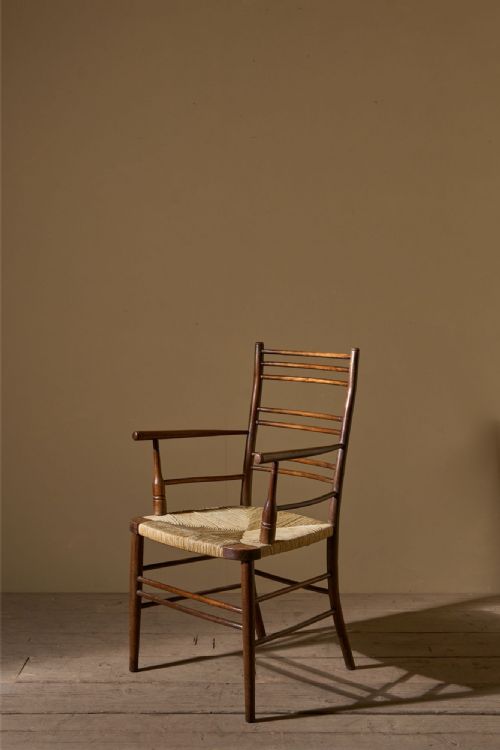
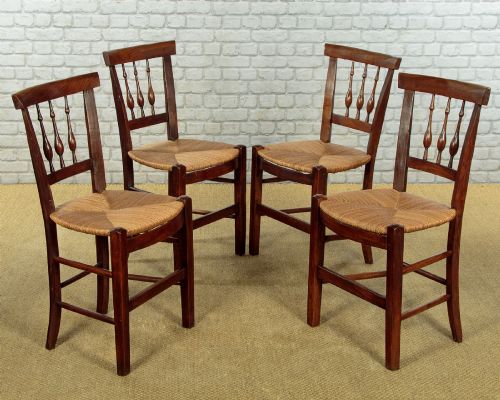
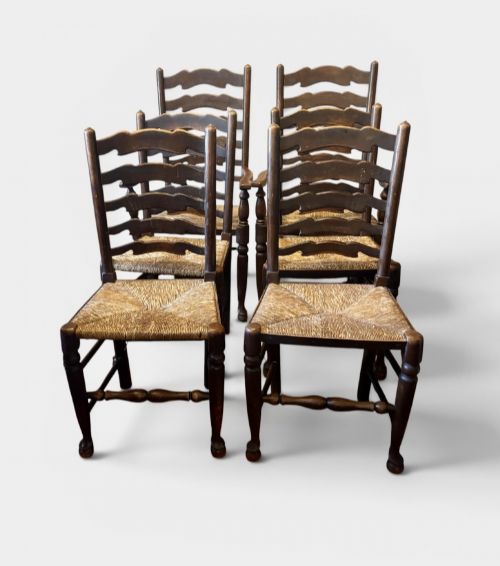
You will frequently encounter ladderback, spindleback, and high-back forms rooted in English, French, and regional traditions. The selection ranges from unpretentious elm and fruitwood country chairs to sophisticated Arts and Crafts designs by notable makers.
Makers shaped these items using local timbers such as oak, ash, beech, and fruitwood, paired with tightly twisted rush to support daily dining. Many pieces survive in sets, offering matched seating that has weathered generations of domestic use.
What varies in quality
The calibre of a woven rush dining chair rests on the crispness of the timber turnings, the tightness of the frame joints, and the density of the rush weave. Heavier framing timbers and neatly packed rush indicate superior workshop execution.
Provenance and design attribution also set individual examples apart, moving from utilitarian vernacular seating to documented Arts and Crafts pieces bearing distinct maker aesthetics. The integrity of the original wood grain and the skill of the seat weaver dictate the standing of each piece.
Woven Rush Dining Chair Retail Price Guide 2026
Typical asking prices for woven rush dining chair among the pieces listed under this phrase on Sellingantiques today, from the lower quarter to the upper quarter. They describe what is for sale here now, not the wider market.
Materials recorded across the selection include rush, oak, elm, fruitwood, ash, beech, and ebonised finishes.
Rossetti·Dicon Nance·Edward Gardener·Philip Webb·Heals
The Woven Rush Dining Chair Glossary
- Rush
- Dried marsh grass plaited to form flexible, resilient seating surfaces. It provides a natural texture that breaks in comfortably with use.
- Ladderback
- A chair back featuring horizontal wooden rails stacked vertically between the upright posts. This traditional form offers strong structural support.
- Spindleback
- A chair back constructed with multiple thin, turned wooden uprights. These vertical spindles distribute weight evenly and lighten the visual load of the frame.
- Vernacular
- Everyday regional design shaped by local materials and practical needs rather than academic architectural rules. Such furniture reflects the traditional craft habits of specific rural areas.
- Súgán
- An Irish term for a twisted straw or hay rope used to make chair seats. These plaited seats share a similar rustic function with English rush seating.
Woven Rush Dining Chair: Frequently Asked Questions
How do I care for rush seats?
Keep rush seating in rooms with stable humidity to prevent the natural fibres from becoming brittle or absorbing excessive moisture. Avoid soaking the woven surface during cleaning, opting instead for gentle dusting and occasional dry brushing.
Allow air circulation around the chairs and avoid placing them directly against heated radiators. With sensible handling, natural rush develops a warm patina that complements the aged timber frame.
Are these chairs comfortable for daily dining?
The woven rush provides a supportive surface that flexes slightly under your weight, making them well suited for long meals. Their upright vernacular frames encourage an attentive posture around the dining table.
Most examples were built specifically for heavy kitchen and dining use by households over generations. Adding simple seat pads is optional if you prefer extra softness during extended sittings.
How do I distinguish regional styles?
English country models typically rely on sturdy elm, oak, or fruitwood with straightforward ladderback or spindleback frames. French provincial versions often introduce softer curves, hoof feet, and lighter fruitwood timbers.
Irish súgán chairs utilise plaited straw seats within local ash frames, while Arts and Crafts interpretations emphasise clean architectural lines and named designer provenance. Comparing the turning details helps pinpoint the origin.
Can damaged rush seats be repaired?
Skilled craftspeople can completely re-weave damaged rush seats using traditional marsh grasses and techniques. A professional restorer wraps new rush around the original wooden rails to match historical methods.
Minor surface fraying can often be stabilised without a complete replacement of the seat. Maintaining the structural integrity of the timber frame ensures the chair remains ready for re-weaving when necessary.