




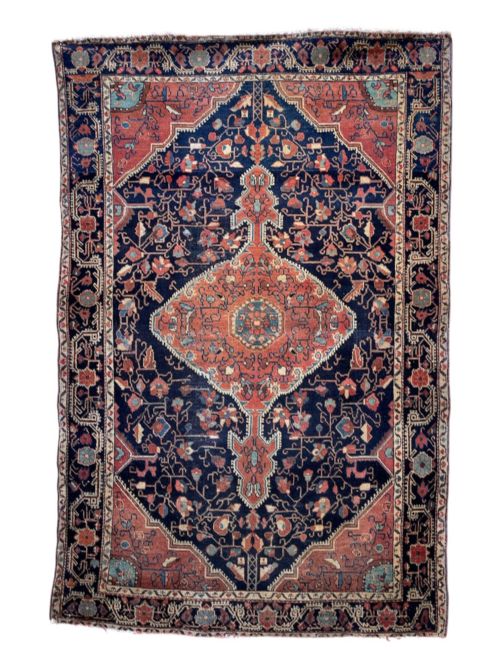
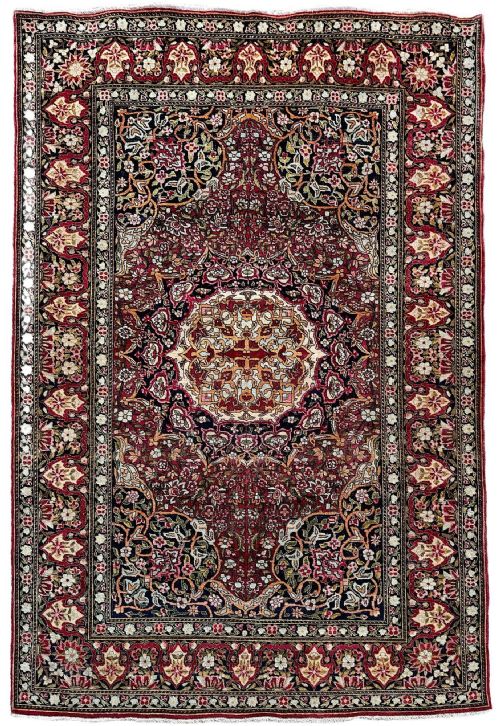
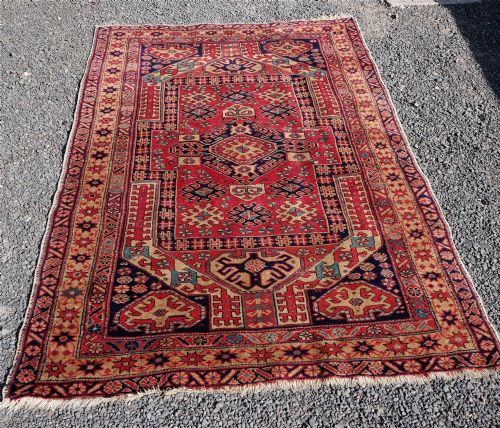
Woven Persian Rug
When you search for a woven persian rug, you encounter centuries of textile artistry spanning village workshops, nomadic camps and city looms.
Woven Persian Rug
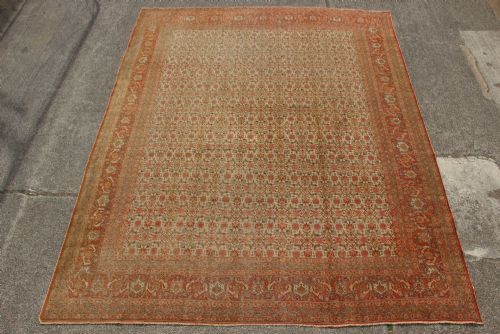
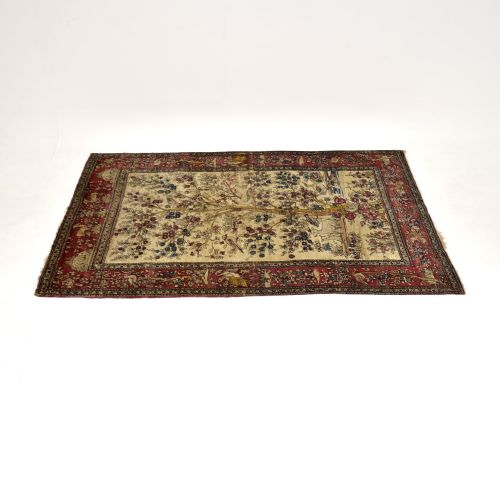
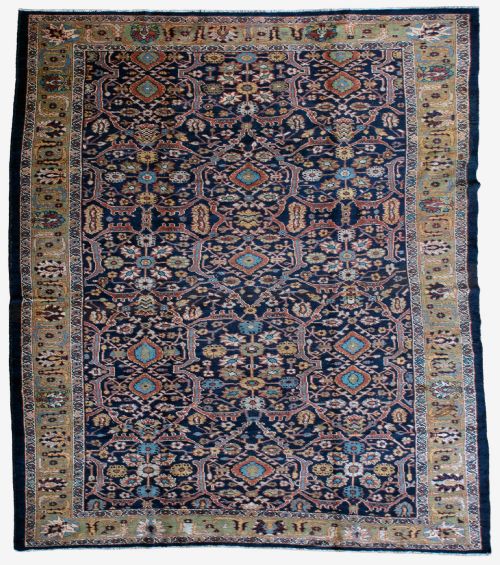
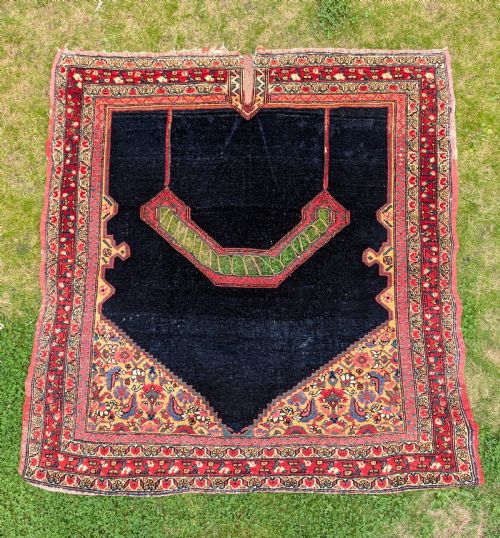
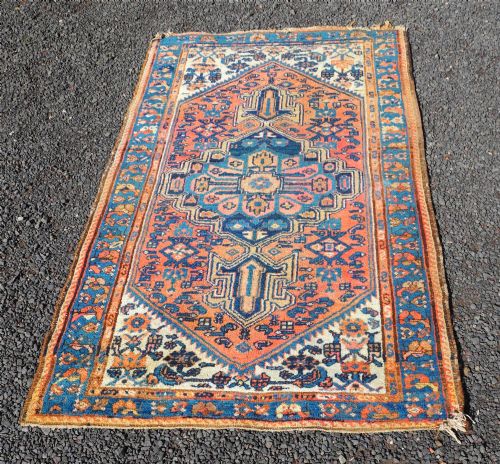
A woven persian rug brings together centuries of regional weaving traditions, ranging from large city carpets to small tribal bags and saddle covers. Buyers encounter pieces originating from specific hubs such as Heriz, Tabriz, Isfahan, and Hamadan, alongside pieces created by nomadic confederacies like the Qashqai and Afshar.
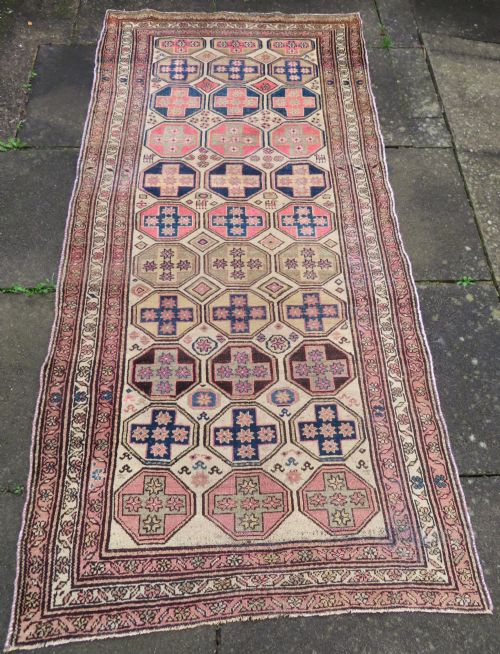
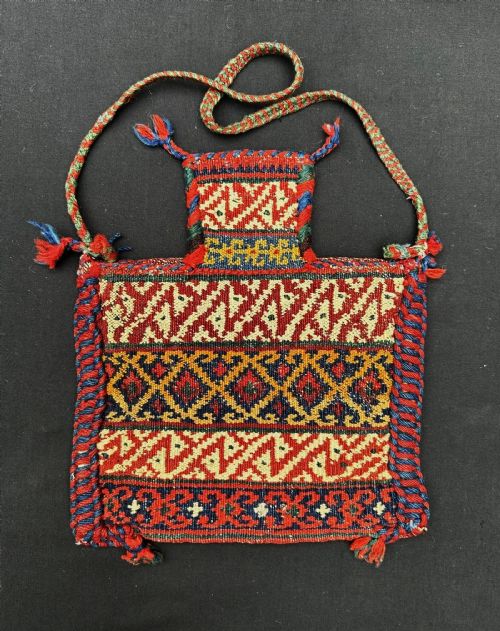
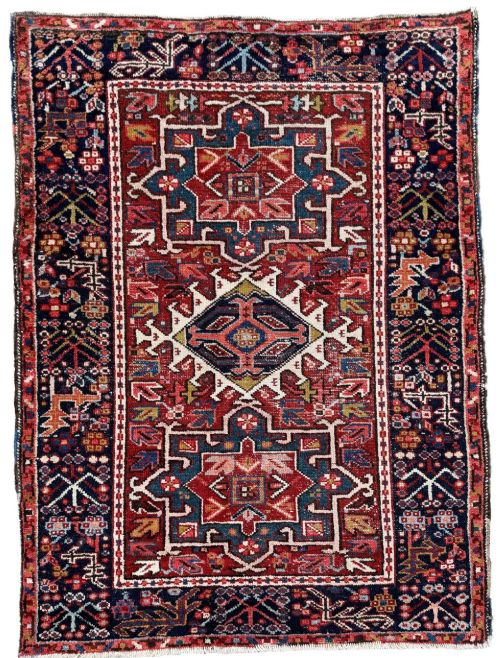
The format varies extensively, encompassing room-sized carpets, hearth rugs, runners, and utility textiles such as salt-bags and vanity-bags. Village and tribal examples often display geometric medallions and repeating motifs, whereas urban workshops frequently utilise elaborate floral arrangements and tree of life compositions.
Dating across the selection stretches from the nineteenth century through the early decades of the twentieth century. Pieces from this span show the persistent use of traditional hand-knotting methods passed down through generations of makers.
Materials and Construction
The foundation relies on hand-spun wool and cotton, providing the structural integrity for dense knotting. Silk appears in select urban pieces, sometimes utilised for highlights or fine pile work.
Natural dyes impart the characteristic colour palette, creating subtle variations and depth across the field. Artisans secure the wool or silk pile onto warp and weft foundations using hand-knotting techniques characteristic of specific Persian regions.
The listings span nineteenth-century pieces up to the 1930s, featuring wool, cotton, silk, and natural dyes across diverse Persian regional styles.
Evaluating Quality and Execution
Quality rests on the density of the knotting and the precision of the design execution. Tighter knots allow intricate curves and crisp geometric lines to emerge clearly across the surface.
The choice of materials influences durability and visual depth, with hand-spun wool and natural dyes yielding softer patinas over time. The consistency of the weave and the balance of the central medallion or overall pattern separate standard utility pieces from exceptional examples.
Afshar Nomads·Bakhtiar·Hamadan·Heriz·Isfahan·Khamseh·Qashqai·Saroukh·Tabriz
The Woven Persian Rug Glossary
- Medallion
- A central ornamental motif placed in the middle of the rug field. This design element often anchors the entire composition of geometric and floral carpets.
- Warp
- The vertical threads stretched lengthwise on the loom before knotting begins. The exposed ends of these threads frequently form the fringe.
- Weft
- The horizontal threads passed across the warp strands to lock the knots in place. Multiple weft rows are beaten down firmly after each row of knots.
- Pile
- The vertical surface of the rug formed by the cut ends of knotted yarn. The height and density of this layer affect both the tactile feel and visual clarity.
- Kilim
- A flat-woven textile produced without a raised pile. These pieces rely on interlocking weft techniques to create crisp geometric patterns.
Woven Persian Rug: Frequently Asked Questions
How do I identify a tribal rug?
Tribal pieces usually display bold geometric patterns, memory-driven designs, and asymmetric layouts reflecting the maker's surroundings. They often incorporate materials like hand-spun wool and natural dyes.
Such rugs tend to be smaller in format, including scatter sizes, runners, and functional bags created by nomadic confederacies.
What is the difference between a carpet and a rug?
Distinctions generally relate to physical scale rather than construction methods. Carpets describe larger floor coverings intended to anchor an entire room.
Smaller formats, such as hearth sizes or area rugs, serve more compact spaces or specific functional areas within a house.
How should I care for an old wool rug?
Routine maintenance involves gentle vacuuming without a rotating brush bar to protect the wool pile and delicate foundation threads. Professional cleaning suited to antique textiles preserves the natural dyes and fibres.
Placing the textile away from prolonged direct sunlight prevents fading across the dyed wool and silk elements.
Why do some rugs feature silk highlights?
Silk was selectively introduced in specific urban workshops to accentuate particular design elements like floral outlines or borders. This material catches the light differently than wool, adding visual depth to the composition.
Such pieces usually reflect higher execution standards and originate from major weaving centres like Isfahan or Tabriz.