




Woven Persian Carpet
When you search for a woven persian carpet, you seek the dense pile, rich colour, and enduring hand-knotted artistry of a centuries-old textile tradition.
Woven Persian Carpet
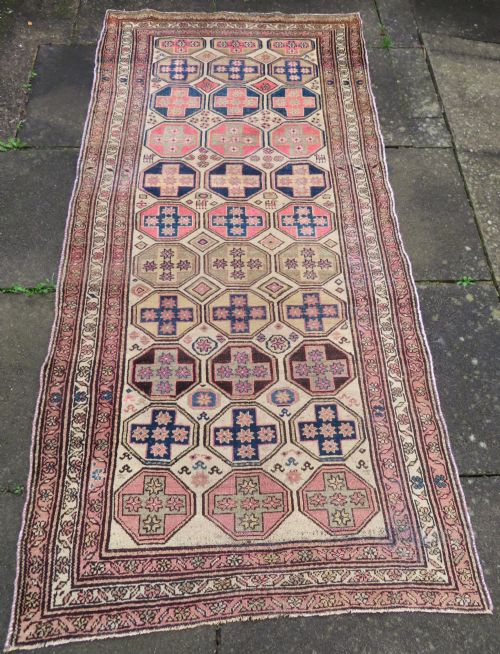
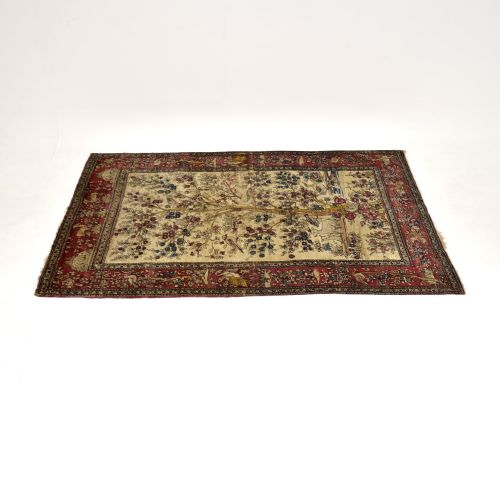
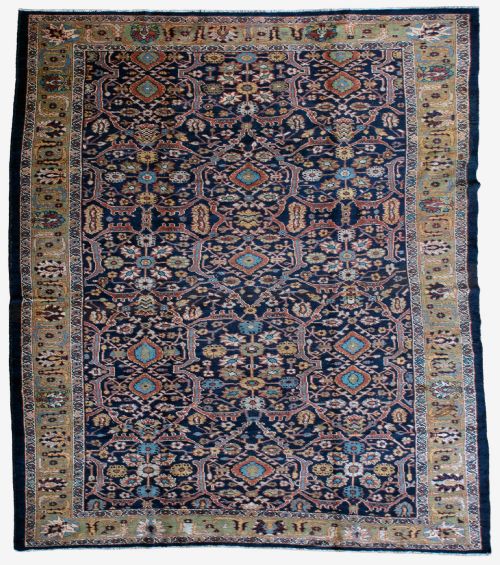
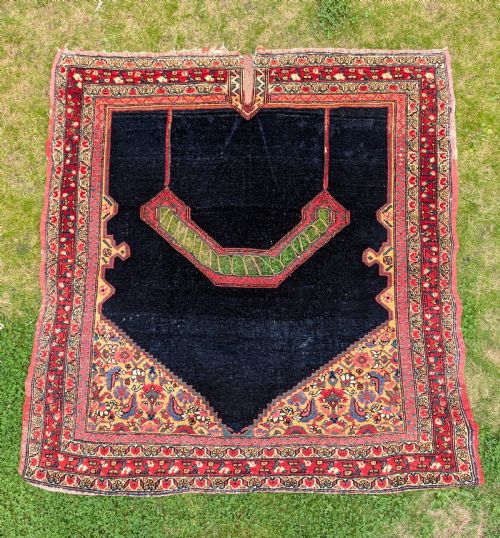
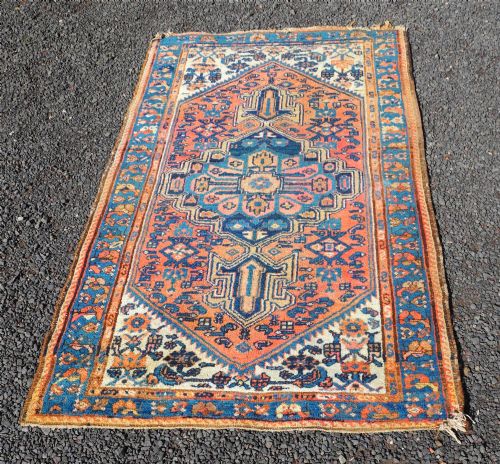
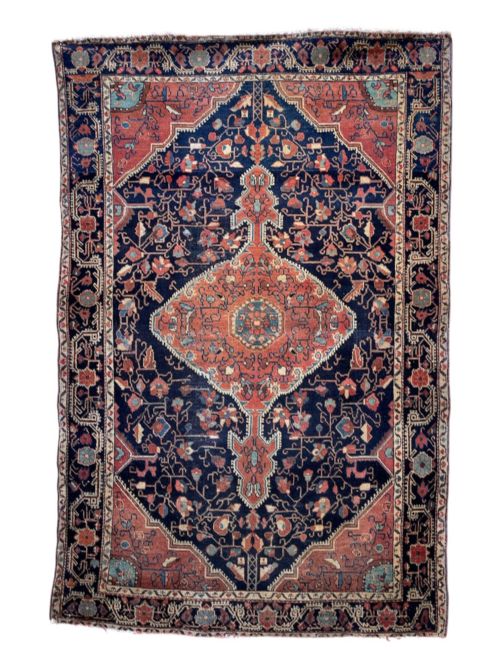
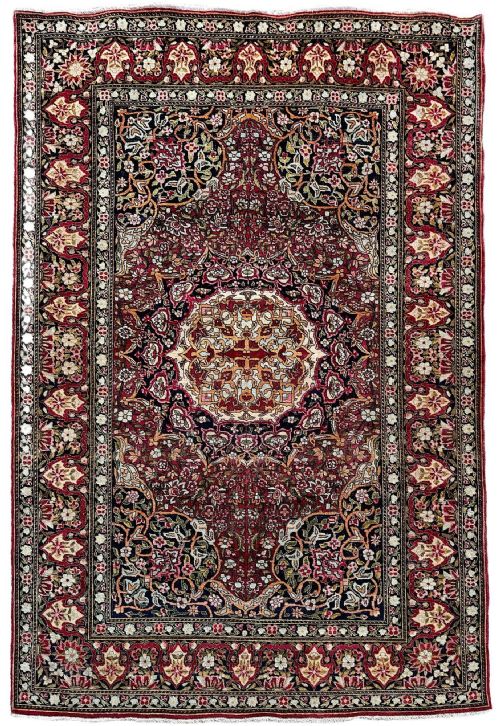
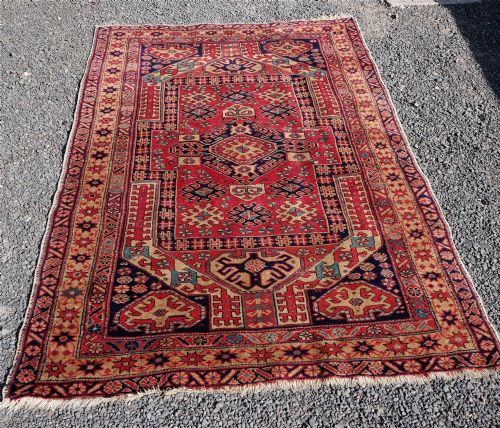
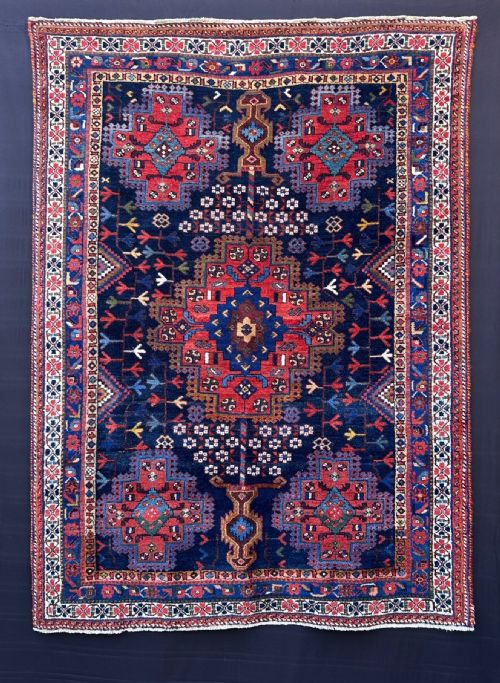
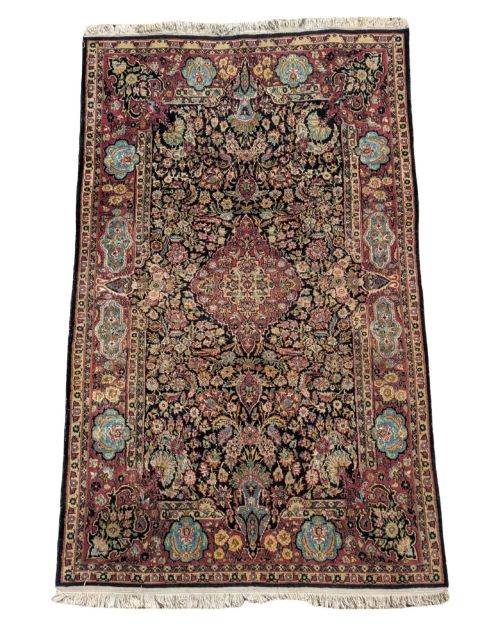
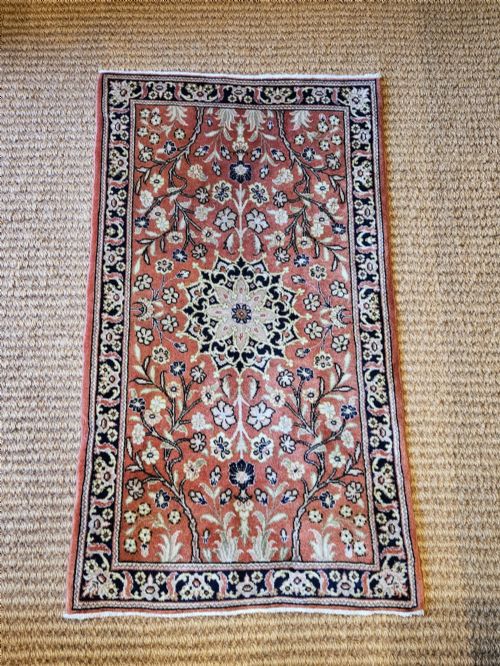
A woven persian carpet encompasses everything from large room-sized floor coverings to small village rugs, tribal carpets, saddle covers, and kilims. These textiles originate from specific urban centres, rural villages, and nomadic confederacies across Persia, capturing diverse regional aesthetics.
The versions most commonly met on this page span the late nineteenth century through to the early decades of the twentieth century. They include village productions from Hamadan, Heriz, and Mahal, alongside nomadic pieces from Afshar, Khamseh, and Bakhtiar tribes.
Buyers encounter formats ranging from grand hallway runners and hearth-sized mats to intricate saddle bags and main carpets. Each piece reflects the functional needs and artistic heritage of its makers, whether woven for domestic use or nomadic travel.
What Varies in Quality
Knot density and the precision of the weave dictate the structural integrity of the carpet, with tighter knots allowing for sharper, more intricate geometric or floral motifs. Finer wool selection also contributes to a softer handle and a more lustrous finish over decades of wear.
The depth and harmony of the natural dye palette separate standard village weaving from exceptional examples. Artisans who mastered dye baths achieved lasting saturation and nuanced shading that remain stable and vibrant as the wool ages.
Woven Persian Carpet Retail Price Guide 2026
Typical asking prices for woven persian carpet among the pieces listed under this phrase on Sellingantiques today, from the lower quarter to the upper quarter. They describe what is for sale here now, not the wider market.
Some nineteenth-century tribal weavers tucked tiny protective amulets directly into the wool foundation.
The Woven Persian Carpet Glossary
- Abrage
- Natural tonal variation within a field of colour caused by differences in dye batches or hand-spun wool. This subtle striping indicates traditional dyeing methods rather than chemical processing.
- Warp
- The vertical foundation threads stretched tightly on the loom before knotting begins. The fringe of a carpet typically consists of these extended warp threads.
- Weft
- The horizontal threads passed alternately over and under the warp threads to secure the rows of knots. Together with the warp, they form the sturdy grid backing of the textile.
- Kilim
- A flat-woven carpet or rug produced without a pile by tightly interweaving warp and weft strands. These lightweight textiles served versatile purposes in nomadic households.
- Medallion
- A central ornamental design motif placed in the middle of the carpet field. Traditional weavers often oriented these geometric or floral centrepieces with symbolic intent.
Woven Persian Carpet: Frequently Asked Questions
How do I clean an old carpet?
Gentle surface brushing and professional specialist washing preserve the natural wool fibres and historic dyes. Avoid harsh chemical treatments and excessive water immersion.
Regular light vacuuming without a beater bar prevents dust accumulation in the dense pile. Specialist textile conservators can safely address deeper soil without compromising the structural integrity of the foundation.
Can I place these on heated floors?
Underfloor heating is generally acceptable provided the temperature remains moderate and stable. Extreme dry heat can dessicate historic natural wool and cotton foundations.
Using a breathable underlay helps distribute warmth evenly and prevents the carpet from sliding on hard surfaces. Inspect the underside periodically to ensure the fibres do not become overly dry or brittle.
How do I distinguish regional styles?
Regional identity reveals itself through distinct structural characteristics, colour palettes, and recurring motifs. Heriz carpets often feature bold geometric medallions, whereas Isfahan pieces display refined floral curves.
Examining the selvedge binding, knotting technique, and wool texture further clarifies the specific village or tribal workshop of origin. Reference literature on Persian weaving provides detailed comparisons for attribution.
Are these suitable for high traffic areas?
Traditional hand-knotted wool carpets possess inherent durability that withstands regular foot traffic. The lanolin naturally present in hand-spun wool resists dirt and cushions the pile against compression.
Rotating the placement periodically ensures even wear across the surface. Entryways and heavy corridors benefit from placing these textiles where the weight distributes evenly.