



Woven Horse Cover
A woven horse cover is a striking tribal textile designed for animal display, offering rich geometric patterns and authentic nomadic heritage.
Woven Horse Cover
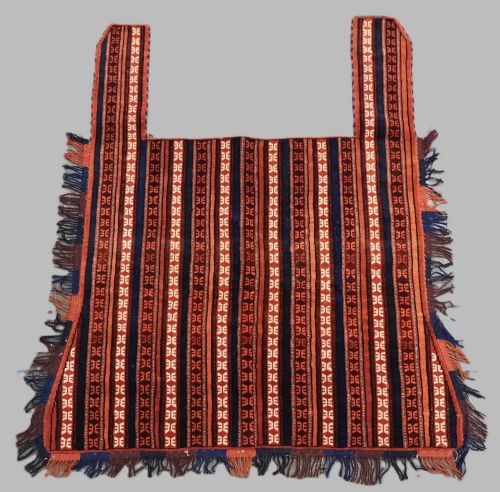
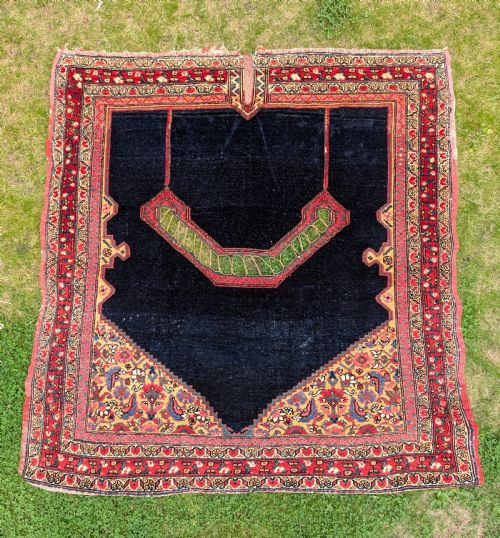
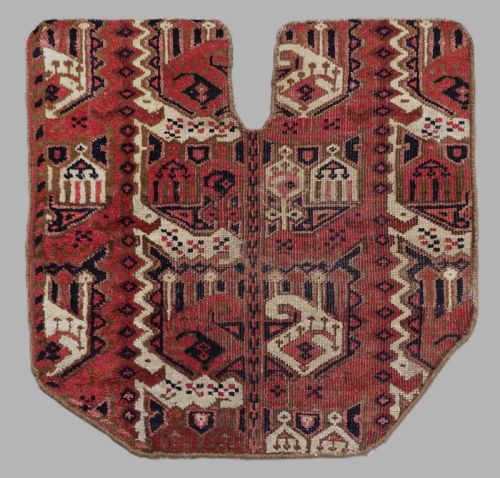
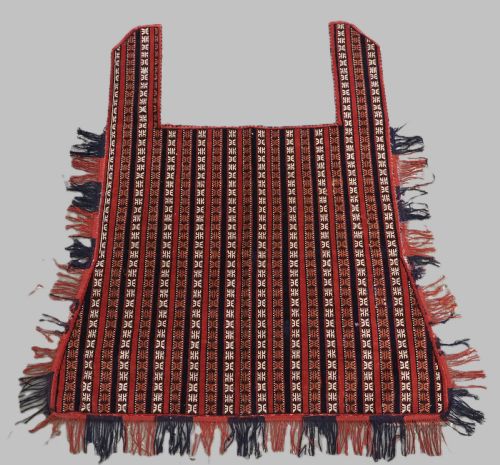
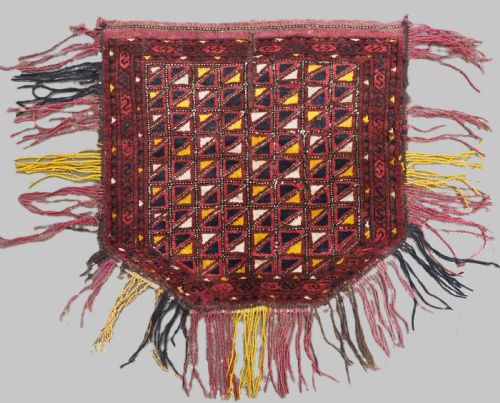
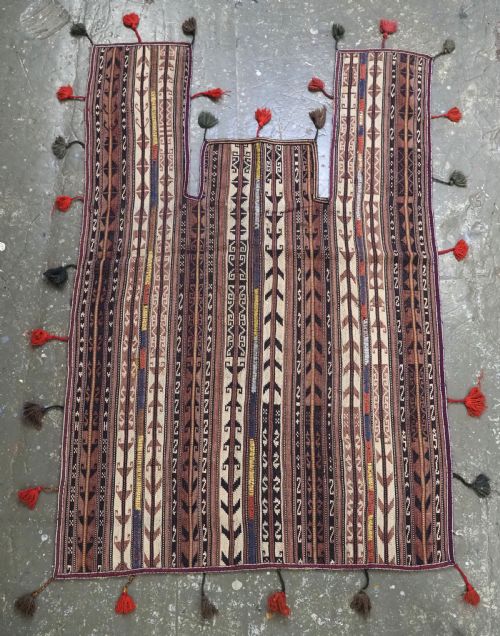
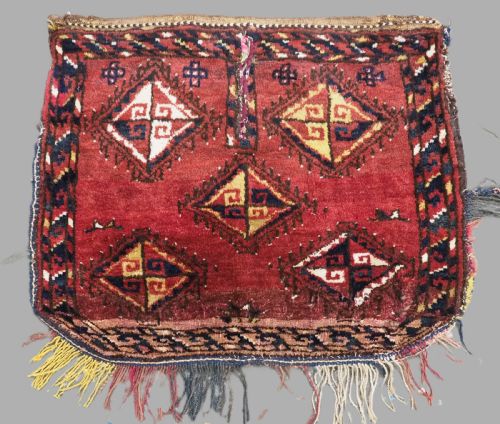
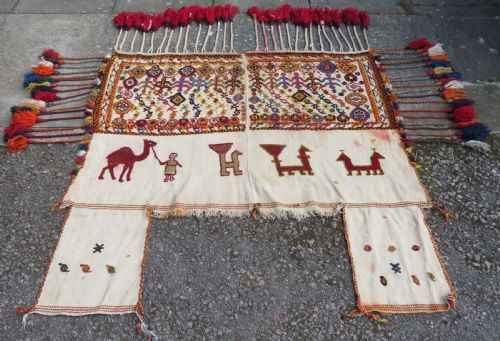
A woven horse cover represents the pinnacle of nomadic textile artistry, created by tribal groups across Central Asia and Persia for ceremonial use and animal adornment. When you search for a woven horse cover, you encounter specialised saddle rugs and blankets produced by distinct tribal confederations from the nineteenth and early twentieth centuries.
The pieces appearing on this page originate from Yomut, Ersari, and Beshir Turkmen weavers, alongside examples from Senneh, Uzbekistan, Northern Afghanistan, and Qashqai tribes of South West Persia. Forms range from utilitarian saddle covers to elaborate ceremonial blankets featuring original tassels and robust flatweave or pile construction.
How they were made
These textiles rely on sturdy wool and cotton foundations, spun and woven by hand on portable tribal looms to withstand rugged nomadic conditions. Artisans utilised natural dyes to achieve deep, lasting hues that ground the intricate geometric designs typical of tribal weaving.
The construction often incorporates specialised finishing techniques, such as original tassels and reinforced edges, ensuring the blankets and saddle rugs functioned practically while serving ceremonial roles.
Woven Horse Cover Retail Price Guide 2026
Typical asking prices for woven horse cover among the pieces listed under this phrase on Sellingantiques today, from the lower quarter to the upper quarter. They describe what is for sale here now, not the wider market.
Some covers retain their original handmade tassels, bouncing rhythmically as the horse once walked across the desert.
What varies in quality
Quality in these textiles rests upon the precision of the tribal weave, the complexity of the design layout, and the depth of the natural dye palette. Superior examples display tightly packed knots or dense flatweave structures that maintain structural integrity.
The Woven Horse Cover Glossary
- Tribal textile
- A piece woven by nomadic or village populations, typically displaying traditional geometric patterns tied to a specific group or region. These items served functional or ceremonial purposes within daily nomadic life.
- Saddle cover
- A smaller textile designed to fit directly beneath or over a riding saddle, often shaped to conform to an animal's back. They bridge utilitarian horse tack and decorative weaving.
- Natural dye
- Colour derived from plant, insect, or mineral sources rather than synthetic compounds. These dyes yield rich, complex tones that age gracefully over decades.
- Pile
- The vertical or diagonal loops of yarn that form the plush surface of a rug or blanket. It provides warmth and cushions the animal during transport.
Woven Horse Cover: Frequently Asked Questions
How were horse covers used?
Nomadic communities used these textiles to cover horses during festive processions, weddings, and important tribal gatherings. They served both as status symbols and protective layers for riding animals.
Over time, many of these pieces transitioned from active tribal gear into treasured collectible textiles valued for their regional designs and historical craftsmanship.
How do I live with a tribal horse blanket?
Living with a tribal textile involves displaying it in a manner that protects the wool and cotton fibres from direct sunlight and heavy foot traffic. Many collectors mount these pieces on walls or place them on low-use furniture.
Gentle vacuuming without a beater bar and professional textile cleaning help preserve the natural dyes and structural integrity of older nomadic rugs.
How do I identify different tribal origins?
Identifying tribal origins requires examining the specific geometric motifs, border arrangements, and colour palettes characteristic of groups like the Yomut Turkmen or South West Persian Qashqai. Each region employed distinct structural techniques and design vocabulary.
Comparing structural details and wool quality against established regional examples helps clarify whether a piece originates from Central Asia, Afghanistan, or Persia.