



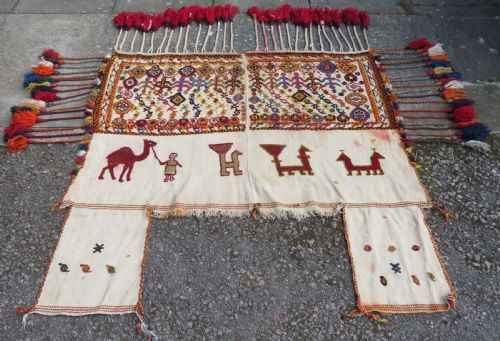


Nomadic Woven Blanket
A nomadic woven blanket brings rich tribal texture and history into a room, offering warm wool panels made for travel and camp life.
Nomadic Woven Blanket
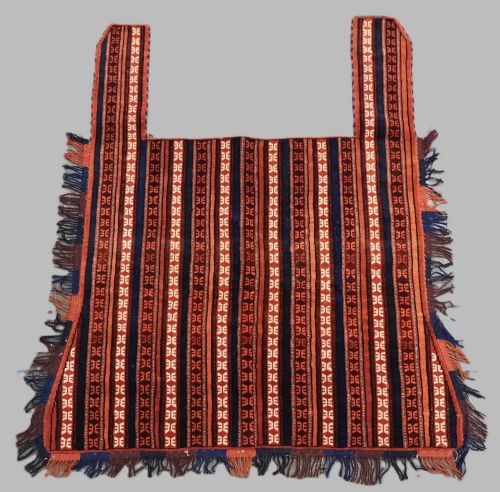
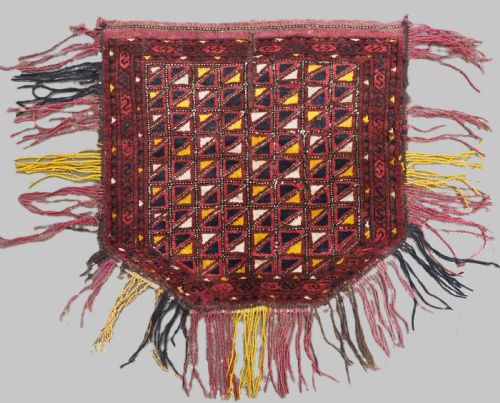
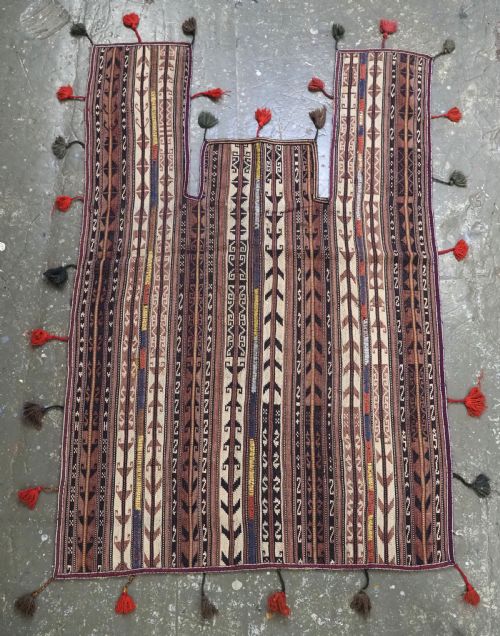
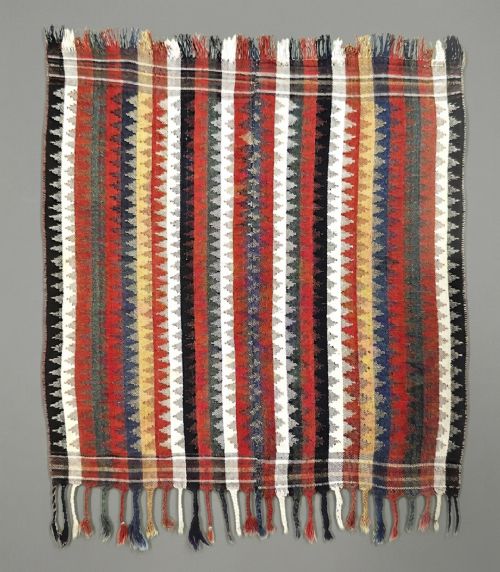
A nomadic woven blanket is a portable textile created by tribal groups across Central Asia and Persia for practical camp use or ceremonial purposes. When exploring a nomadic woven blanket, buyers encounter horse covers, saddle covers, kilim panels, and rugs woven in distinct regional workshops and camps. These textiles reflect the specific traditions of Turkmen, Afghan, and Persian tribal makers working across the nineteenth and early twentieth centuries.
The objects seen on this page span the years from eighteen fifty to nineteen twenty, capturing an era of traditional pastoral production. Forms range from large horse blankets and textile panels to kilim rugs and multi-strip coverings. Each piece demonstrates the utilitarian roots of tribal weaving transformed into decorative furnishing.
Materials and construction methods
Makers utilised wool and cotton to construct these durable textiles, spinning local fibres by hand before weaving them on portable ground looms. Many pieces, such as the Uzbek Kungrad panels and Afghan kilims, were constructed in multiple narrow strips or parts and then joined together to create the desired width for a blanket or cover.
Tribal weavers incorporated structural details such as original tassels and geometric chevron designs into the fabric during the weaving process. The reliance on sturdy wool ensures heavy texture and resilience, characteristic of textiles produced for nomadic movement and animal transport.
Nomadic Woven Blanket Retail Price Guide 2026
Typical asking prices for nomadic woven blanket among the pieces listed under this phrase on Sellingantiques today, from the lower quarter to the upper quarter. They describe what is for sale here now, not the wider market.
Materials recorded across current inventory consist exclusively of wool and cotton, worked into horse covers, saddle rugs, and kilim panels.
Distinctions in quality and execution
The standard of a nomadic woven blanket is measured by the tightness of the weave, the clarity of the tribal motifs, and the preservation of original elements like tassels and selvedges. Pieces originating from specific tribal groups, such as Yomut Turkmen or Qashqa'i weavers, display varying degrees of precision in their geometric layouts and panel assembly.
Condition and completeness dictate the standing of individual pieces within the range. Textiles retaining their full structural integrity across joined sections and original decorative fringes represent the higher tier of survival from these pastoral traditions.
Yomut Turkmen·Ersari Turkmen·Qashqa'i Tribes·Teke Tribes·Baluch Tribes
The Nomadic Woven Blanket Glossary
- Kilim
- A flatweave textile produced without a pile by tightly interweaving warp and weft threads. This technique creates a smooth surface decorated with sharp geometric patterns.
- Chuval
- A large storage bag or face panel traditionally woven by Turkmen tribes. These items feature distinctive guls and fine wool work.
- Warp
- The stationary vertical threads stretched onto a loom before weaving begins. They form the foundational structure that holds the entire textile together.
- Weft
- The horizontal threads passed across and under the warp threads to build the pattern and fabric. In flatweaves, the weft entirely covers the warp.
- Gul
- A medallion or repeated octagonal motif used in tribal rug and textile design. These patterns often identify the specific clan or region of the maker.
Nomadic Woven Blanket: Frequently Asked Questions
What is a nomadic woven blanket used for?
These textiles served primarily as horse covers, saddle blankets, and utilitarian ground coverings for nomadic camps.
Today, collectors use them as decorative wall hangings, floor rugs, or throws to introduce tribal texture into interior spaces.
How do I care for an old wool blanket?
Protect wool textiles from direct sunlight and damp conditions to prevent fibre degradation and colour fading.
Gentle surface vacuuming without a rotating brush helps remove dust while preserving delicate fringes and old joins.
How are different tribal styles identified?
Tribal attribution relies on specific structural patterns, wool characteristics, and traditional motifs unique to each region.
Persian and Central Asian groups utilised distinct colour palettes and geometric layouts that separate one weaving tradition from another.
Why are some blankets woven in parts?
Portable ground looms used by nomadic weavers had strict width limitations imposed by the frames they could carry.
Weavers solved this by producing narrow panels in two to four separate strips and stitching them together to form a full blanket.