


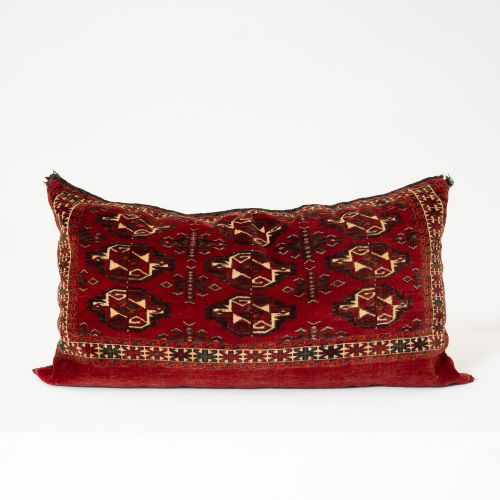


Turkmenistan Tribal Rug
When you search for a turkmenistan tribal rug, you are looking at enduring nomadic weavings from Central Asian steppes and oases.
Turkmenistan Tribal Rug
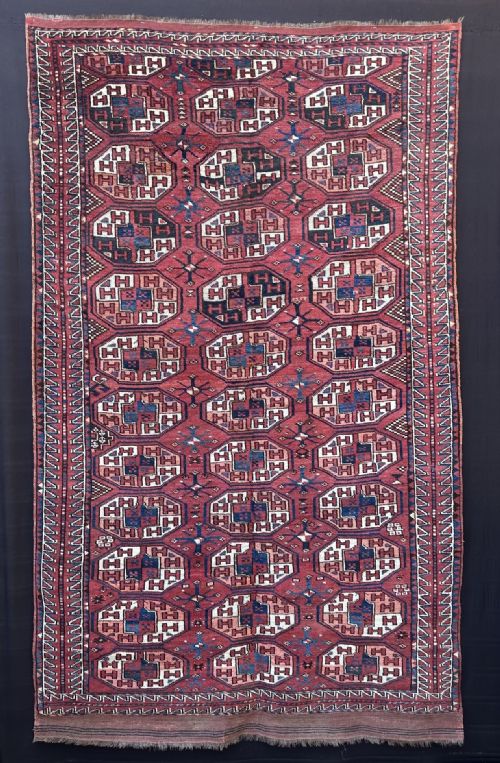
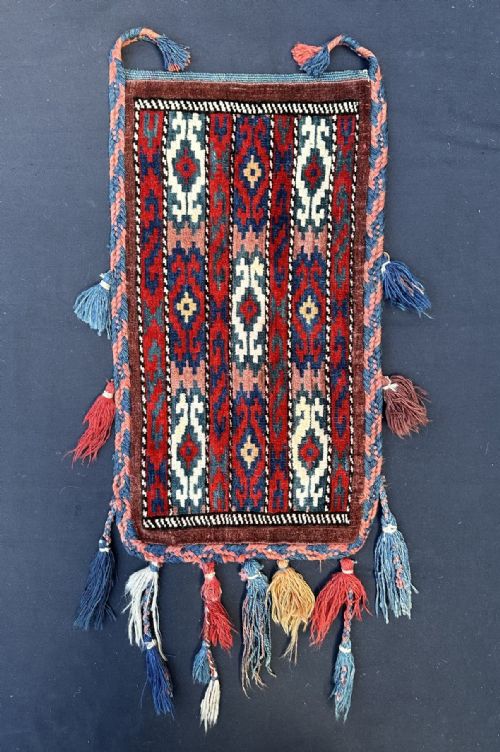
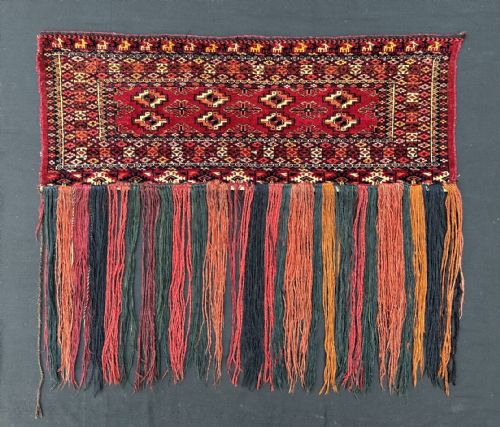
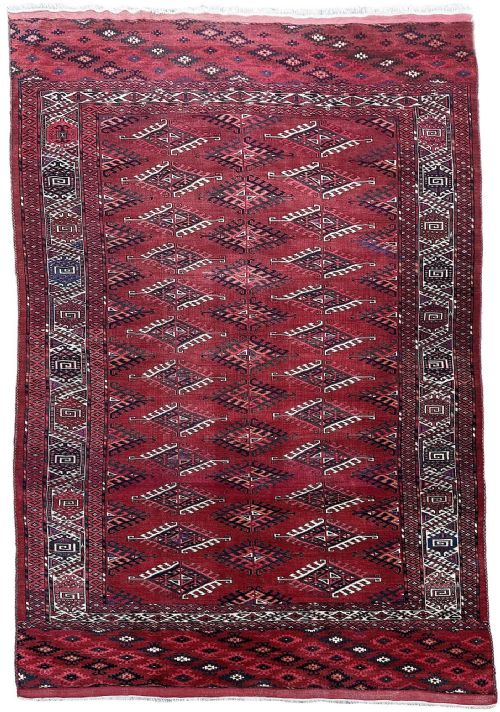
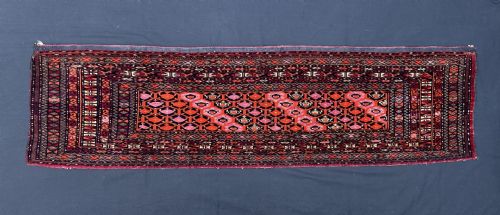
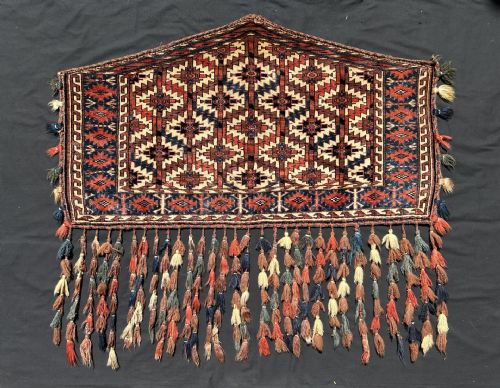
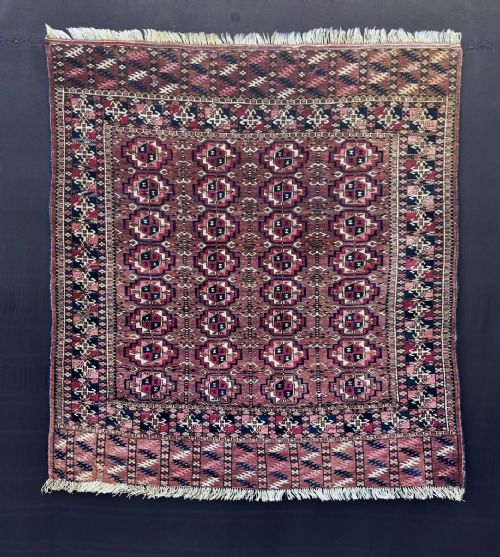
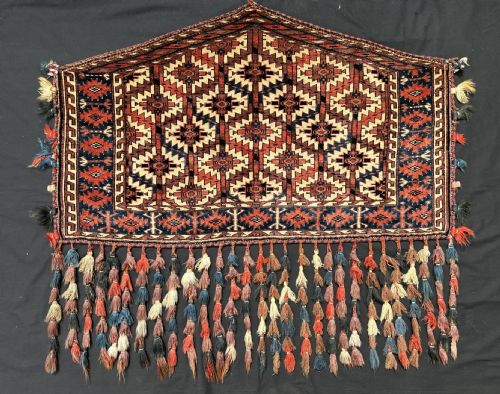
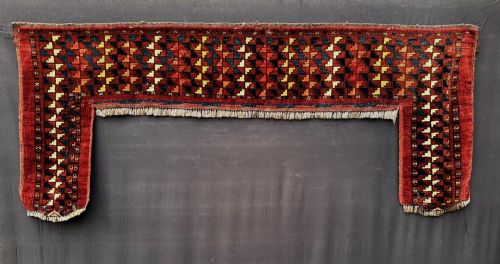
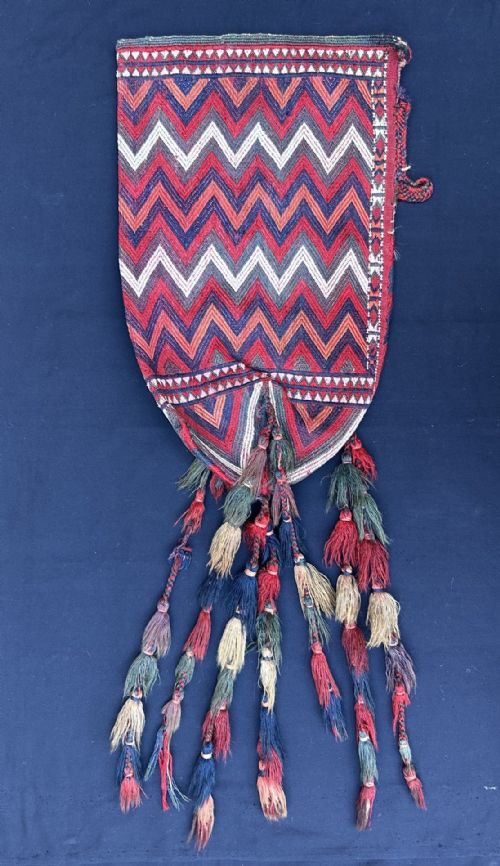
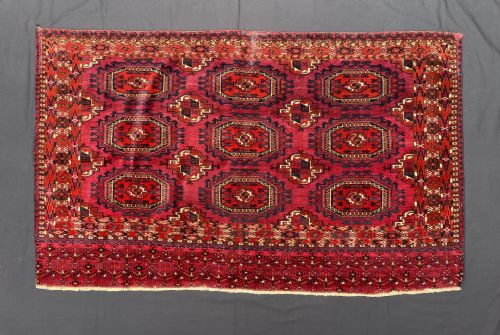
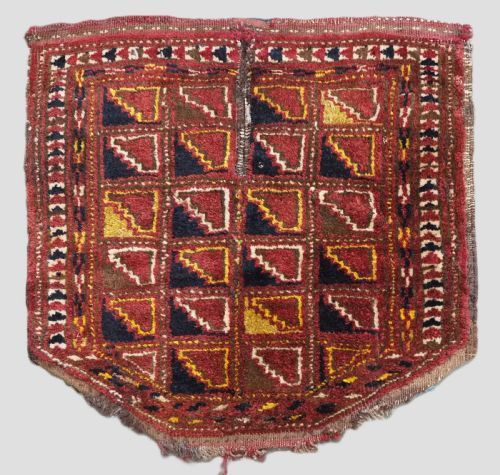
A turkmenistan tribal rug encompasses practical tent furnishings, floor coverings, and ceremonial trappings created by distinct tribal confederations. The selection on this page ranges from large carpets and prayer rugs to specialised storage bags, wedding decorations, and tent bands.
Pieces frequently stem from specific groups such as the Yomut, Tekke, Ersari, Sariq, and Kizyl Ayak tribes. Dating spans from the eighteenth century through to the early twentieth century, reflecting generations of nomadic heritage across regions like the Trans-Caspian Steppes and the Merv Oasis.
Materials and Construction
Weavers relied primarily on wool and hand-spun wool, often combined with cotton and linen foundations depending on the specific tribal origin and function. Natural dyes provided the rich palette characteristic of these textiles, yielding deep reds and contrasting secondary tones.
Construction methods varied from knotted pile carpets to flat weaves, soumak, and cicim techniques. Practical items like chuvals, torbas, and spindle-bags required durable structures to withstand daily nomadic life.
Turkmenistan Tribal Rug Retail Price Guide 2026
Typical asking prices for turkmenistan tribal rug among the pieces listed under this phrase on Sellingantiques today, from the lower quarter to the upper quarter. They describe what is for sale here now, not the wider market.
Materials across these listings exclusively feature wool, hand-spun wool, cotton, linen, and natural dyes.
Assessing the Weaving
Quality rests in the precision of the tribal guls, the saturation and depth of the natural dyes, and the fineness of the knotting or weave. Structural integrity, the retention of original fringes or backs, and the crispness of geometric patterns distinguish exceptional examples.
The handle of the wool and the overall balance of the composition reveal the weaver's skill. Greater care in preparation and dyeing elevates functional items into sophisticated textile art.
Yomut Tribe·Teke Tribes·Ersary Tribes·Sariq Tribe·Kizyl Ayak Tribe
The Turkmenistan Tribal Rug Glossary
- Chuval
- A large storage bag used within the nomad tent for household possessions. These face pieces or complete bags display primary tribal motifs.
- Torba
- A smaller storage bag, typically wider than it is tall, hung on the interior lattice walls of a yurt. They often exhibit intricate subsidiary guls.
- Asmalyk
- A large pentagonal trapping hung on the flanks of a bride's wedding camel during nuptial processions. They represent some of the most decorative tribal weaving.
- Gul
- A repeating primary medallion motif used in Central Asian carpets. Each tribe utilised distinct forms to identify their lineage and heritage.
- Ensi
- A tribal door rug designed to hang over the wooden entrance frame of a yurt. They usually feature a quartered field design separated by a candelabra motif.
Turkmenistan Tribal Rug: Frequently Asked Questions
How were these rugs used in daily life?
Nomadic families utilised these textiles for practical insulation, floor coverings, and storage within yurts. Bags held bedding, clothing, and household goods, while larger carpets defined the living space.
Ceremonial pieces like asmalyks and wedding rugs marked significant milestones such as marriages and tribal gatherings, serving both functional and symbolic roles.
What is an asmalyk?
An asmalyk is a large, often pentagonal trapping created for wedding ceremonies. They were fastened to the flanks of the camel carrying the bride to her new home.
These pieces required considerable skill and were kept as prized possessions rather than everyday floor coverings.
How do I identify different tribal designs?
Different tribal groups relied on specific geometric motifs and colour palettes to signal their origins. The Yomut, Tekke, and Ersari each employed characteristic guls and border patterns.
Examining the structure, wool quality, and secondary colours helps attribute a piece to a particular region or oasis.
How should I care for a vintage tribal rug?
Keep textile art out of direct sunlight to protect natural dyes from fading over time. Gentle vacuuming without a rotating brush roll helps remove embedded dust.
Consult a specialist in antique textiles for professional cleaning rather than attempting wet washing at home.