





Woven Floor Carpet
A woven floor carpet brings warmth and deep texture to a room, drawing on centuries of regional design traditions.
Woven Floor Carpet
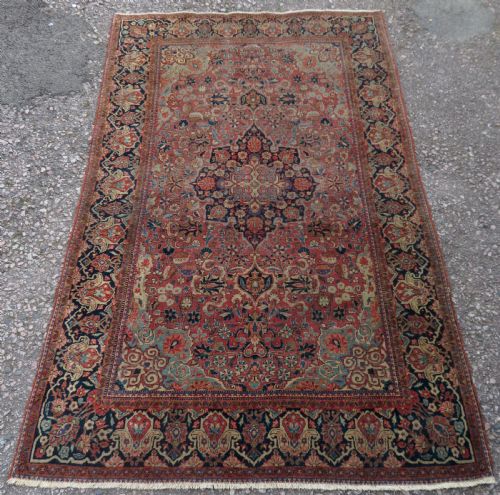
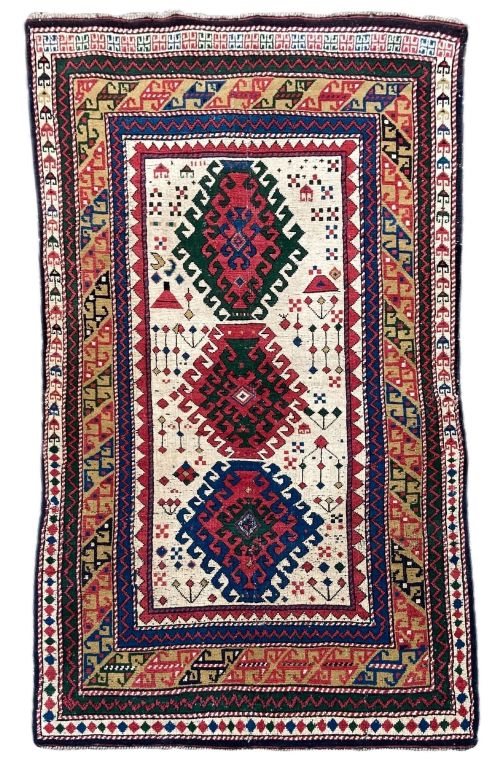
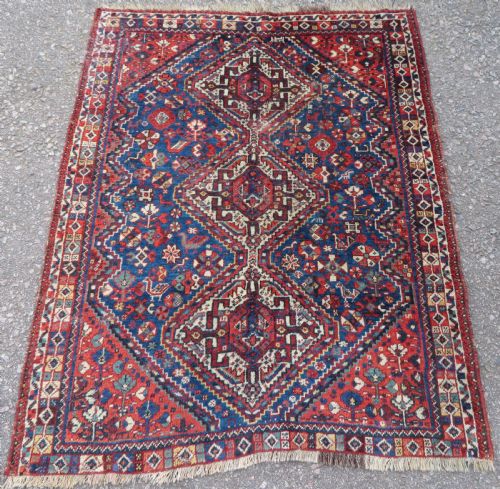
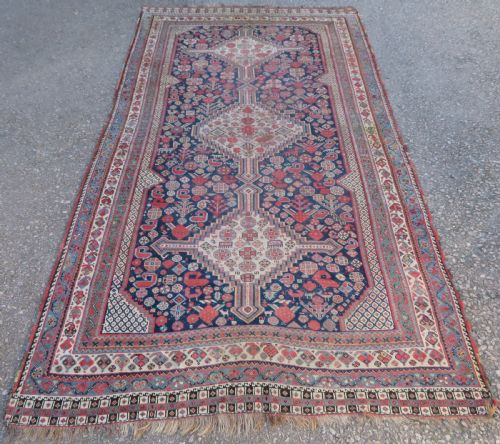
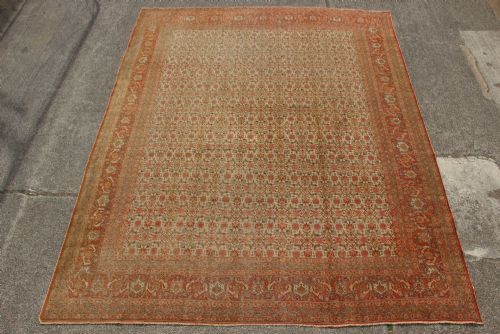
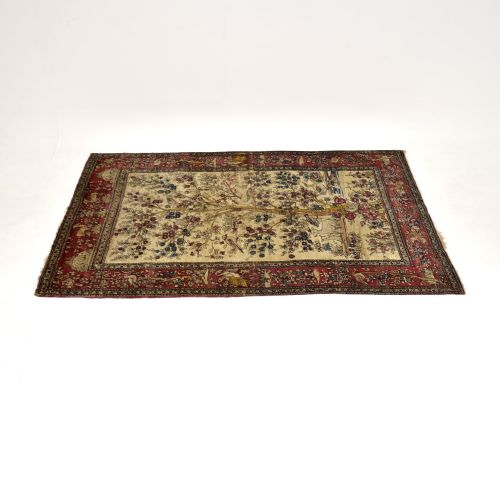
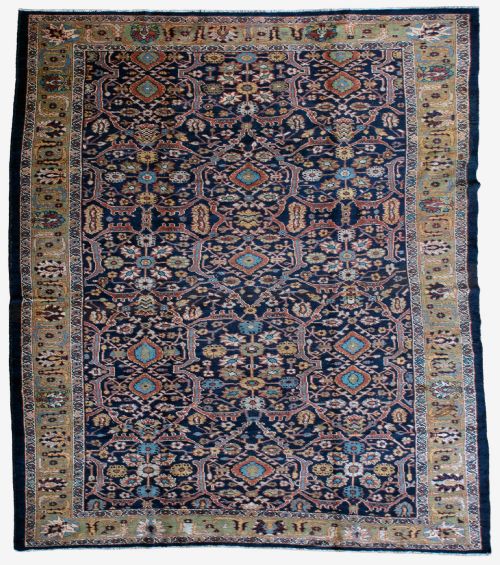
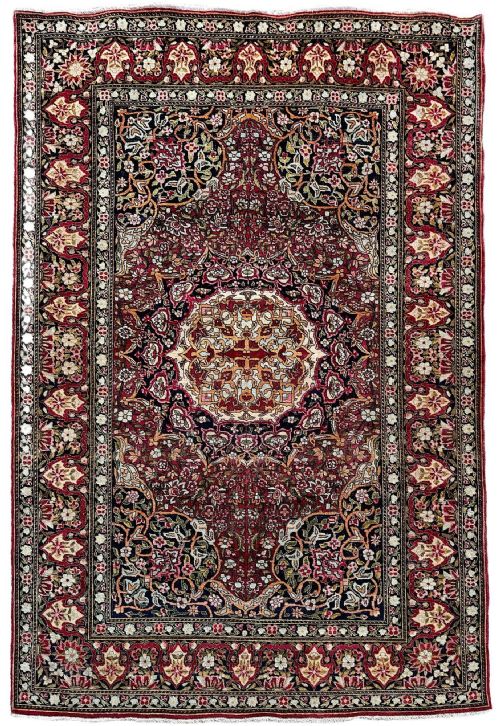
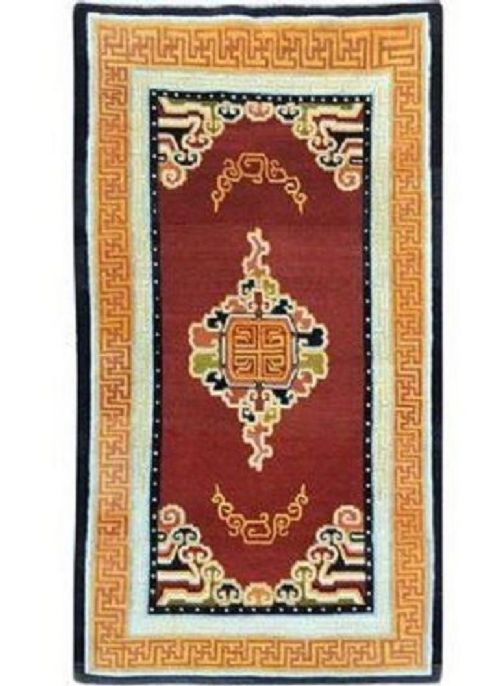
A woven floor carpet encompasses large carpets, area rugs, and hallway runners produced across Persia, the Caucasus, Turkey, Central Asia, and India. These textiles date from the nineteenth century into the early twentieth century, spanning periods from eighteen-fifty to nineteen-thirty.
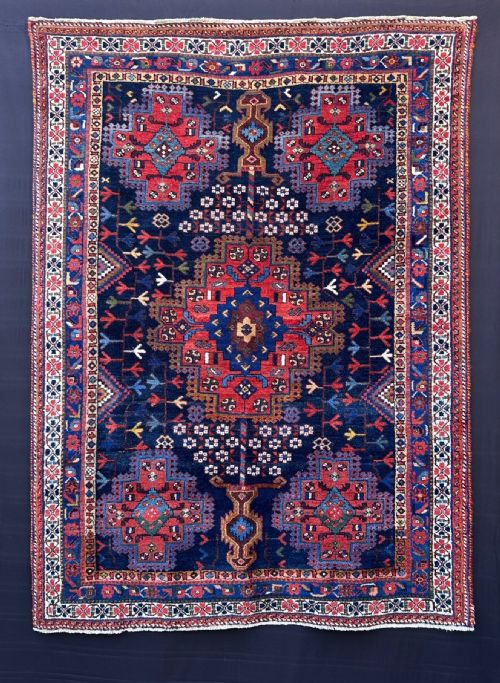
Buyers will encounter regional village and tribal weaves alongside city workshop productions. Common forms include Heriz, Bakhtiar, Afshar, Kazak, and Ushak pieces, each displaying distinct geometric or curvilinear patterns tied to their place of origin.
How they were made
Makers utilised natural materials, relying primarily on wool for durability, with occasional use of cotton foundations and silk highlights. Weaving was executed on vertical or horizontal looms using hand-spun fibres dyed with regional botanical and mineral colourants.
The construction involves knotting pile yarns onto warp and weft threads, creating dense structures designed to withstand heavy domestic use. Specific regions developed characteristic knot counts and structural foundations that define their local technique.
Nomadic weavers occasionally inserted deliberate small errors into geometric borders to ward off the evil eye.
What varies in quality
Quality rests upon the fineness of the weave, the clarity of the design motifs, and the depth of the palette. Tighter knotting allows for crisper execution of traditional patterns and greater longevity underfoot.
The handling of materials also distinguishes the grade of a piece. Superior examples display balanced proportions, harmonious natural colour variations, and supple foundations that lie flat on the floor.
The Woven Floor Carpet Glossary
- Warp
- The vertical threads stretched across the loom that form the structural foundation of the carpet. Fringe ends typically consist of these exposed threads.
- Weft
- The horizontal threads passed between the warp threads to secure the knots in place. They contribute to the rigidity and stability of the textile.
- Pile
- The upright surface of the carpet formed by the cut ends of knotted yarn. Its thickness and material determine the texture and weight of the piece.
- Runner
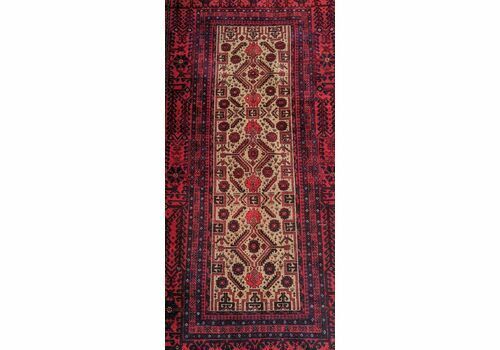
- A long, narrow format designed specifically for hallways and corridors. These rugs guide movement through domestic spaces.
- Medallion
- A central ornamental design motif placed in the middle of the field. It serves as the primary focal point for many traditional regional carpets.
Woven Floor Carpet: Frequently Asked Questions
How do I clean a woven floor carpet?
Regular gentle vacuuming without a beater bar removes loose dirt from the pile. Professional specialist cleaning is recommended for deep washing to protect the natural wool and dye fibres.
Water exposure and harsh chemical detergents should be avoided as they cause fibre degradation and colour running. Prompt attention to spills by blotting prevents permanent staining.
Where should I place a hallway runner?
Hallway runners suit high-traffic corridors and narrow entrance spaces where floor protection is needed. They add warmth and visual interest to transitional areas of the home.
Using an appropriate underlay prevents slipping and cushions the textile against hard stone or timber floors. This extra layer reduces friction between the rug backing and the floorboards.
How do I identify a tribal rug?
Tribal rugs feature geometric motifs, asymmetrical designs, and bold primary colours reflecting nomadic or village traditions. They often display spontaneous variations in pattern compared to formal city workshops.
Materials tend to be robust local wools with thicker piles and visible hand-spun irregularities. The construction methods reflect the portable looms used by weaving communities.
Can I use these carpets in sunny rooms?
Direct sunlight causes natural dyes to fade gradually over extended periods. Rotating the rug periodically ensures even exposure and balanced wear.
Window treatments or UV-filtering glass help protect delicate silk highlights and older wools from intense light exposure. Placing them away from direct southern-facing windows preserves the original palette.