


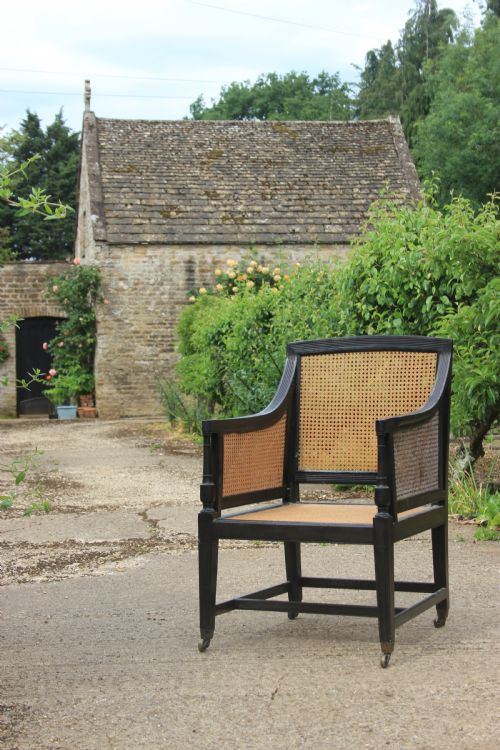

Woven Cane Seat
A woven cane seat brings tactile warmth to a room, offering resilient plant-fibred support shaped by centuries of seating tradition.
Woven Cane Seat
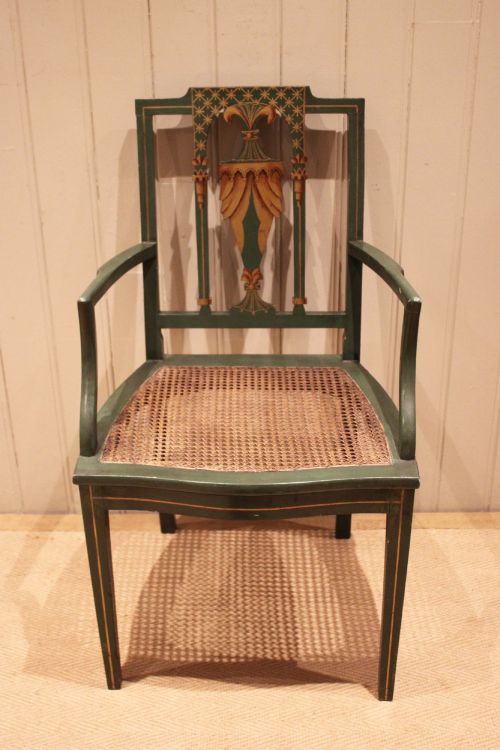
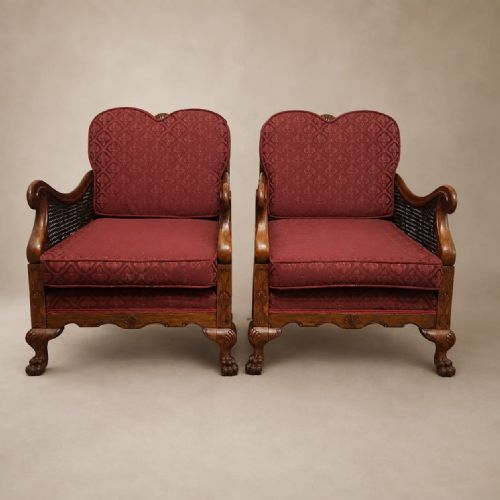
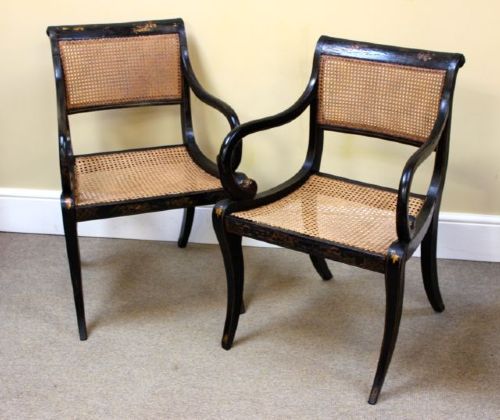
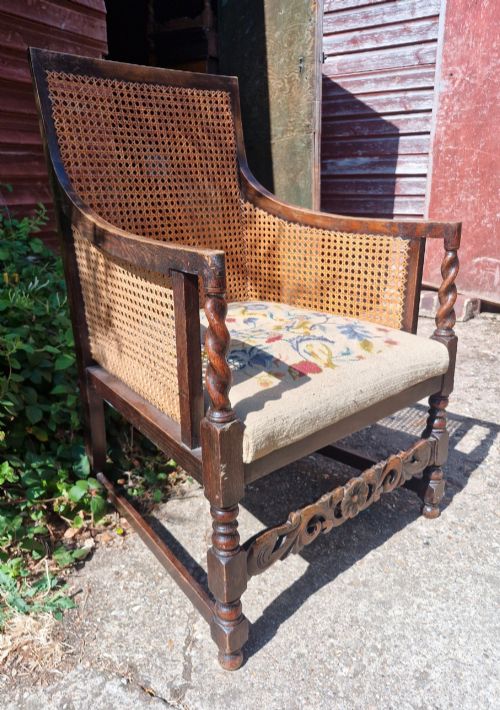
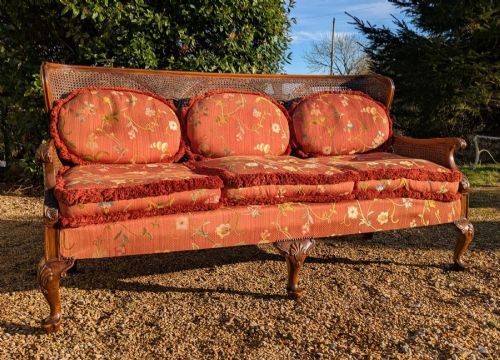
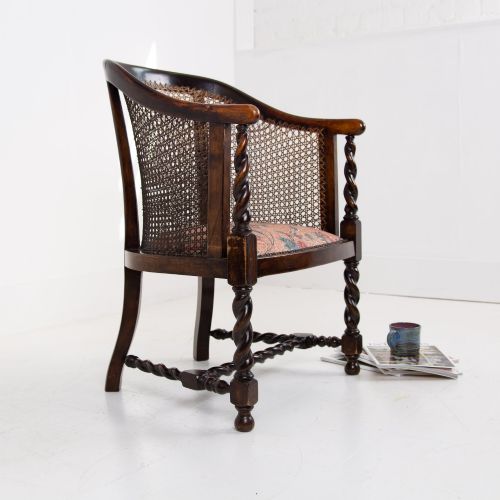
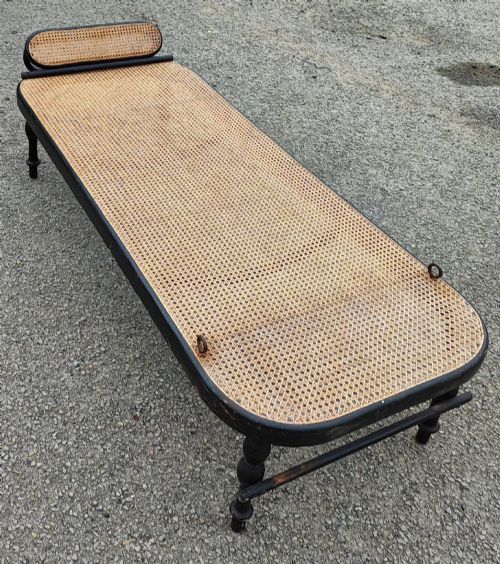
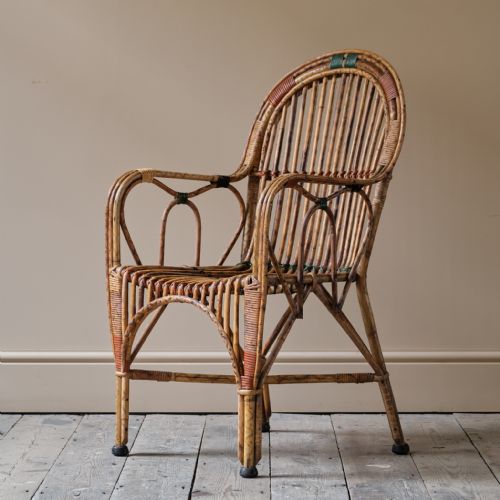
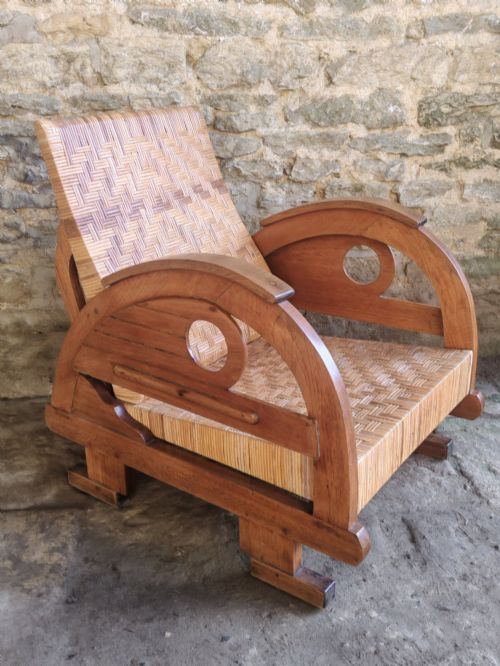
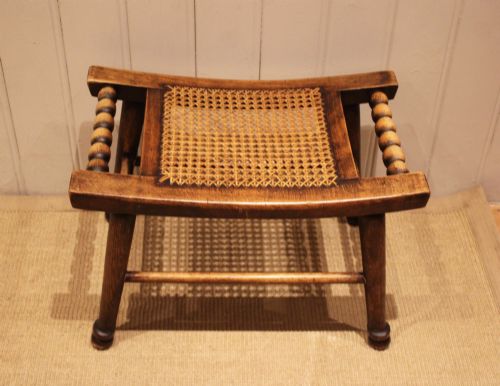
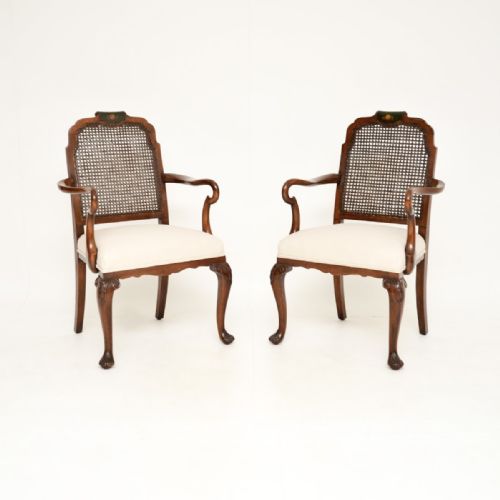
Armchairs and side chairs dominate the selection, accompanied by dining chairs, daybeds, stools, and sofas. Buyers regularly encounter bergere chairs alongside simpler framed stools and reclining plantation designs.
Origins stretch from English workshops to Anglo-Indian studios and French-inspired ateliers, encompassing multiple eras from the eighteenth century through the Art Deco epoch.
Materials and construction methods
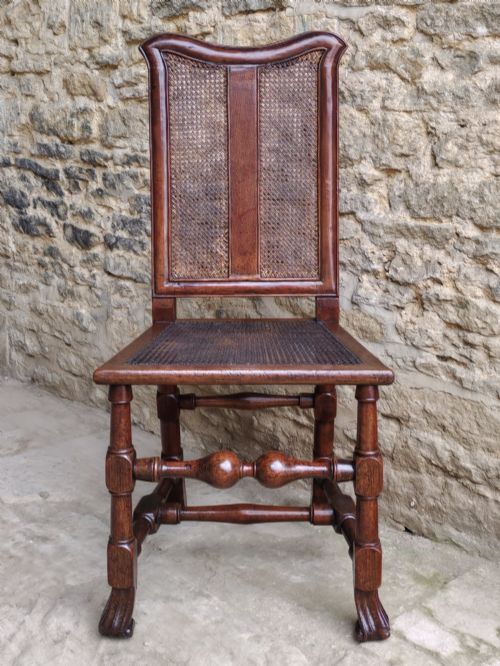
Frames rely on sturdy timbers including mahogany, walnut, oak, teak, satinwood, and ebonised beech, providing a rigid structural skeleton for the woven panels. Wood turnings, barley twists, and carved details frequently adorn these supports.
Cane, rattan, and split cane provide the flexible webbing for seats and backs, woven tightly through frame apertures to distribute weight evenly. Brass fittings, feather cushions, and fabric accents occasionally supplement the primary construction.
A child's high chair survives alongside full-sized daybeds, proving that miniature dignitaries required proper ventilation too.
Distinctions in craftsmanship and finish
Quality separates pieces by the tightness and regularity of the weaving pattern, alongside the integrity of the underlying wooden frame. Finer examples display meticulous hand-carved details and mature timber patination rather than mechanical uniformity.
The choice of primary wood dictates the distinction between standard utilitarian seating and high-status salon furniture. Solid ebony, finely painted surfaces, and intricate lacquering elevate the stature of a piece far beyond basic production.
Dryad & Co·Dryad of Leicester
The Woven Cane Seat Glossary
- Bergere
- An enclosed upholstered armchair featuring cane sides and back panels. This French seating form gained popularity across Georgian and Victorian periods.
- Cane
- The peeled bark of the rattan palm, split and woven into flexible mesh. It provides resilient, breathable surfaces for seats and backs.
- Rattan
- A climbing palm species producing sturdy flexible stems used for furniture frames and basketry. Artisans bend and shape these stems to form structural supports.
- Barley twist
- A decorative woodworking technique where timber is turned into a helical spiral resembling twisted barley sugar. It appears frequently on seventeenth-century revival legs.
- Campaign chair
- Portable folding furniture designed for military officers on the move during the nineteenth century. These pieces collapse flat for transport.
Woven Cane Seat: Frequently Asked Questions
How do I care for a cane seat?
Keep woven panels away from direct heat sources and moisture to prevent the natural plant fibres from becoming brittle and snapping.
Lightly wipe the surface with a damp cloth occasionally, allowing the cane to retain essential humidity and flexibility over decades of use.
Are these seats strong enough for daily use?
Traditional cane seating distributes body weight across an intricate mesh matrix, offering surprising resilience when the material remains taut and healthy.
Heavier daily use suits sturdy hardwood frames with well-maintained webbing, though antique panels benefit from measured care rather than heavy strain.
How can I tell the period of a chair?
Frame construction details, timber selection, and turning styles reveal the era in which a piece took shape.
Comparing structural joinery alongside documented stylistic revivals helps distinguish Regency and Victorian output from later twentieth-century iterations.
Where were these chairs used historically?
These seating forms populated drawing rooms, conservatories, and colonial verandahs where breathable surfaces offered comfort in warmer climates.
Dining rooms and libraries also utilised side chairs and armchairs to combine formal presentation with accessible seating.