




Timber Bedroom Chair
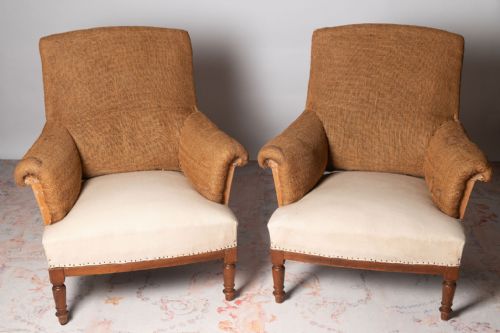
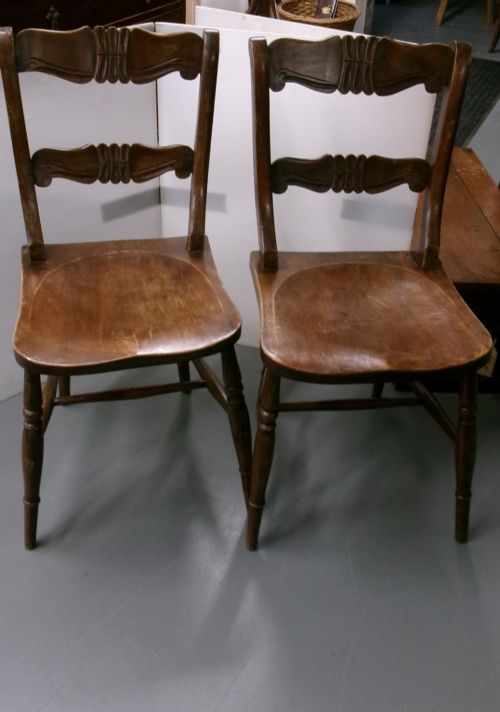
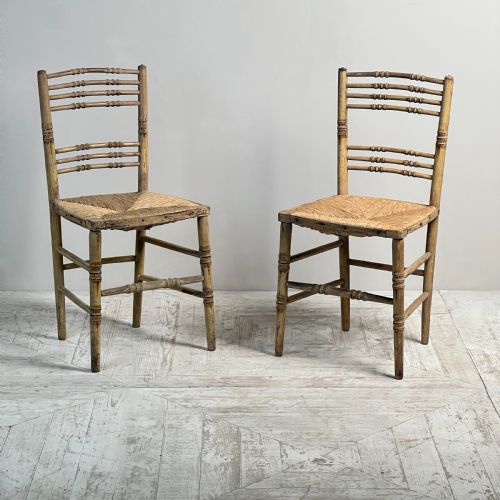
These timber bedroom chair examples combine domestic utility with period craftsmanship, offering a practical seating option for traditional and period interiors.
Timber Bedroom Chair
A timber bedroom chair serves as an occasional seat, dressing table chair, or low nursing chair within the private quarters of a home. When you search for timber bedroom chair, you encounter a range of nineteenth-century and earlier forms designed specifically for personal comfort and bedroom use.
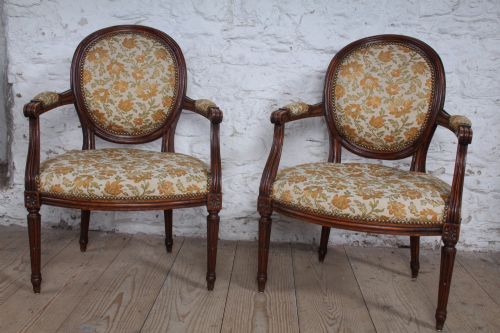
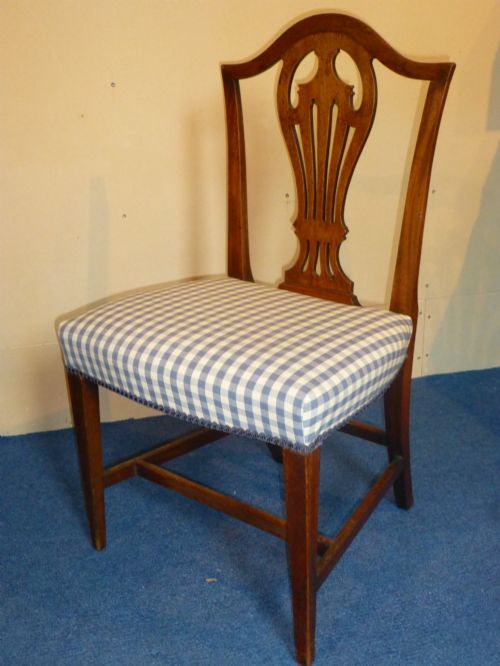
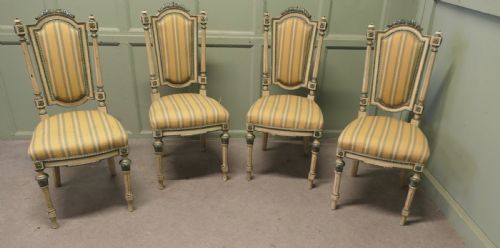
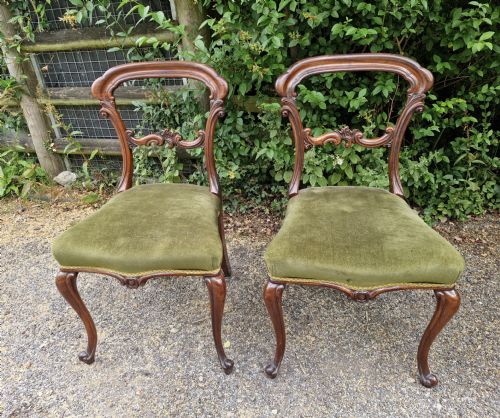
The selection on this page leans heavily towards Victorian and Edwardian examples, alongside occasional eighteenth-century and Regency pieces. Forms vary from low fireside nursing chairs and gossip chairs to carved side chairs and show-frame armchairs in various timber constructions.
How they were made
Cabinet makers utilised dense hardwoods such as mahogany, walnut, rosewood, and fruitwood to build sturdy frames capable of supporting applied carving and turned detailing. Beech and satinwood also appear across regional and later pieces, sometimes ebonised or painted.
Some gossip chairs include delightfully curious seating angles designed for Victorian tittering without crushing an enormous bustle skirt.
What varies in quality
The refinement of the timber carving and the crispness of applied architectural details distinguish standard production from superior workshop output. Well-executed turning, balanced proportions, and dense, highly figured grain elevate certain pieces above simpler vernacular alternatives.
The integrity of the structural joinery and the retention of original timber surfaces determine the lasting merit of each chair. Finer examples display meticulous attention to frame construction and sophisticated styling, drawing on recognised design idioms.
Wheeler Of Arncroach
The Timber Bedroom Chair Glossary
- Nursing chair
- A low-seated chair traditionally designed for comfort by a fireside or bedroom hearth. These low proportions allowed occupants to tend to infants or dress with ease.
- Bergere
- An enclosed armchair with stuffed upholstery and cane or upholstered sides. The wooden frame is typically exposed and polished.
- Aesthetic Movement
- A late nineteenth-century design style emphasising artistic value over moral or narrative themes. It often incorporates simplified forms and ebonised finishes.
- Show frame
- A wooden chair frame where the polished timber structure remains largely visible around the upholstered elements. This showcases the quality of the wood and carving.
- Gossip chair
- An Edwardian seating form designed for intimate conversation, sometimes featuring an asymmetrical back or integrated writing surface. These pieces reflect late period domestic habits.
Timber Bedroom Chair: Frequently Asked Questions
What is a timber bedroom chair used for?
These chairs function primarily as occasional seating in private rooms, serving dressing tables, bedroom corners, or firesides. Their smaller scale distinguished them from heavier parlour or dining furniture.
Historically, specific variants like nursing chairs were built low to the ground for comfort during domestic tasks. Today, they provide decorative character and functional seating in contemporary bedrooms.
How do I identify a Victorian bedroom chair?
Victorian examples often feature dense timbers like rosewood or walnut, combined with deep buttoning, turned legs, and carved details. The stylistic vocabulary draws heavily on earlier revivals.
Look for evidence of period construction methods, such as hand-cut joinery and traditional stuffing materials beneath the upholstery fabric.
Are these chairs suitable for daily use?
Most timber bedroom chairs handle normal sitting weight well, provided the structural joinery remains sound and stable. Regular checks on the legs and frame ensure long-term durability.
While antique frames are robust, modern users should consider the lower seat heights typical of nineteenth-century nursing and bedroom chairs when placing them at standard desks.
How do I care for antique wood and upholstery?
Maintain the timber frames by dusting with a dry cloth and applying occasional quality wax to nourish the polished surface. Avoid placing antique furniture in direct sunlight or near heat sources.
Upholstery care depends on the fabric age and type, requiring professional cleaning for delicate textiles or antique tapestries to preserve the integrity of the piece.