



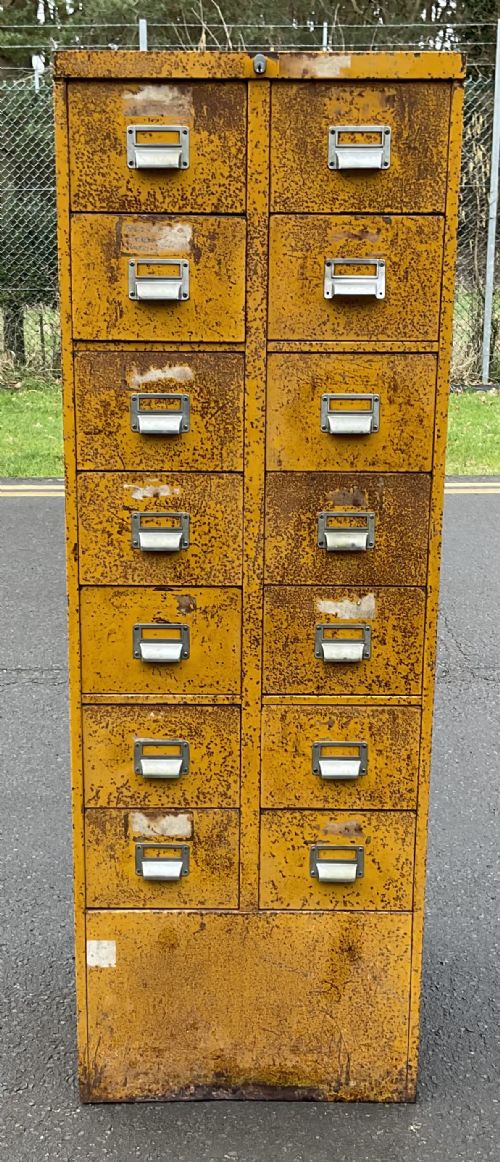


Workshop Storage Chest
A proper workshop storage chest is a utilitarian survivor built to hold tools, screws, and parts without fuss.
Workshop Storage Chest
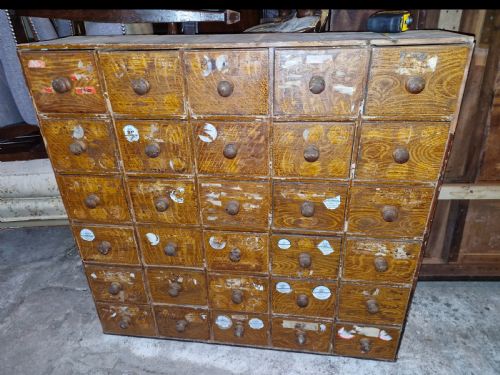
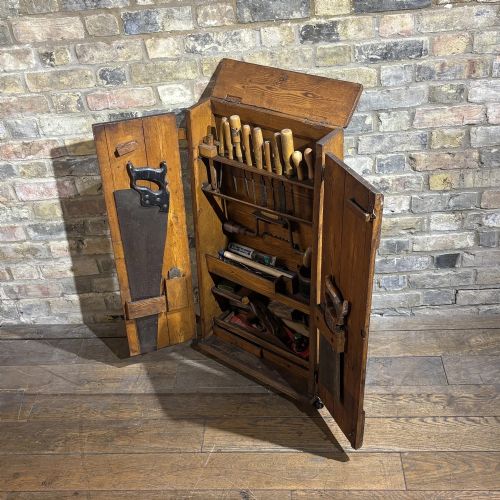
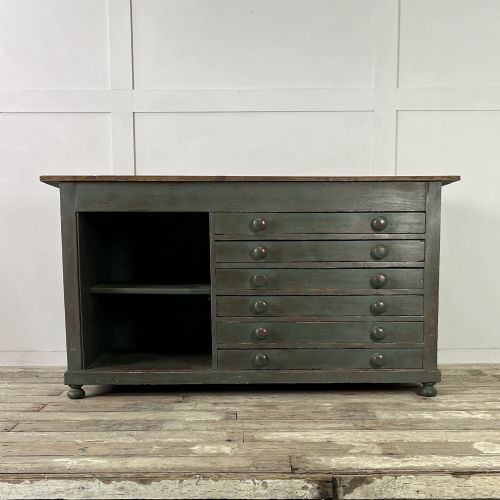
When you search for a workshop storage chest, you are looking at robust utilitarian furniture designed for trade, utility, and heavy use. These pieces include banks of drawers, carpenters chests, tool cabinets, and filing cabinets intended for trade work rather than domestic display.
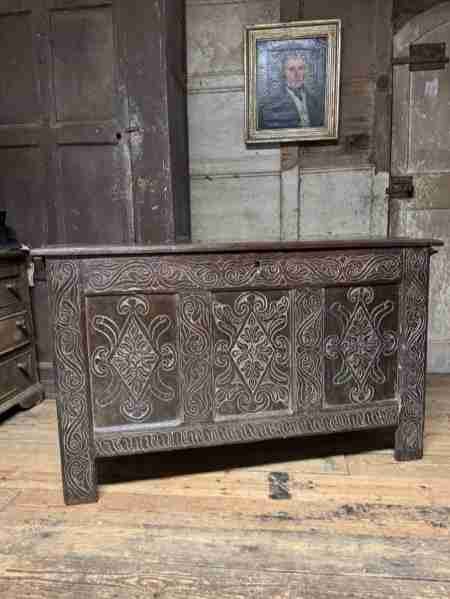
The versions you are most likely to meet on this page span from the seventeenth century through to the 1930s, taking shapes such as banks of drawers and portable tool cabinets. Their origins range across Victorian workshops, Edwardian carpentry rooms, and French industrial spaces.
Materials run from sturdy pine and pitch pine to solid elm, mahogany, oak, iron, and brass. Each piece reflects the functional demands of joiners, watchmakers, and ironmongers who needed reliable storage for daily work.
Materials and construction methods
Makers built these chests primarily from durable woods like pine, pitch pine, elm, and oak, often reinforced with heavy iron and brass hardware to withstand daily friction and weight. Joints needed to be strong enough to hold dense tools and hardware without sagging or splitting under pressure.
Surface treatments remain straightforward, utilising plain timber, paint, or simple finishes that prioritized protection over decorative polish. Many examples show the honest marks of trade use, with robust locking mechanisms and functional metal pulls designed for frequent handling.
Listings feature pieces spanning from the 17th Century to the 1930s, constructed in pine, oak, elm, mahogany, iron, and brass.
Judging quality in utility furniture
Quality in a utility piece lies in the integrity of its construction and the grade of its timber, such as solid elm or pitch pine rather than lesser softwood. The precision of the joinery and the durability of the internal drawer construction dictate how well the piece survived decades of trade work.
Hardware execution also separates standard utility items from finer workshop pieces. Original brass fittings, robust locking mechanisms, and intact iron details indicate a higher standard of original manufacture.
The Workshop Storage Chest Glossary
- Bank of drawers
- An assemblage of numerous small drawers stacked vertically or horizontally. These were standard in trade environments for sorting small components like screws and watch parts.
- Pitch pine
- A dense, resinous softwood sourced mainly from North America. It was frequently utilised in demanding workshop contexts for its strength and resistance to wear.
- Tool cabinet
- A specialised storage case fitted with compartments or shallow drawers for hand tools. They often feature locking doors to secure valuable instruments.
- Joined oak
- Furniture construction utilising mortise and tenon joints secured with wooden pegs. This method appears on seventeenth-century pieces before mass-produced fasteners became common.
- Ironmongers drawers
- Multi-drawer units used in hardware shops or trade stores. They allowed merchants to organise and display stock efficiently.
Workshop Storage Chest: Frequently Asked Questions
What is a workshop storage chest?
A workshop storage chest is a utilitarian piece of furniture built to hold trade tools, hardware, and small parts securely. These include multi-drawer banks, carpenters boxes, and filing cabinets.
They originate from working environments like joinery shops, watchmakers' benches, and ironmongers' stores, prioritizing robust construction over decorative appeal.
How were these chests used?
Tradespeople used them to keep heavy tools, specialised instruments, and loose components organised and secure during daily work. Portable versions allowed travelling craftsmen to transport their gear.
In shops and factories, large banks of drawers held inventory and hardware where workers needed quick access to specific sizes and items.
How do I clean a wooden chest?
Clean the surface gently using a soft, dry cloth to remove dust and loose dirt accumulated from workshop use. Avoid harsh chemical cleaners that strip the historic finish.
If the wood is dry, apply a traditional beeswax polish sparingly to nourish the timber while preserving its authentic appearance and patina.
How can I tell the period?
Dating relies on timber selection, construction methods, and hardware styles. Seventeenth-century pieces often feature joined oak, while Victorian and Edwardian examples frequently use pine or pitch pine.
Drawer construction and fastening types also provide clues, as machine-cut dovetails and modern screws generally indicate later nineteenth or twentieth-century manufacture.