



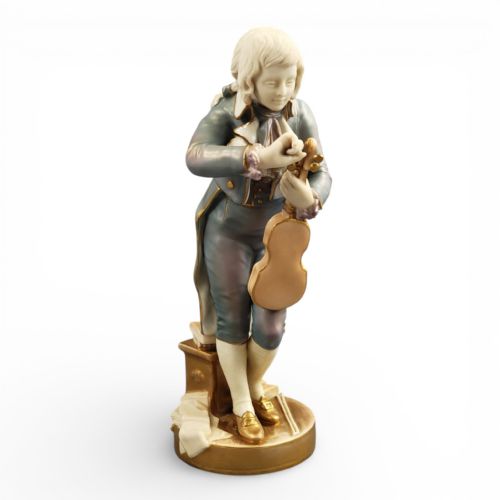


Worcester Porcelain Statues
Worcester porcelain statues bring character and fine detail to a room, capturing human form and classical subjects through generations of skilled modelling.
Worcester Porcelain Statues
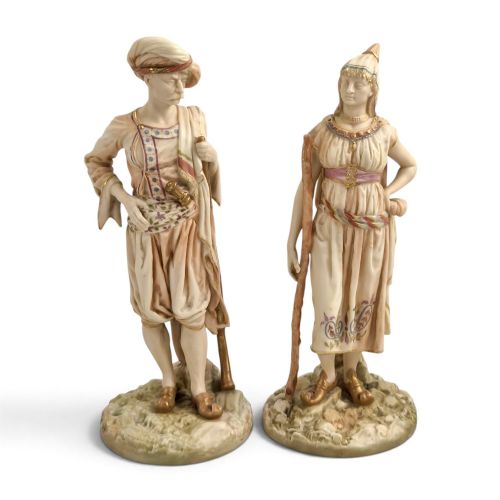
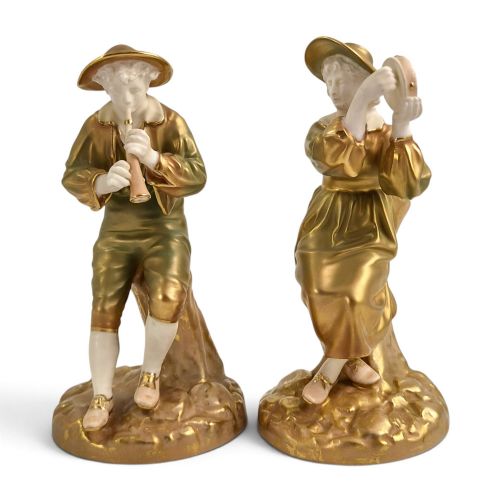
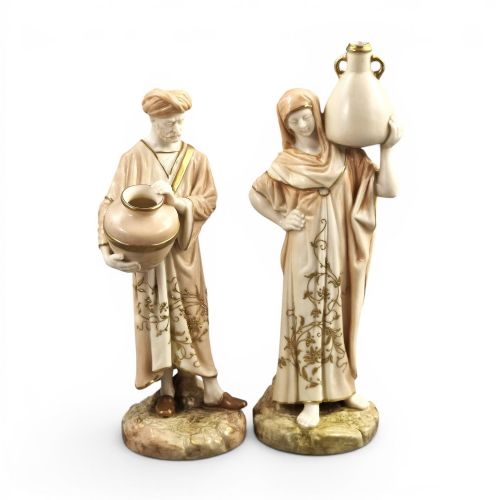
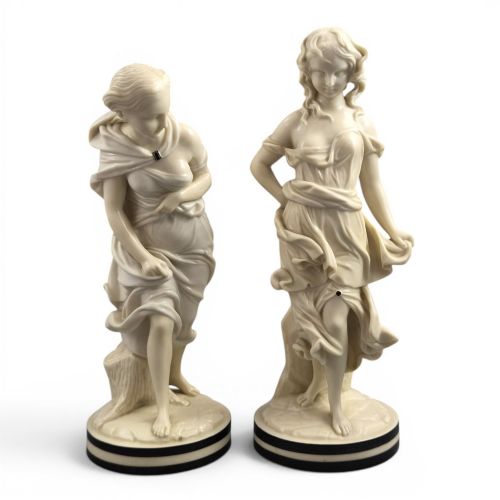
These Worcester porcelain statues span periods from the mid-nineteenth century through the mid-twentieth century, showing how sculptural forms developed across Victorian, Edwardian and later decades. You will find figures ranging from classical maidens and musicians to Orientalist water carriers and literary characters.
The most common pieces on this page are Victorian and Edwardian works, particularly those modelled by James Hadley or produced in blush ivory and parian ware. These creations capture human movement and costume with delicate precision, reflecting the changing tastes of collectors over a century.
Materials and methods
Modelling required considerable skill to render drapery, hair, and complex poses in clay before firing and painting. Master modellers like James Hadley designed figures that were then cast, glazed, and hand-finished with meticulous attention to detail.
Worcester Porcelain Statues Retail Price Guide 2026
Typical asking prices for worcester porcelain statues among the pieces listed under this phrase on Sellingantiques today, from the lower quarter to the upper quarter. They describe what is for sale here now, not the wider market.
Listings feature porcelain, parian ware, bone china, and biscuit porcelain across Victorian and Edwardian eras.
Distinguishing quality
Quality rests in the crispness of the modelling and the sensitivity of the hand-painting, particularly in facial expressions and the rendering of fine textiles. Pieces that retain subtle shading and precise application of gold leaf or enamel show a higher level of workshop execution.
The depth of relief in parian ware and the complexity of the subject matter also set finer examples apart from simpler moulded wares. A well-preserved surface free from heavy wear to the gilt or enamel preserves the original artistic intent.
Royal Worcester·James Hadley·Kerr and Binns
The Worcester Porcelain Statues Glossary
- Blush ivory
- A tinted, matt ceramic ground developed by Royal Worcester that mimics the warm tone of natural ivory, often decorated with delicate floral or gilt motifs.
- Parian ware
- A fine unglazed biscuit porcelain resembling marble, used extensively in the nineteenth century for classical and figurative sculpture.
- Biscuit porcelain
- Unfired-looking ceramic material that has been fired once without a glaze, leaving a tactile, chalky matte surface.
- Shot enamel
- A specialised decorative technique that produces a shimmering, iridescent colour effect across the glazed surface of the figurine.
- Figurine
- A small carved or moulded statuette representing a human or animal figure, designed for domestic display on mantelpieces or cabinets.
Worcester Porcelain Statues: Frequently Asked Questions
What periods do these figures cover?
The listings span from the mid-nineteenth century through the Edwardian era and into the mid-twentieth century. Victorian examples often feature classical or Orientalist subjects.
Later pieces from the 1920s to the 1950s introduce new subjects such as nursery rhyme characters and contemporary ladies, reflecting shifting domestic tastes.
How do I care for my figure?
Keep porcelain statues out of direct sunlight to prevent fading on enamelled and gilt surfaces. Dust gently with a soft, dry brush.
Avoid using water or liquid cleaners, particularly on parian ware or matte biscuit porcelain, as moisture can become trapped in porous unglazed areas.
What is blush ivory?
Blush ivory is a signature cream-coloured matte ceramic finish developed by the factory. It provides a soft background for hand-painted flowers and gilding.
This technique gives figures a warm, lifelike skin tone and a distinctive tactile quality popular in late Victorian interiors.
Who was James Hadley?
James Hadley was a prominent designer and modeller working for the factory during the late nineteenth century. His work defined much of the sculptural output of the period.
His pieces frequently depict water carriers, musicians, and figures in elaborate regional dress with high artistic detail.