

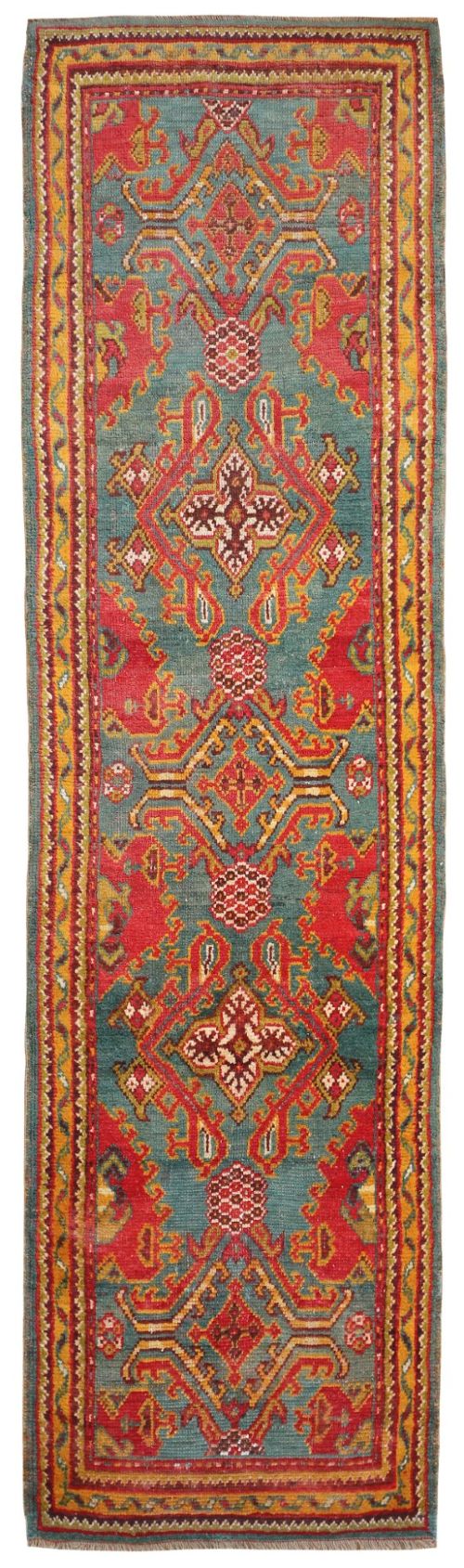
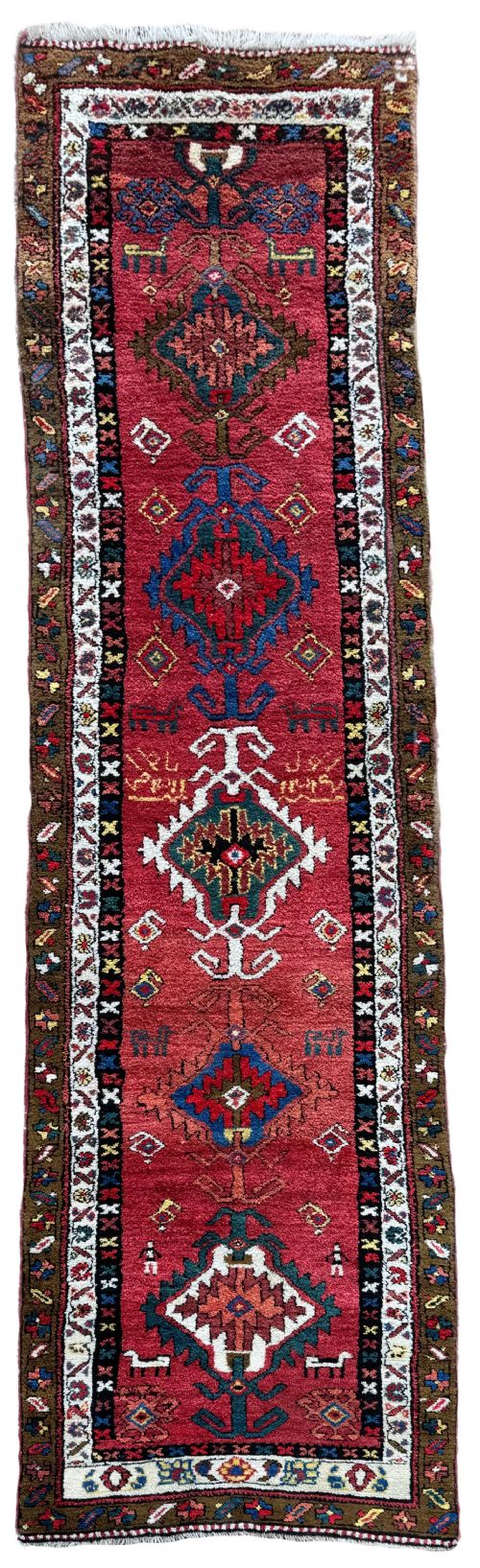
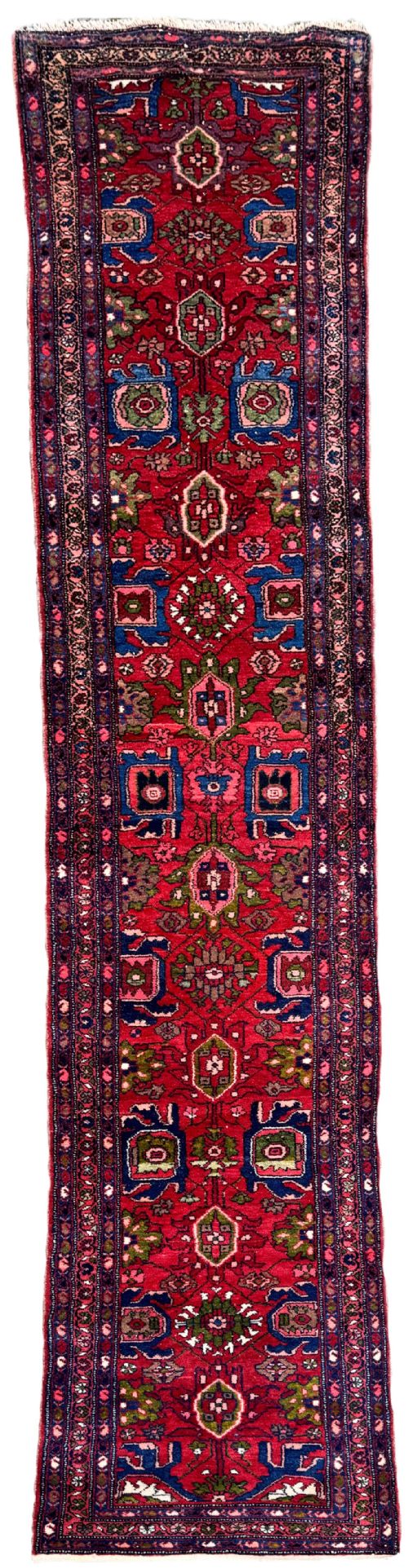
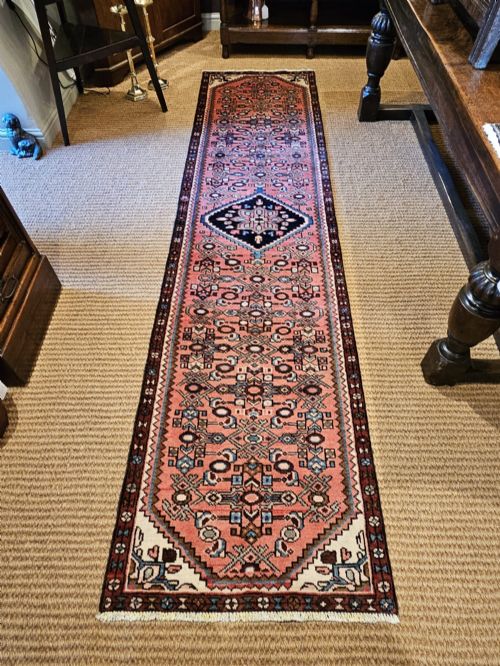
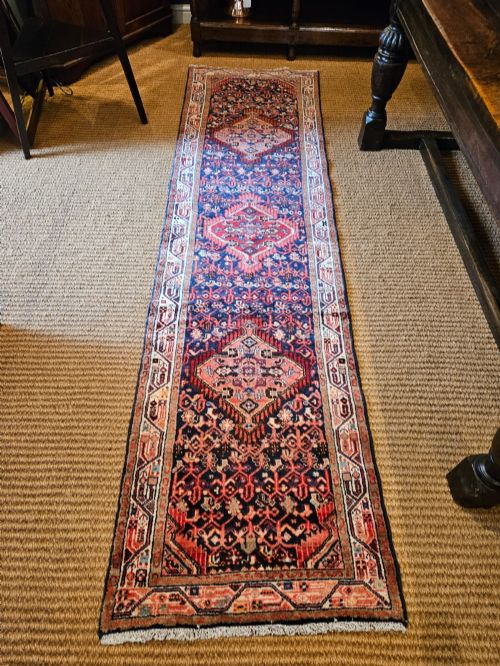
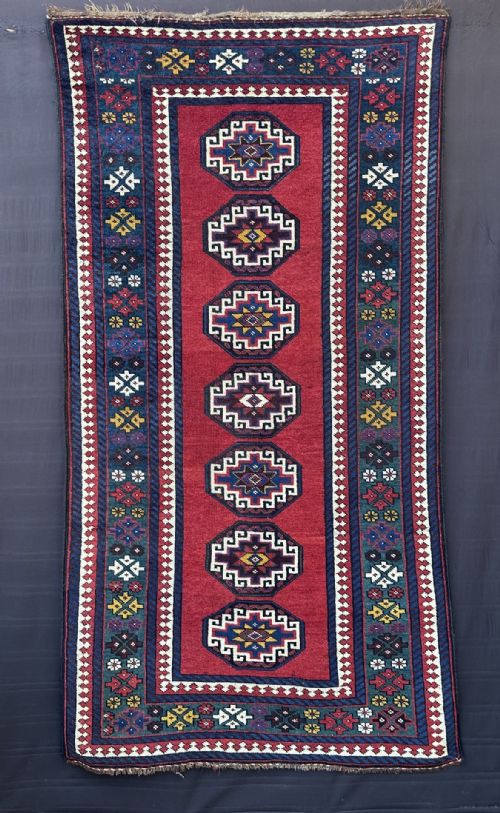
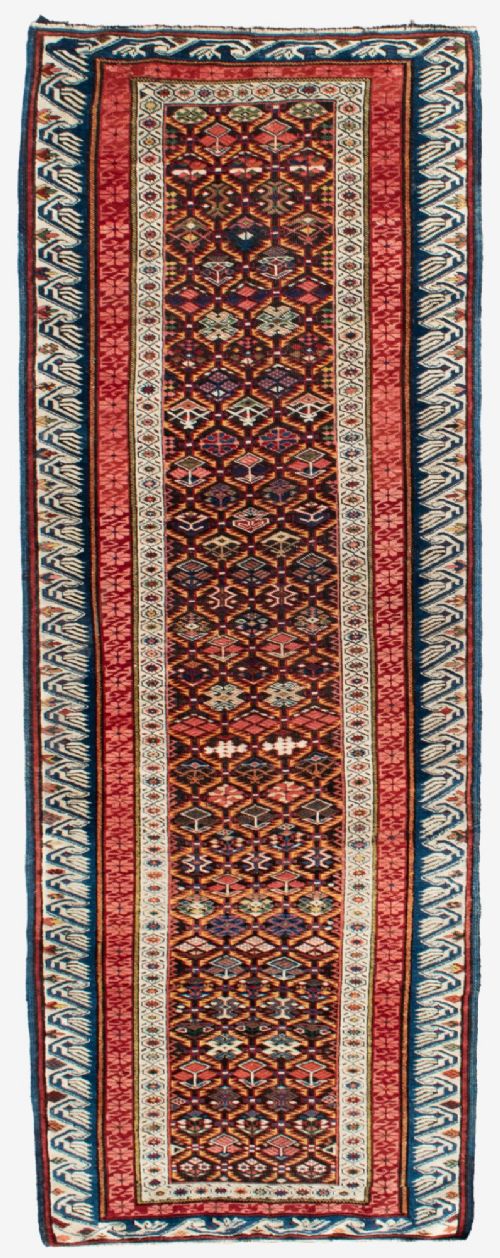
Wool Tribal Hallway Runner
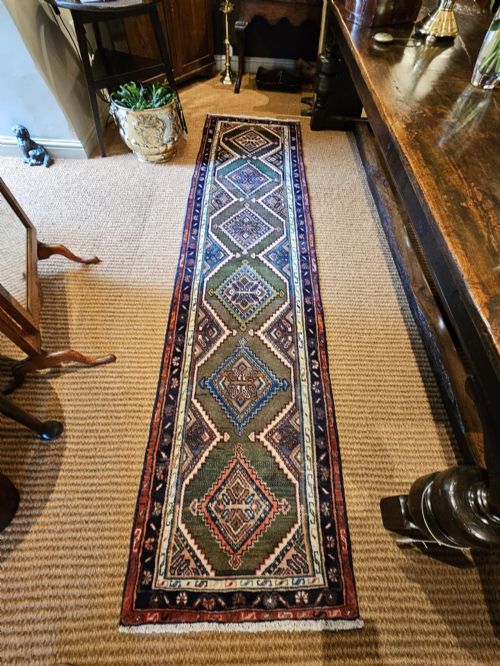
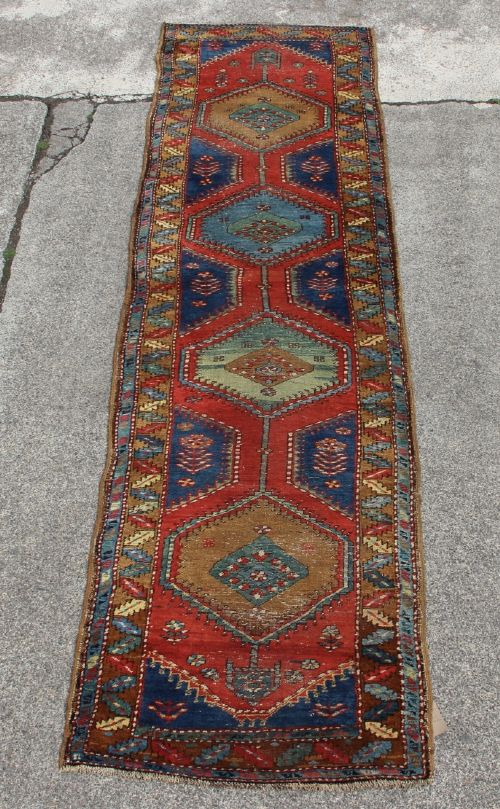
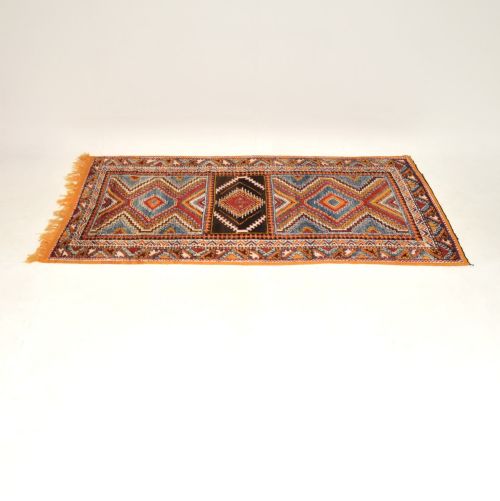
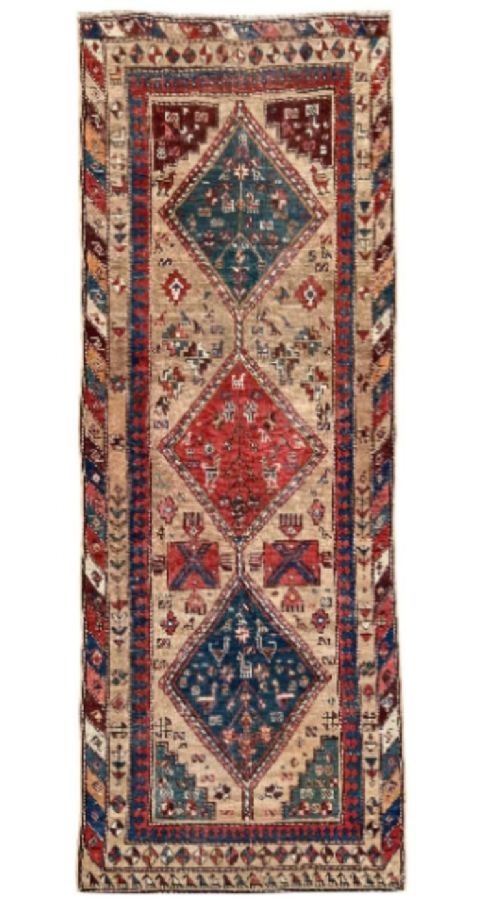
A wool tribal hallway runner brings geometric patterns and rich natural dyes to corridors, anchoring a long space with historical texture.
Wool Tribal Hallway Runner
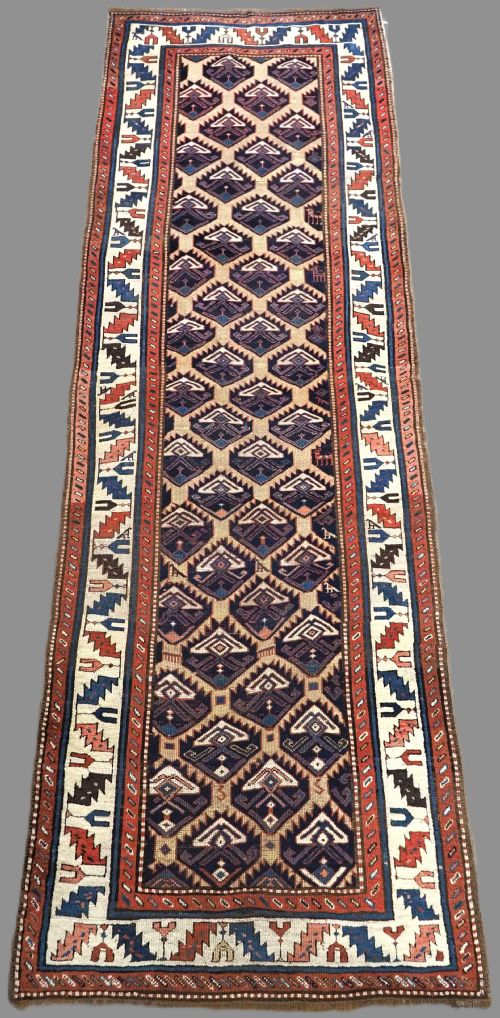
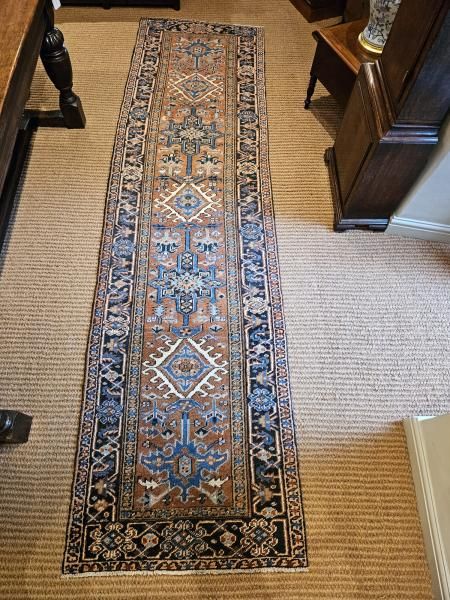
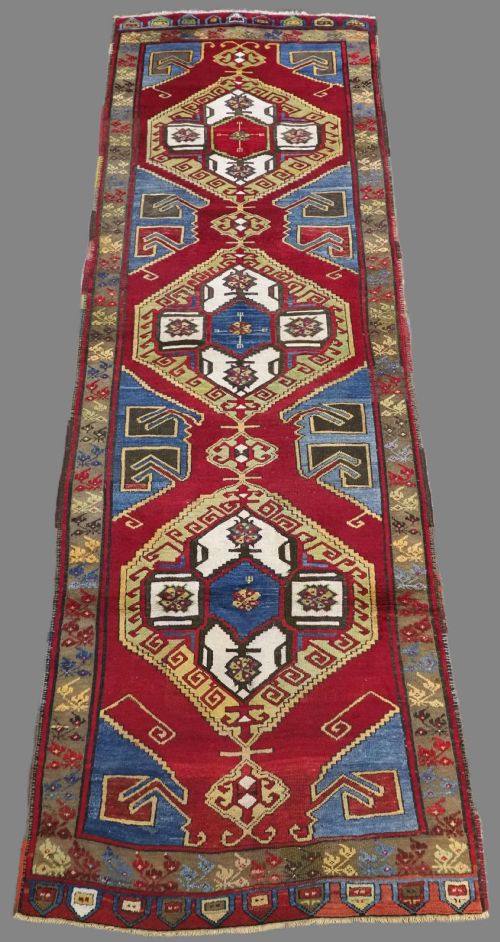
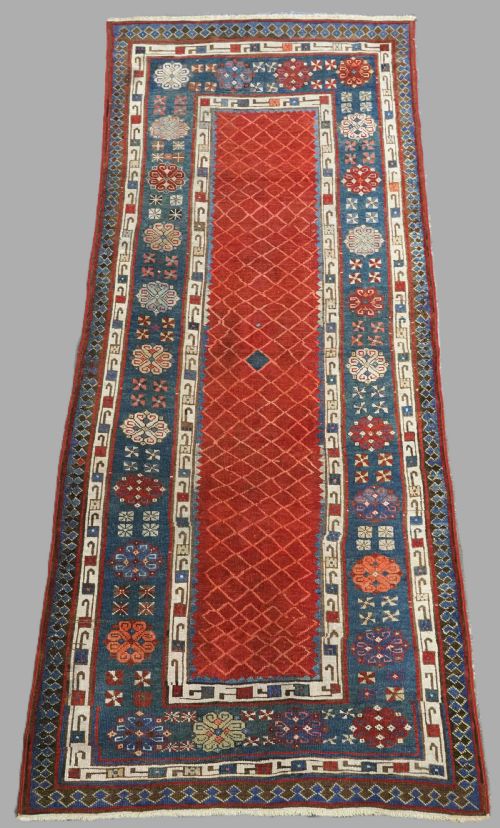
A wool tribal hallway runner is a long, narrow floor covering originating from village and nomadic weaving traditions across Persia, the Caucasus, and Anatolia. These pieces bridge domestic utility and folk art, designed specifically to traverse extended corridors and narrow landings in period homes.
Buyers encountering this group will find examples ranging from late nineteenth-century Kurdish and Caucasian pieces to early twentieth-century Heriz and Hamadan formats. The forms span narrow rectangular runner rugs and long village carpets adapted to corridor use, constructed with distinctive regional geometries.
The aesthetic relies on repeated medallions, lattice designs, and stylized floral motifs rather than rigid court workshop symmetry. Each piece reflects the specific weaving vocabulary of tribal groups such as the Shahsavan, Afshar, and Baluch.
How they were made
These runners are built on foundations of spun cotton or wool, which carry dense hand-knotted woolen pile. The materials are chosen for resilience, allowing the dense pile to withstand centuries of foot traffic while maintaining structural integrity along the edges.
Dyers utilised natural materials to create deep indigo blues, madder reds, and olive greens that soften gracefully over generations. The hand-tied knots secure the geometric motifs firmly to the warp and weft threads, creating a supple textile that lies flat on stone or timber flooring.
Several runners display delightfully crooked geometries, proving that nomadic weavers worked without rigid graph paper.
What varies in quality
Quality rests in the precision of the knotting density and the clarity of the tribal design layout. Finer examples exhibit crisp geometric boundaries and balanced proportions down the entire length of the runner.
The saturation and complexity of the dye palette further separate standard village output from superior collector pieces. Variations in wool quality also dictate handle, with superior grease content in the fleece yielding a softer, more lustrous pile.
Kurdish workshops·Shahsavan tribes·Heriz weavers
The Wool Tribal Hallway Runner Glossary
- Runner
- A long, narrow carpet format traditionally used in hallways, corridors, and on staircases. These pieces measure significantly longer than they are wide.
- Pile
- The upright yarn loops or cut ends that form the soft surface of a rug. In these pieces, the pile is hand-knotted from sheep wool.
- Warp
- The vertical foundation threads stretched lengthwise on the loom before knotting begins. Cotton and wool serve as the primary materials for these structural elements.
- Weft
- The horizontal threads passed across the warp strands between rows of knots to secure the structure. This technique binds the pile firmly into place.
- Medallion
- A central ornamental motif placed in the field of a rug. Tribal weavers often repeat these geometric shapes symmetrically along the axis of a hallway runner.
Wool Tribal Hallway Runner: Frequently Asked Questions
How do I clean a wool runner?
Vacuum gently without a rotating beater bar to protect the hand-knotted woolen pile from undue stress. Professional specialist cleaning remains essential for addressing deep dirt safely.
Water exposure should be managed carefully to prevent dye bleed in older natural colorants. Regular rotation ensures even wear across high-traffic hallway sections.
Are these runners durable enough for hallways?
Traditional village construction utilises resilient sheep wool over sturdy foundations designed for heavy daily domestic use. The dense pile naturally resists crushing in high-traffic corridors.
Underlays help prevent slipping while adding cushioning against hard subfloors. This extra layer reduces friction between the rug base and timber boards.
How do I identify a Caucasian runner?
Caucasian pieces typically feature stark geometric medallions, crisp lattice structures, and sharp primary colour palettes. The wool often has a distinctive crisp handle compared to softer Persian village weaves.
Border designs on these pieces rely on angular stars, hooked motifs, and reciprocal triangles. These structural traits distinguish Caucasian work from Anatolian and Persian traditions.
What is a Mina Khani design?
The Mina Khani pattern is a repeating field design composed of stylized flowers linked by curved vines. This classic Persian motif appears frequently in fine Kurdish runner formats.
It creates an organised, repeating grid across the length of the narrow textile. The balanced arrangement softens the linear geometry typical of hallway runners.