




Wool Soumak Bag Face
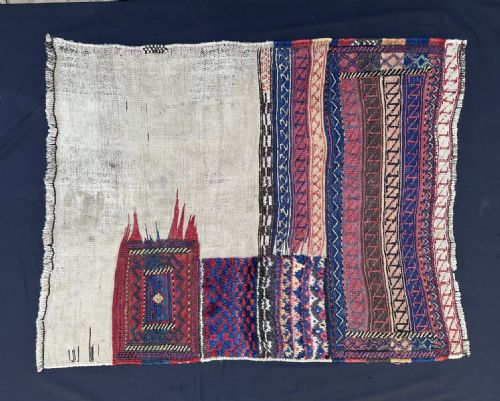
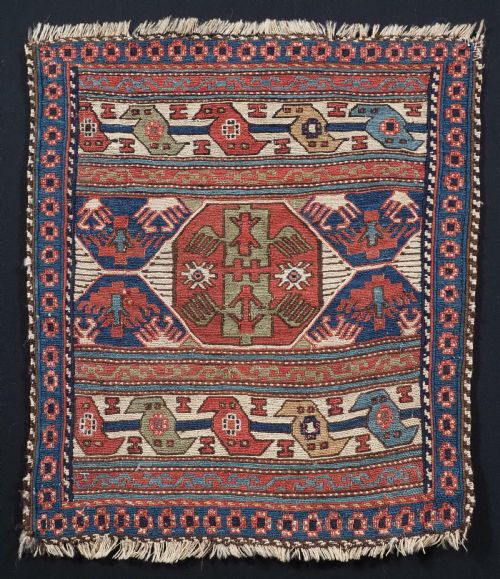
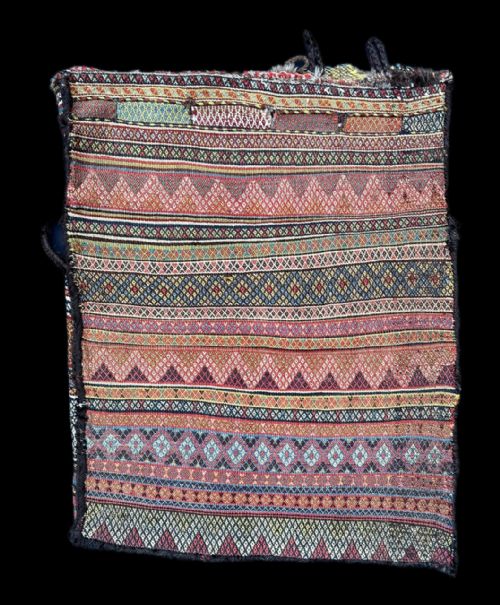
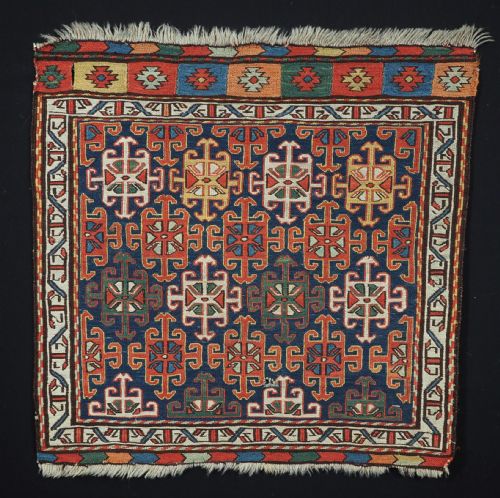
These wool soumak bag face examples are nomadic woven panels created for practical transport and storage, prized for their complex flatweave technique and vibrant tribal motifs.
Wool Soumak Bag Face
A wool soumak bag face represents the front portion of a nomadic storage container, saddlebag, or animal transport pouch created by tribal weavers across Persia and the Caucasus. These woven panels display distinct cultural patterns developed by groups such as the Shahsavan, Qashqai, Lori-Bakhtiari, and Kurdish nomads during the nineteenth and early twentieth centuries.
The objects seen most often on this page take the form of flatwoven panels, cushion conversions, and half-saddlebags utilising the intricate soumak technique. Examples range from structured Shahsavan khorjin faces featuring birds and dragons to storage bag fronts originating from Western Persia and the Fars Province.
Collectors encounter pieces spanning several decades, from mid-nineteenth century examples down to items made around nineteen twenty. Each wool soumak bag face preserves the utilitarian artistry of nomadic life, functioning today as decorative textile art or specialised soft furnishings.
Materials and construction
Makers constructed each wool soumak bag face using hand-spun wool for the structural foundation and the decorative surface patterns. Cotton occasionally appears in the foundational warps or wefts of specific regional pieces.
The defining structural method involves the soumak technique, a flatweave procedure where coloured weft threads wrap over and under vertical warps in a continuous wrapping motion. This method creates a ridged face texture with substantial durability while allowing intricate geometric and pictorial designs.
Weavers relied on natural and vegetable dyes to colour the wool, producing deep tones that age gradually over time. These organic colourants provide the varied palettes observed across Caucasian and Persian tribal textiles.
Listings feature pieces dated across the nineteenth and early twentieth centuries, spanning eighteen fifty to nineteen twenty.
Assessing quality and execution
Quality in a wool soumak bag face rests upon the precision of the flatweave wrapping and the complexity of the design layout. Finer examples display tightly packed soumak brocading that keeps geometric motifs, bird figures, and dragon symbols sharp and legible.
The depth and preservation of natural and vegetable dyes dictate visual merit. Superior pieces retain saturated, balanced tones without harsh fading, demonstrating expert mordanting and high-grade wool preparation by the nomadic weavers.
Intact structural borders and minimal later alterations elevate a piece. Surviving bag faces that retain their original format or display distinct regional iconography from groups like the Shahsavan command greater attention from collectors.
The Wool Soumak Bag Face Glossary
- Soumak
- A flatweave textile technique where decorative weft threads wrap around warp threads to produce a durable fabric with a textured, ridged face. This method allows for detailed geometric and animal motifs without cutting pile.
- Khorjin
- A traditional double saddlebag utilised by nomads for transport and storage, often separated over time into individual bag faces. These items formed an essential part of tribal household furnishings.
- Juval
- A large storage sack made by nomadic weavers to hold bedding, clothing, or household goods within a tent. They feature detailed tribal patterns on the display face.
- Warp
- The stationary vertical threads stretched onto a loom that form the structural skeleton of the textile. Weft threads interlace through these foundational lines.
- Weft
- The horizontal threads passed through the warp yarns to create the fabric structure and carry the visible colour design. In soumak work, these threads wrap the warps.
Wool Soumak Bag Face: Frequently Asked Questions
What is a soumak bag face?
A wool soumak bag face is the decorative front panel of a nomadic storage or transport bag, created using a specialised flatweave wrapping technique.
Weavers from tribal groups in Persia and the Caucasus produced these panels to hold personal possessions, later adapting them into wall hangings or cushions.
How do I date a bag face?
Dating relies on stylistic analysis, material assessment, and structural comparison with documented nineteenth and early twentieth century examples.
Indicators include the character of the natural dyes, the tightness of the hand-spun wool, and traditional regional iconography associated with specific nomadic tribes.
Where were these textiles made?
Nomadic and village groups across Persia, the Caucasus, and Anatolia produced these woven panels as part of their daily domestic and travelling traditions.
Specific regions represented include the Moghan region in Azerbaijan, the Fars Province, and the Chahar Mahal district in Western Persia.
How should I display a bag face?
These panels function well as mounted wall art, framed textile displays, or specialised decorative cushions for soft furnishings.
Protection from direct sunlight and proper weight distribution during mounting ensures the hand-spun wool and natural dyes remain secure over time.