




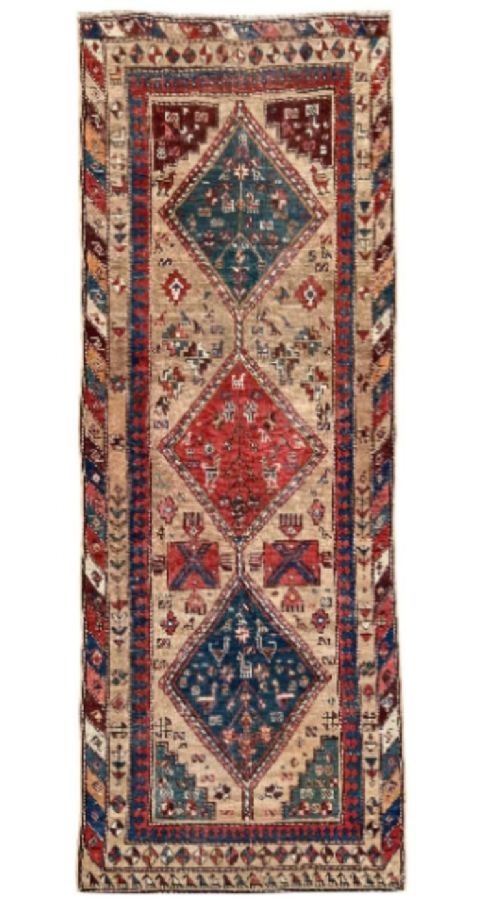
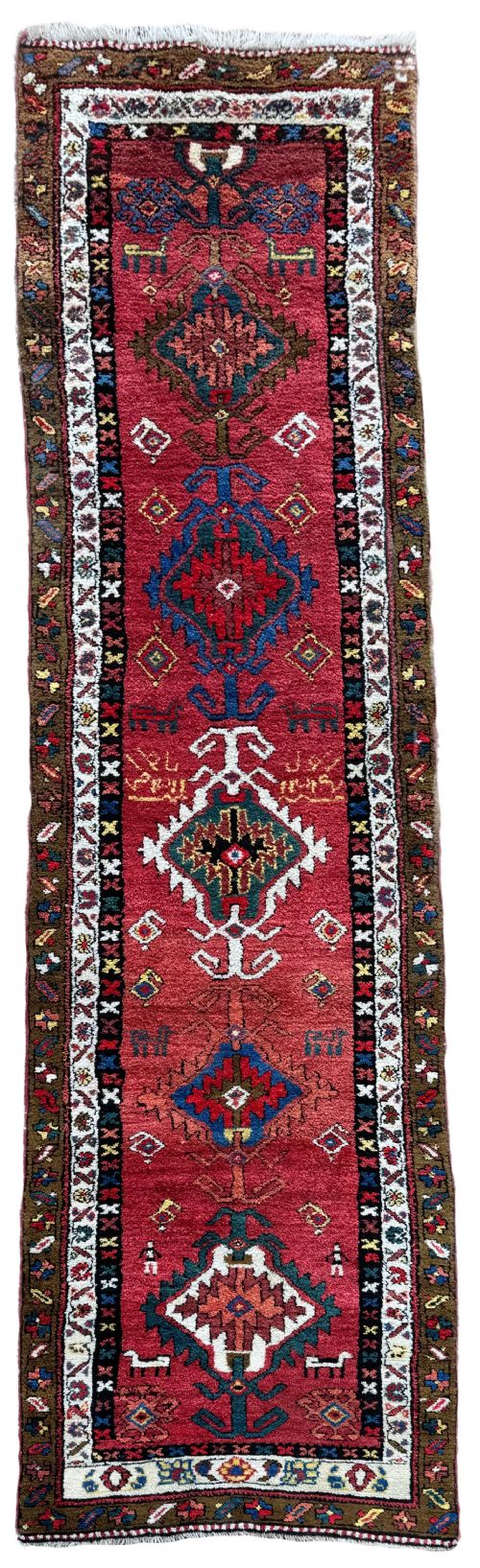
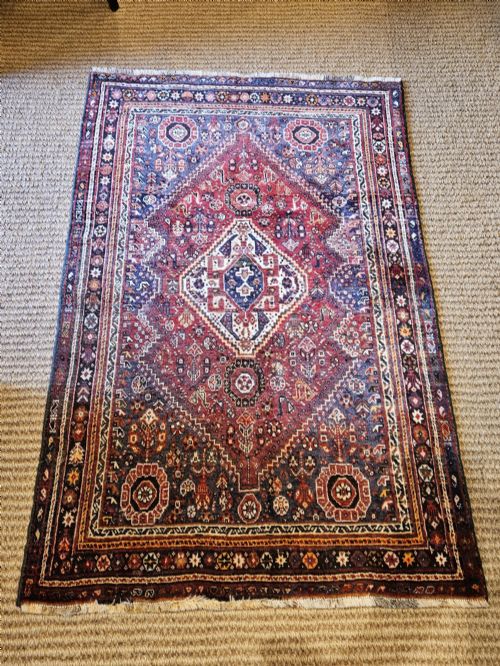
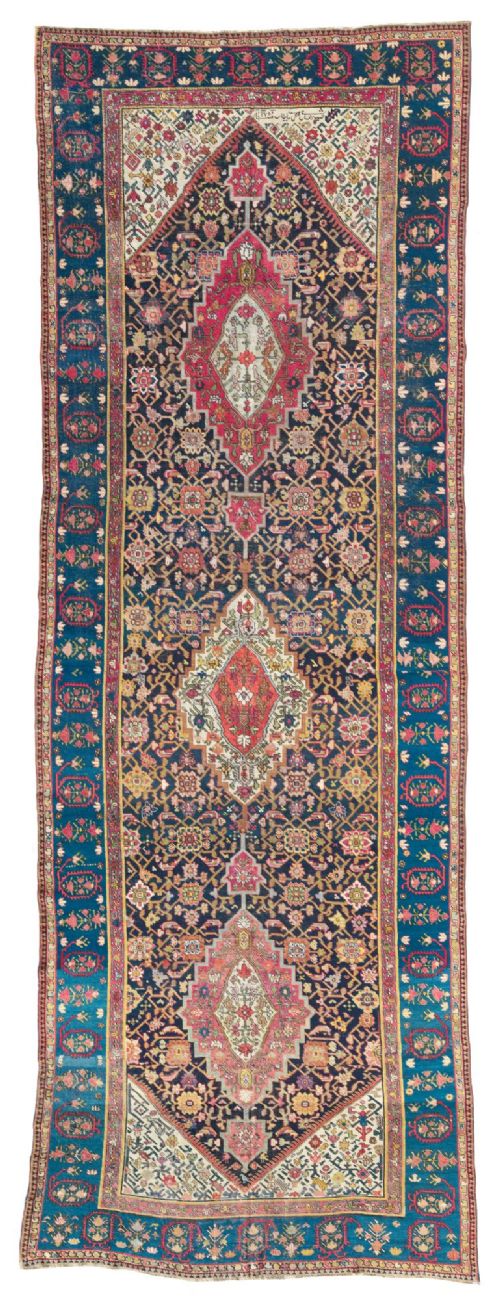
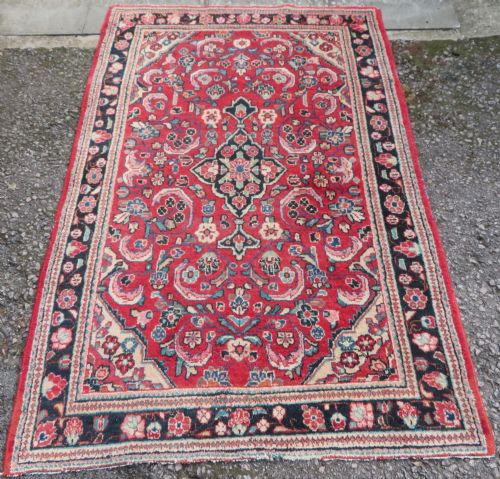
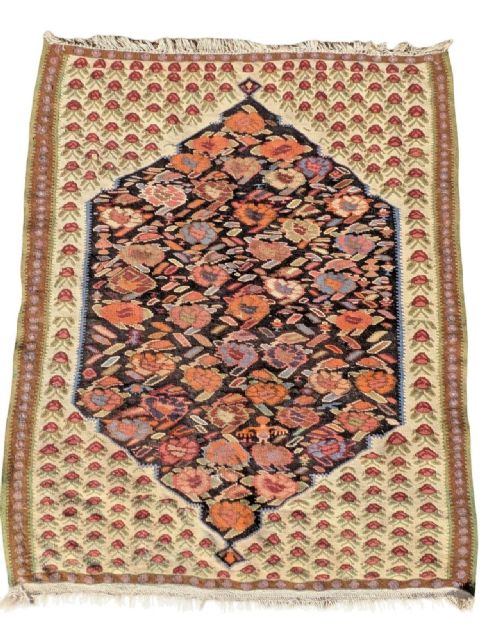
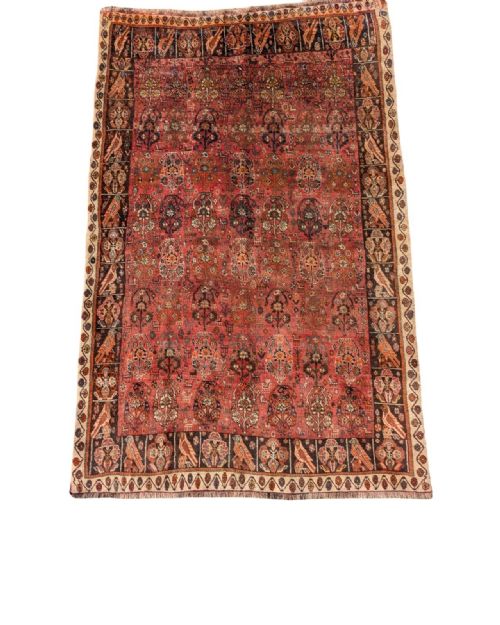
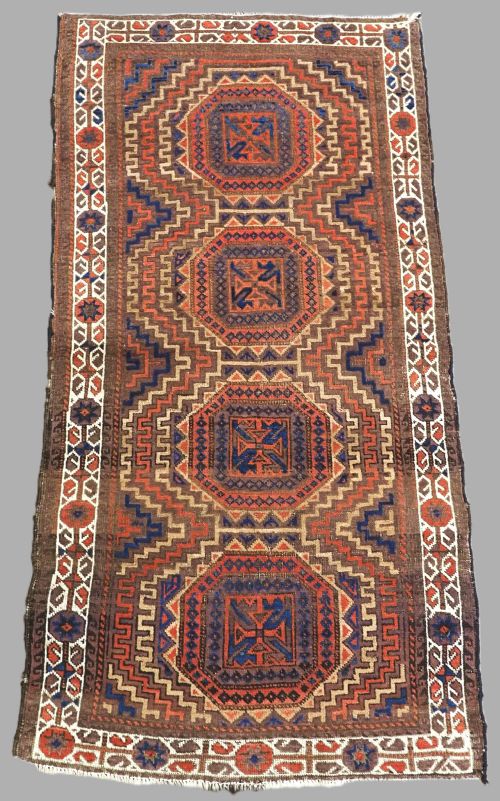
Wool Persian Runner Carpet
A wool persian runner carpet brings warmth and enduring pattern to a hallway, formed from generations of skilled hand-knotting.
Wool Persian Runner Carpet
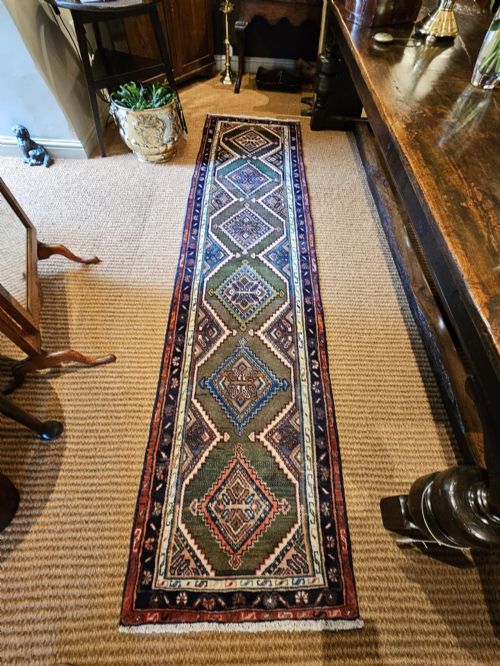
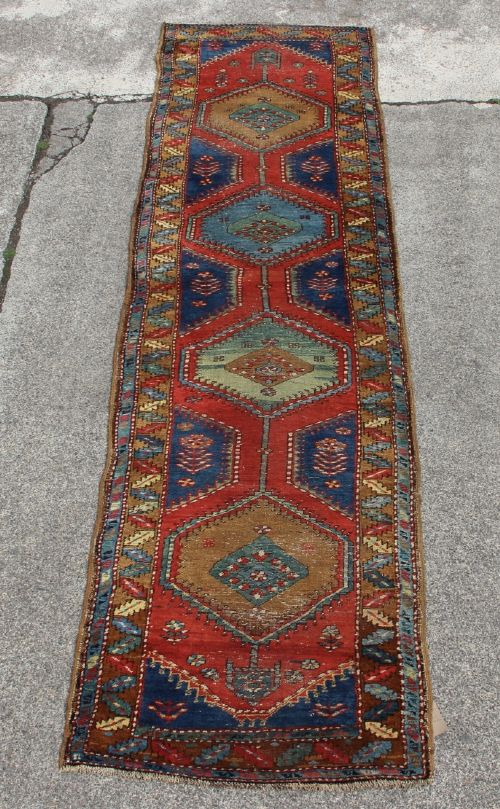
A wool persian runner carpet is a narrow, elongated textile designed primarily for hallways, landings and corridors. The pieces gathered here span various origins and eras, with nineteenth and early twentieth-century examples appearing frequently alongside traditional tribal and village formats.
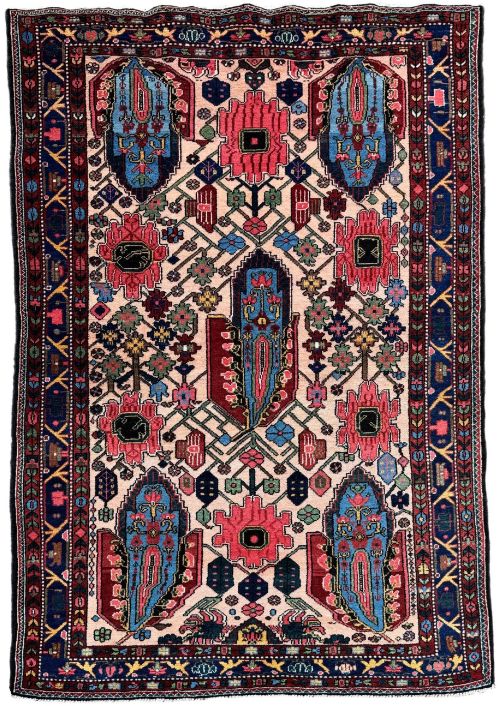
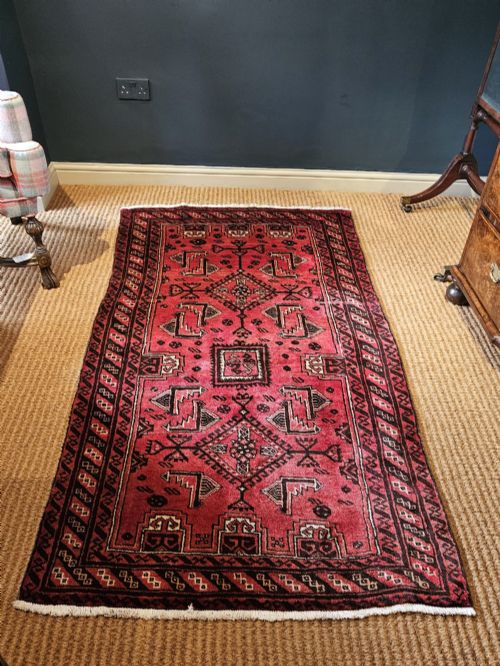
Buyers will encounter formats stretching from compact lengths to substantial hallway runners, often categorised under styles such as Persian traditional, Kurdish tribal, Heriz, Hamadan and Saroukh. These pieces reflect the distinct regional weaving traditions of Persia and neighbouring Caucasian or Anatolian districts, showcasing varied geometric or floral layouts.
The selection ranges from village pieces displaying bold, unpretentious motifs to finer city carpets with intricate medallions and precise borders. Most examples on display utilise durable formats intended for heavy foot traffic while maintaining distinctive regional character.
Materials and construction
The construction of a wool persian runner carpet relies primarily on natural materials, utilising hand-spun wool for the pile alongside cotton foundations in many village and city pieces. Some examples incorporate camel hair or additional fibres to provide subtle tonal variations and textural depth within the design.
Weavers employed natural dyes derived from plants and minerals, creating rich palettes that mellow gracefully over decades of use. The pile is hand-knotted onto warp and weft threads, resulting in a dense, resilient structure capable of withstanding prolonged domestic wear.
One remarkably long runner stretches thirty-two feet, ready for a stately hallway or an exceptionally patient dachshund.
Assessing quality and execution
Quality in a wool persian runner carpet depends on knot density, the precision of the design execution and the stability of the foundation. Tighter knots allow for sharper detail in medallions and borders, while heavier wool selection ensures the pile retains its integrity over time.
The depth and harmony of the natural dye palette also distinguish superior examples, as well-balanced colours interact and age with greater visual richness. The integrity of the selvedges and ends further indicates the level of care taken during the original weaving process.
Heriz·Saroukh·Bakhtiar·Bidjar·Tabriz
The Wool Persian Runner Carpet Glossary
- Runner
- A long, narrow carpet format specifically suited for hallways, corridors and staircases. These pieces balance length with a restrained width to fit domestic passageways.
- Pile
- The upright yarn surface of the carpet formed by individual knots tied to the foundation. This creates the tactile texture and visible pattern of the textile.
- Warp
- The vertical foundation threads stretched lengthwise on the loom before knotting begins. The fringe of a carpet typically consists of the extended warp threads.
- Weft
- The horizontal threads passed alternately over and under the warp threads to secure the rows of knots. This maintains the structural stability of the textile.
- Natural Dyes
- Colourants extracted from plant, insect or mineral sources rather than synthetic chemical compounds. These dyes yield softer, more complex tones that age with character.
Wool Persian Runner Carpet: Frequently Asked Questions
Where should I place a runner?
These long formats suit narrow spaces such as hallways, entryways, landings and long corridors where standard rectangular rugs do not fit.
They also serve well in galley kitchens or beside bedroom furniture, adding targeted comfort and traditional pattern to transition areas.
How do I care for an old wool carpet?
Regular gentle vacuuming without a beater bar prevents dust accumulation within the pile.
Professional cleaning tailored for antique textiles ensures the natural wool and dyes remain protected from harsh chemicals.
Are these carpets made with natural dyes?
Many older pieces utilise traditional plant and mineral dyes that develop gentle patinas over decades.
These natural colourants create subtle tonal variations that distinguish older village and tribal weaving traditions.
How do I distinguish regional styles?
Regional styles appear through distinct geometric or floral motifs, specific knotting densities and local colour palettes.
For instance, Heriz carpets often feature bold geometric medallions, whereas Saroukh pieces display refined floral sprays.