


Wool Flatweave Area Rug
A wool flatweave area rug brings distinct tribal character and history to a floor, offering durable utility and flat-woven warmth.
Wool Flatweave Area Rug
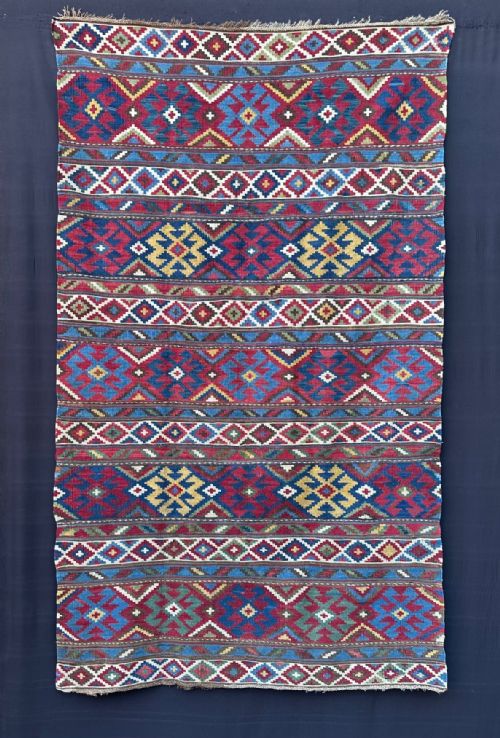
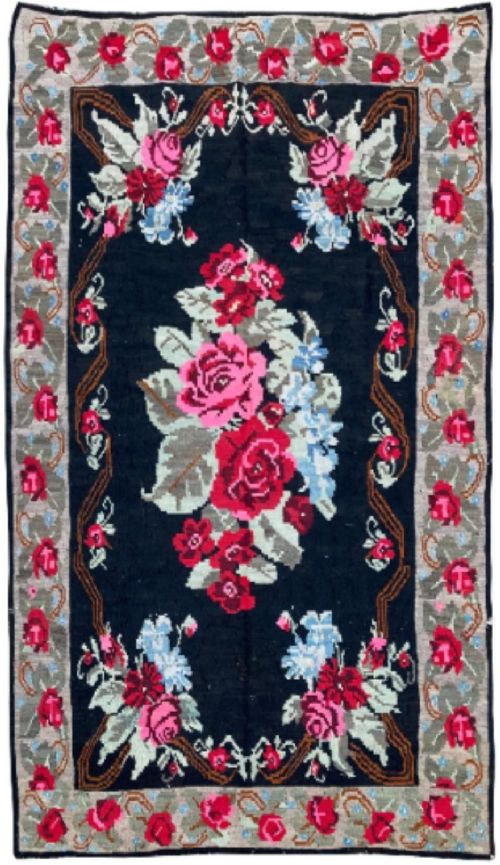
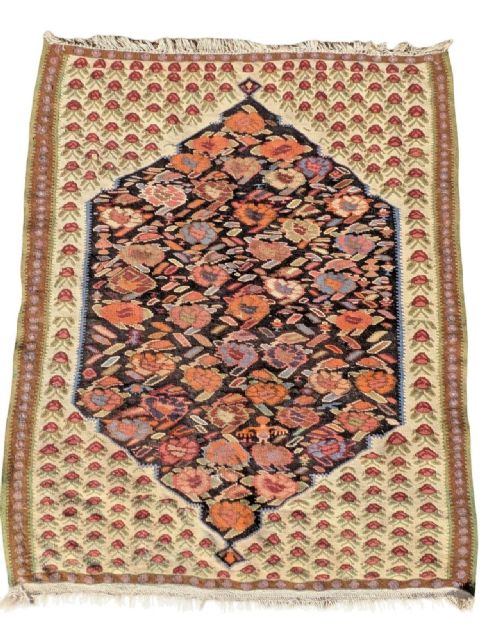
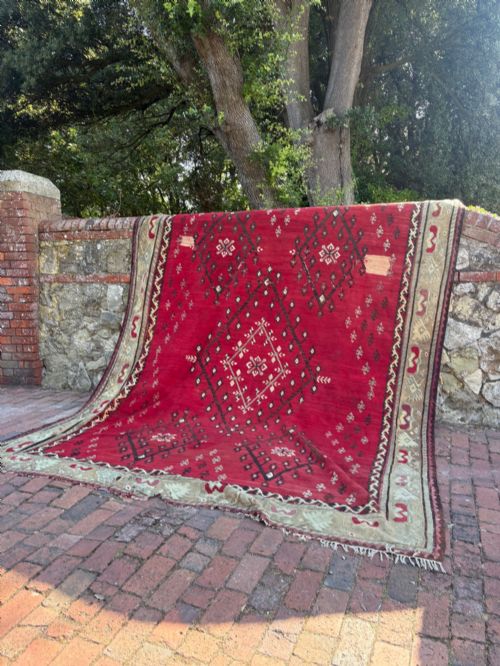
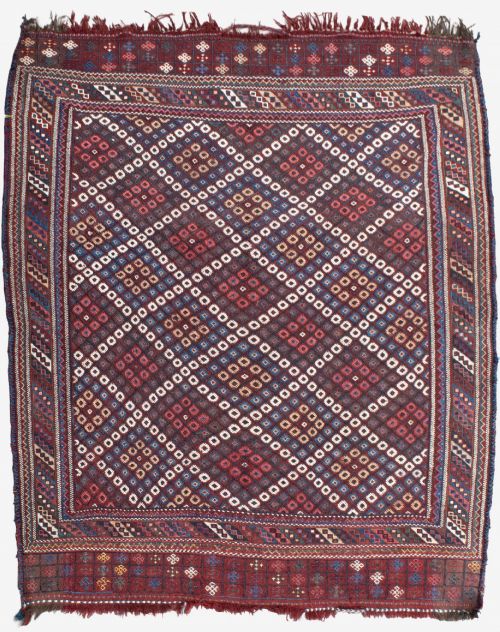
A wool flatweave area rug encompasses traditional kilims and woven carpets originating from regions spanning the Caucasus, Persia, Anatolia, and Eastern Europe. These textiles lack a pile, created instead by tightly interweaving warp and weft threads to form geometric patterns and flat surfaces.
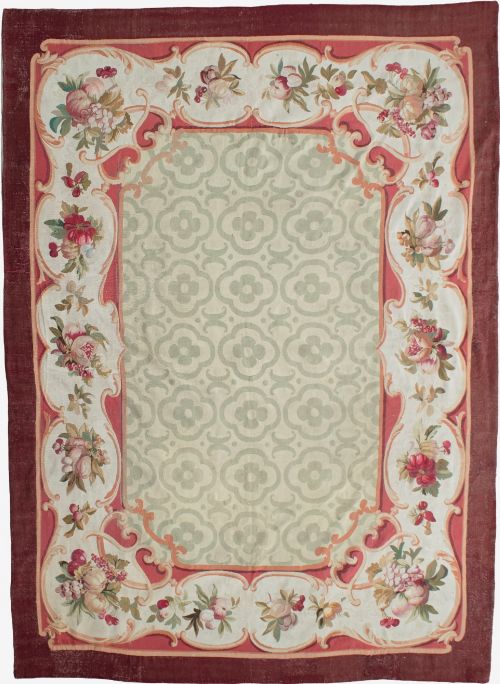
The selections available here lean towards antique and vintage examples, particularly nineteenth and early twentieth-century pieces from nomadic or village workshops. Buyers frequently encounter regional variations such as Bessarabian, Caucasian, and Anatolian flatweaves among the current inventory.
How they were made
Makers constructed these floor coverings predominantly using hand-spun wool, occasionally incorporating cotton foundations or camel hair grounds for structural variation and texture. The flatweave technique relies on slit-tapestry weaving or similar interlocking methods, where colourful weft threads wrap around vertical warp threads to build motifs.
Certain pieces involve specialised constructions, such as being woven in two separate parts and joined together, or utilising supplementary embroidery techniques over the base weave. Natural dyeing traditions provided the deep hues observed across these historical textiles.
Some traditional weavers joined two narrow flatweave panels together down the centre to create a wide carpet.
What varies in quality
The standard of a flatweave depends heavily on the tightness of the weave and the precision of the geometric execution. Tighter structures require greater technical skill from the weaver and generally contribute to longevity.
Artistic expression also dictates the upper tier of examples, where balanced colour palettes and purposeful composition elevate standard village work into exceptional textile art. The integrity of the original materials and historical regional character further distinguish superior specimens.
The Wool Flatweave Area Rug Glossary
- Kilim
- A pileless textile produced by flat-weaving warp and weft threads together. These pieces function primarily as floor coverings or wall hangings.
- Warp
- The stationary vertical threads stretched on a loom that form the structural foundation of the rug. Weft threads are woven horizontally through them.
- Weft
- The transverse threads passed through the warp to create the pattern and colour of the textile. In flatweaves, these completely cover the vertical structure.
- Soumak
- A brocading technique where decorative weft threads are wrapped around the warp threads in a herringbone or braided pattern. This method adds thickness and durability to the rug.
- Sofreh
- A type of spread or cloth traditionally used for sharing meals or kneading dough in nomadic households. Many surviving examples feature intricate tribal flatweaving.
Wool Flatweave Area Rug: Frequently Asked Questions
Are flatweave rugs durable for everyday use?
Wool flatweaves handle foot traffic effectively due to the dense interweaving of sturdy natural fibres. Their lack of pile prevents crushing over time.
Using a quality rug underlay helps prevent slipping and reduces friction against hard flooring.
How do I clean a vintage wool kilim?
Gentle surface cleaning and regular cautious shaking remove dust from the tight weave without disturbing the fibres. Professional textile cleaners experienced with antique wool provide the safest deep cleaning.
Avoiding excessive moisture protects the historical structure and natural dyes from bleeding.
Where did these tribal rugs originate?
Nomadic and village weavers across regions such as the Caucasus, Anatolia, Persia, and Bessarabia produced these textiles. Each area developed distinct geometric vocabularies and colour choices.
Local tribal traditions passed down specific weaving methods through generations.
What is the difference between a kilim and a soumak?
A kilim relies on a flat slit-tapestry weave where weft threads pass back and forth. This creates a smooth, identical pattern on both sides.
Soumak involves a wrapping technique that leaves floats of yarn on the reverse side while producing a raised braid texture on the front.