





Traditional Woven Tapestry Rug
A traditional woven tapestry rug brings flat-woven warmth and historical depth into a room, offering intricate tribal and European designs built for functional floor use.
Traditional Woven Tapestry Rug
A traditional woven tapestry rug encompasses a wide variety of flat-woven textiles, including European florals, Anatolian prayer pieces, and tribal kilims from regional workshops. These pieces function primarily as decorative floor coverings or wall hangings, bringing distinct patterns into interior spaces.
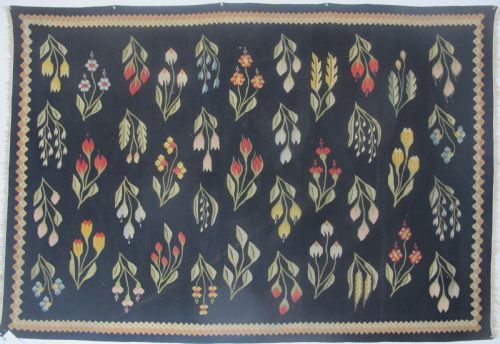
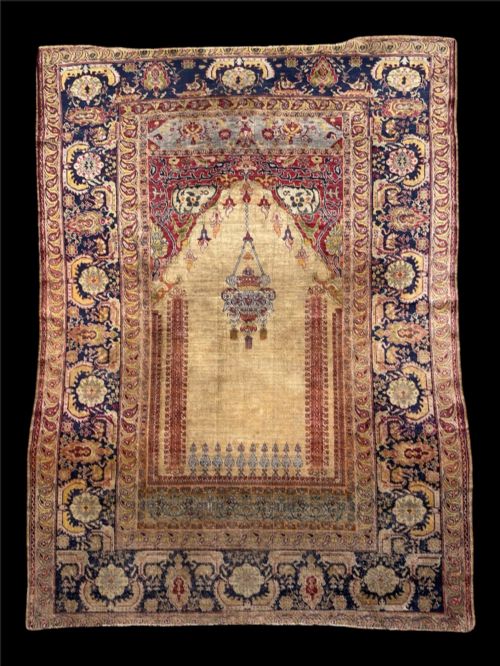
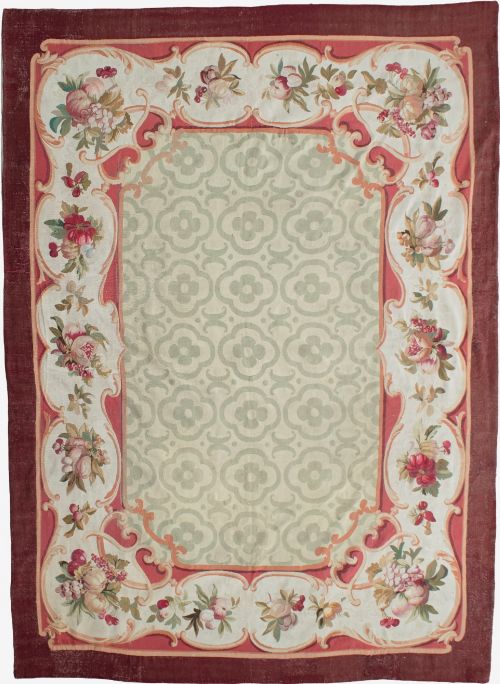
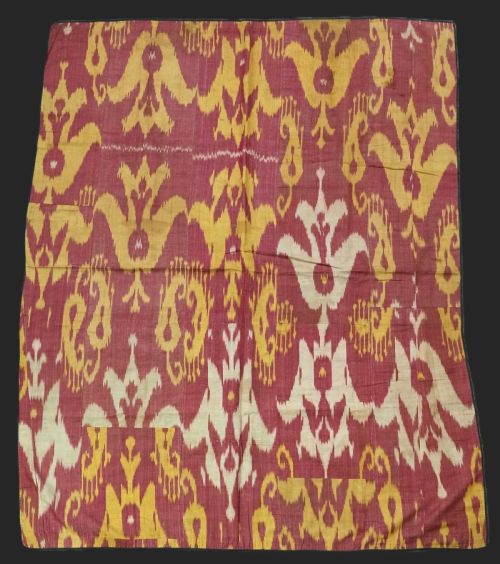
The selection on this page relies heavily on nineteenth and early twentieth-century examples, ranging from Bessarabian floral compositions to Pirot and Sarkoy kilims. Buyers encounter diverse regional styles such as Persian, Caucasian, and Uzbek flat-weaves alongside French Aubusson carpets.
Forms span from standard area rugs and large carpets down to smaller textile panels, cushions, and saddle bag faces. Each category reflects specific utilitarian roots adapted over generations into collectable interior furnishings.
Materials and Construction Techniques
Wool serves as the primary material across the majority of pieces, frequently paired with cotton foundations or handspun cotton details to provide structural stability. Silk and semi-silk adras yarns appear in select regional works, contributing refined sheen and intricate detail to prayer rugs and fabric panels.
Weaving techniques rely on traditional flat-weaving methods, slit-tapestry construction, and specialised supplementary weft wrapping such as Sumac. Embroidered panels utilise needlepoint and detailed surface stitching on woven grounds to build up floral and geometric motifs.
Listings feature flat-woven rugs and panels spanning the nineteenth and early twentieth centuries, created from wool, cotton, and silk.
Assessing Quality and Execution
Quality rests upon the crispness of the design execution and the handling of the palette, where warm, soft tones and balanced repeats demonstrate superior dyestuff mastery. Pieces featuring scarce motifs or complex structural striping require advanced technical skill from the weaver.
The integrity of the flat weave and the survival of the original borders or selvedges distinguish finer examples from standard utilitarian survivors. Denser fibre packing and refined handling of wool or silk yarns elevate the overall presence of the textile.
The Traditional Woven Tapestry Rug Glossary
- Kilim
- An untufted, flat-woven carpet or rug produced by tightly interweaving warp and weft strands. This technique creates a smooth surface without a pile.
- Soumak
- A flat-weaving technique utilising a wrap-and-weft method that produces a durable structure with raised textural surface patterns. It often appears on tribal storage bags and panels.
- Suzani
- A type of embroidered tribal textile originating from Central Asia, typically worked in silk or cotton on a cotton foundation. These panels display large-scale floral roundels and botanical motifs.
- Bessarabian
- A regional style of European tapestry-woven rug characterised by dark grounds and naturalistic floral sprays. They bridge traditional folk patterns and Western interior aesthetics.
- Prayer Rug
- A small rug featuring a mihrab or niche design used historically for ritual placement. These formats highlight specialised regional weaving traditions and fine materials.
Traditional Woven Tapestry Rug: Frequently Asked Questions
How do I care for a historic flat weave?
Protect the textile by placing it in low-traffic areas and using a breathable rug underlay to prevent sliding. Gentle vacuuming without a beater bar keeps dust from settling into the weave.
Professional textile cleaners should handle deeper maintenance when necessary. Avoid placing these pieces in direct sunlight to protect natural dyed wools and silks.
Can these textiles be hung on walls?
Many of these pieces, including fragments, saddle bag faces, and narrow panels, lend themselves well to vertical display. Using a fabric sleeve or specialised non-damaging textile clips distributes the weight evenly across the top edge.
Hanging helps preserve fragile flat weaves from foot traffic and lets intricate geometric or floral designs function as art. Ensure the hanging method avoids piercing the delicate wool or cotton ground.
What distinguishes a kilim from a pile carpet?
Kilims are constructed without a pile by tightly interweaving the horizontal weft threads across the vertical warp. This method results in a flat, lightweight textile that is completely reversible.
Pile carpets instead feature knotted vertical strands that are sheared to create a plush surface. This structural difference gives tapestry rugs a distinctively crisp graphic quality.
Where were these regional carpets made?
The pieces originate from diverse weaving centres spanning Central Asia, the Caucasus, Anatolia, and Eastern Europe. Tribal groups and village workshops each developed distinct structural methods and colour palettes.
Town workshops in France and Romania produced more formal floral compositions for Western interiors. Geographic origin dictates the specific wool types, dyes, and geometric motifs found in the weave.