





Wool Embroidery Sampler
A wool embroidery sampler is a piece of historic textile art that brings tangible domestic history and quiet colour into a room.
Wool Embroidery Sampler
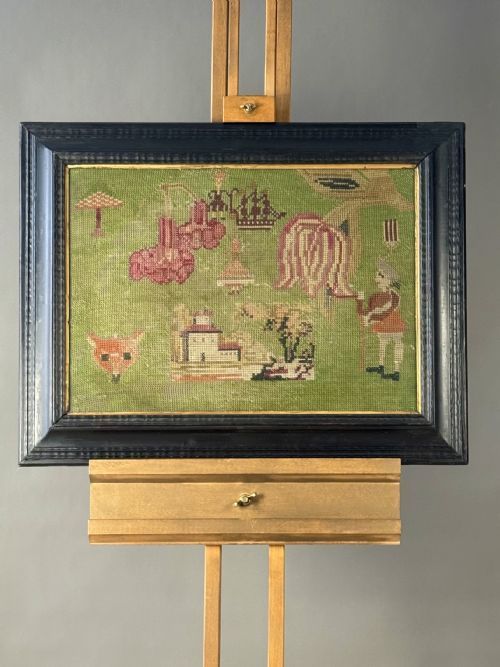
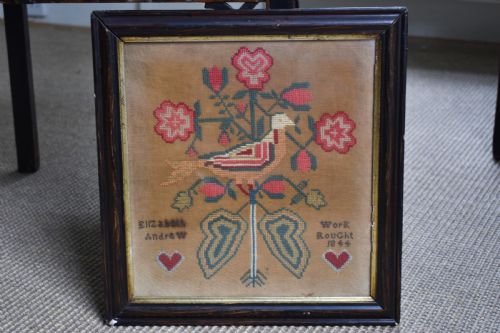
A wool embroidery sampler spans several distinct periods, with eighteenth-century needlework pictures and nineteenth-century Victorian pieces appearing most frequently alongside folk art and twentieth-century examples. These works take the form of framed wall art, needlework pictures, and traditional samplers created by makers ranging from young children to skilled artisans.
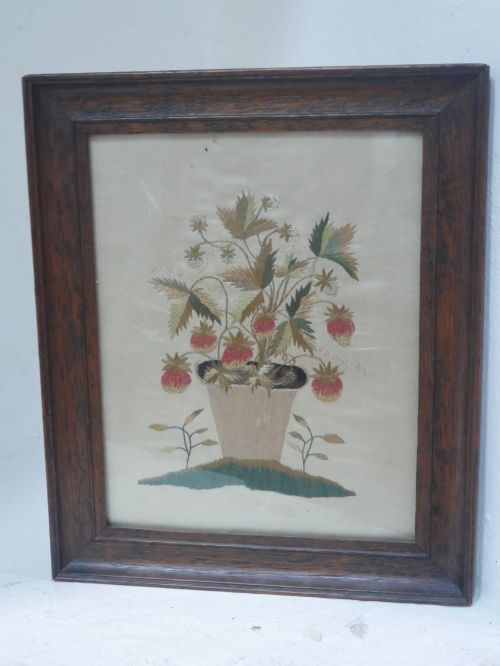
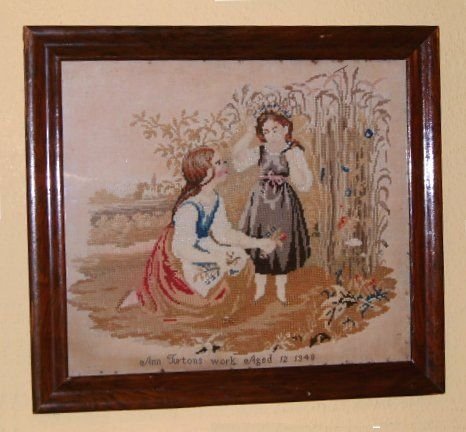
The subjects depicted on these pieces vary considerably, including botanical studies, religious scenes such as Saint Peter holding the keys of heaven, and pictorial subjects like a girl feeding a swan or a pot of strawberries. Many are preserved behind glass in their original wooden or rosewood frames.
Collectors encounter works dating from the eighteenth century through to the nineteenth century, Victorian era, and nineteen-thirty, representing a long tradition of domestic textile craft. Each piece records the specific stitching choices and materials available to its maker at the time of creation.
How they were made
Makers utilised wool and silk threads stitched onto a backing of linen or canvas to build up the pictorial surface of these works. Gros point and petit point techniques appear frequently in nineteenth-century examples, creating detailed textured imagery.
Completed textile works were housed in timber surrounds, including frames made of rosewood, plain wood, and gilded wood, often protected by a layer of glass. This framing method helps preserve the delicate wool and silk fibres from environmental damage.
Wool Embroidery Sampler Retail Price Guide 2026
Typical asking prices for wool embroidery sampler among the pieces listed under this phrase on Sellingantiques today, from the lower quarter to the upper quarter. They describe what is for sale here now, not the wider market.
Listings feature wool, linen, silk, and canvas combined within frames of rosewood, plain wood, and gilded wood.
What varies in quality
The sophistication of the needlework design and the precision of the stitching set the standard across these pieces, ranging from charming folky interpretations to highly detailed pictorial scenes. Finer examples display intricate execution in gros point and petit point that creates distinct depth and clarity in the imagery.
The preservation of the original materials, including the vibrancy of the wool and silk threads and the integrity of the linen or canvas ground, distinguishes superior survivals. The presence of a period frame, such as one made of rosewood, enhances the overall integrity of the piece.
The Wool Embroidery Sampler Glossary
- Sampler
- A piece of needlework produced to demonstrate a maker's skill with various stitches and motifs. These exercises often served as practice pieces or records of accomplishment.
- Gros point
- A coarse type of needlepoint stitch worked on canvas that creates a bold, textured surface. It is frequently seen in nineteenth-century wool work.
- Petit point
- A fine needlepoint stitch worked on a high-count canvas to achieve detailed pictorial results. This technique allows for subtle shading and complex visual elements.
- Needlework picture
- A framed textile artwork designed primarily for display rather than as a stitch reference. These compositions often depict specific figures, animals, or botanical subjects.
- Canvas
- A sturdy woven fabric used as the foundational ground for needlepoint and tapestry work. It supports the tension of wool and silk threads over time.
Wool Embroidery Sampler: Frequently Asked Questions
How do I hang a textile sampler?
Protect the piece from direct sunlight to prevent the wool and silk threads from fading over time. Hang it on an interior wall away from sources of excessive moisture.
Ensure the frame, whether rosewood or simple wood, is securely fixed to support the weight of the glazed artwork.
How do I date a needlework sampler?
Examine the style of the stitching, the framing materials, and any dated inscriptions or signatures worked into the textile itself. Eighteenth-century pieces often feature different compositional layouts compared to Victorian examples.
The choice of materials, such as rosewood frames popular in the nineteenth century, provides additional clues to the period of creation.
What is the difference between a sampler and a picture?
A sampler traditionally displays rows of alphabets, numbers, and practice stitches executed to demonstrate proficiency. A needlework picture focuses on a single pictorial scene, such as a botanical study or a narrative subject.
Both forms utilise similar wool and linen materials but serve different decorative and educational purposes in historical domestic life.