





Framed Sampler
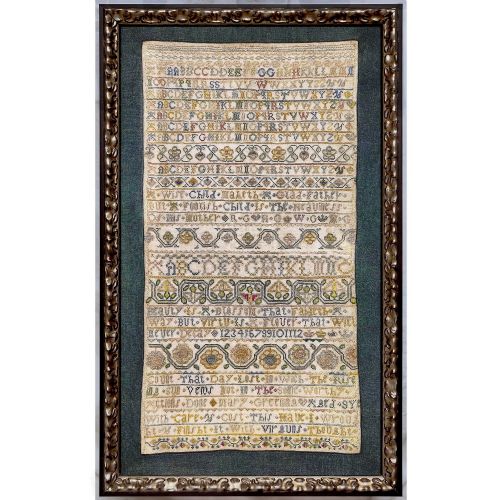
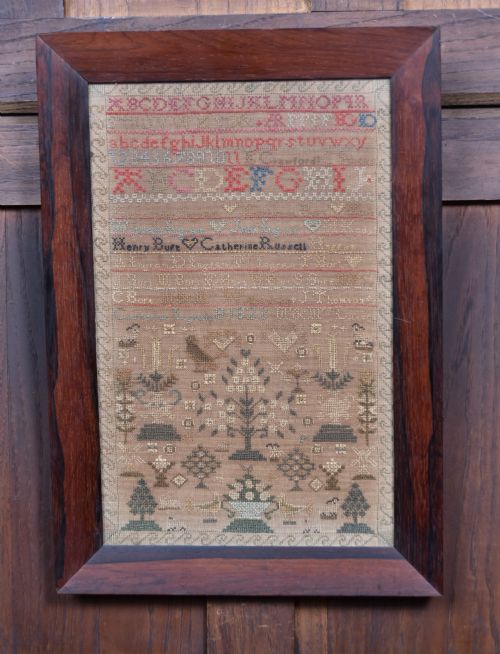
When you search for a framed antique sampler, you are looking at centuries of hand-stitched needlework preserved behind glass in wooden frames.
Framed Sampler
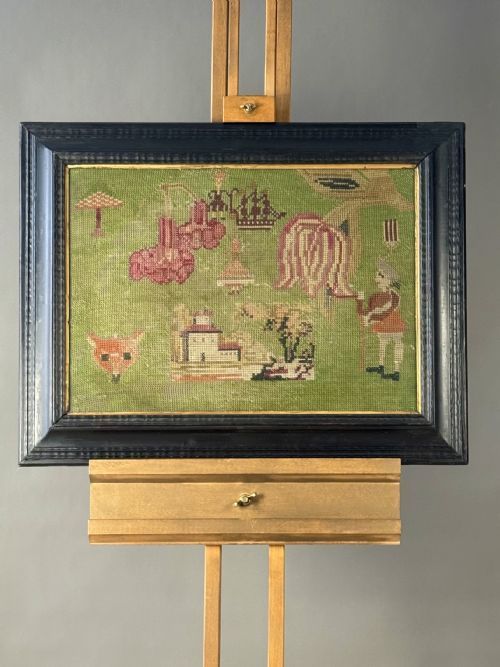
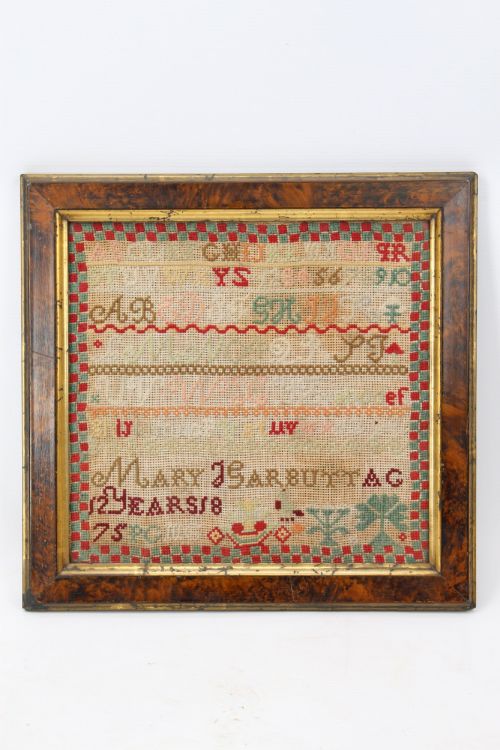
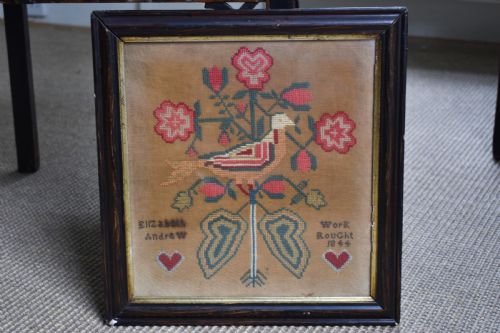
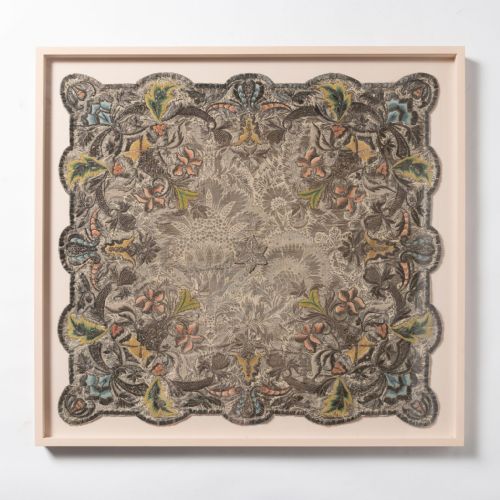
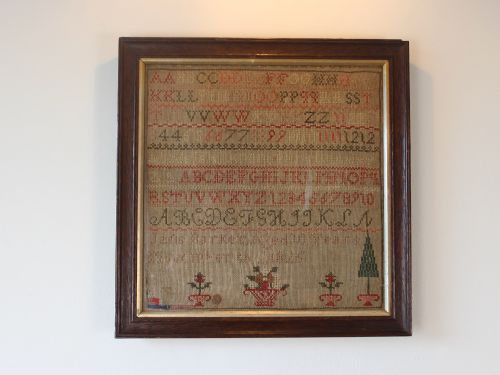
A framed antique sampler is a piece of textile art worked in silk, wool, or thread upon a linen ground, often recording the maker's name, age, and date alongside alphabets, motifs, or maps. When you examine this page, you will find examples originating from the eighteenth and nineteenth centuries, spanning Georgian and Victorian periods.
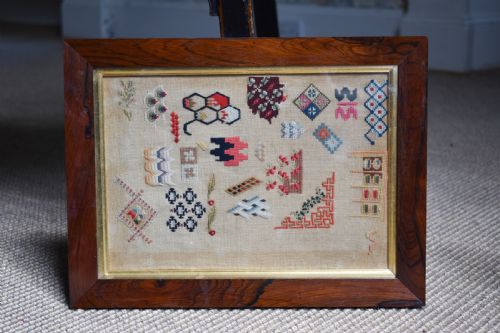
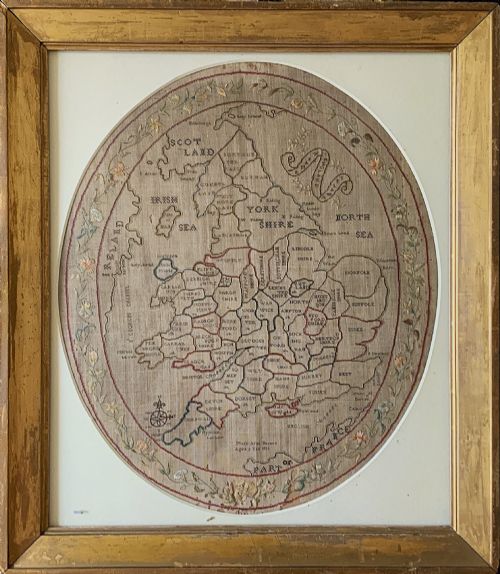
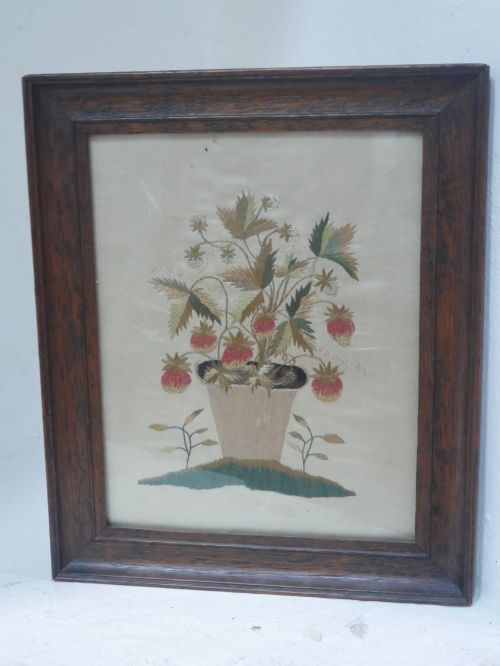
The forms vary from simple alphabet exercises to elaborate pictorial works, including map samplers of England and Wales, religious scenes, and botanical subjects. Many of these needlework pieces retain their original wooden frames and protective glass, which have shielded the delicate embroidery from dust and handling over generations.
How they were made
Maker's stitched these works using silk floss, wool, or cotton thread upon woven linen grounds, employing a variety of embroidery stitches to build up the surface pattern and texture. Working by natural light, young girls and skilled embroiderers executed alphabets, numerals, and pictorial motifs with precise needlepoint technique.
Completed textiles were mounted into wooden frames, sometimes backed with paper or card, and glazed with early window glass that often displays bubbles and distortion characteristic of period manufacture.
Listings feature linen grounds, silk thread, and wool work housed within original wooden frames under glass.
What varies in quality
Quality in these textiles rests upon the fineness of the linen ground, the complexity and execution of the stitchwork, and the clarity of the composition. Pieces featuring intricate pictorial scenes, detailed maps, or well-executed figures display a higher level of needle skill than basic alphabet drills.
Condition plays a significant role in the overall quality, particularly the survival of original vibrant thread colours against fading from light exposure, as well as the integrity of the original wooden frame.
Mary J Garbutt·Mary Banion·Mary Greening·Annabella Samon·Jane Wettmore·Louiss Elkins·Elizabeth Horn·Ann Hodson·Margaret Ann Blackow·Maggie Muir·Sarah Baker·Mary Mason·Ann B Gilies·Sarah Anne Hudson
The Framed Sampler Glossary
- Sampler
- A piece of needlework produced as a demonstration or test of skill in various stitches, often featuring alphabets and numerals. They served as both practical exercises and decorative keepsakes.
- Band sampler
- An early format of needlework where various horizontal rows of patterns, motifs, and lace stitches are worked in parallel bands across a long strip of linen.
- Map sampler
- A specialised geographical embroidery depicting countries or counties, frequently produced during the Georgian period as part of a young person's education in geography and needlework.
- Gros point
- A type of needlepoint stitch worked on canvas or coarse linen, producing a bold, durable textured surface often seen in nineteenth-century pictorial panels.
- Linen
- A strong textile made from the fibres of the flax plant, utilised as the foundational fabric for the vast majority of antique needlework pieces.
Framed Sampler: Frequently Asked Questions
What is an antique sampler?
An antique sampler is a historic textile worked in thread or wool upon a linen backing, created to demonstrate needlework proficiency.
These pieces frequently record the maker's name, age, and a date, offering a direct link to the domestic education of past centuries.
How old are these samplers?
The examples on this page primarily date from the eighteenth and nineteenth centuries, encompassing both the Georgian and Victorian eras.
A number of pieces bear specific dates stitched directly into the fabric by the original maker.
How should I hang a framed sampler?
These textiles require placement away from direct sunlight to prevent the silk and wool threads from fading over time.
Keep them in rooms with stable humidity and temperature to protect both the antique wooden frames and the fragile linen grounds.
Why do some samplers have stitch errors?
Makers were often young children learning the complex art of embroidery, which naturally led to miscalculated rows or spelling mistakes.
These small human errors add authenticity and charm to the piece, proving the work was genuinely executed by hand.