




Victorian Needlepoint Bird
Victorian needlepoint bird pieces are charming nineteenth-century textile works bringing feathered subjects into domestic interiors through careful hand embroidery.
Victorian Needlepoint Bird
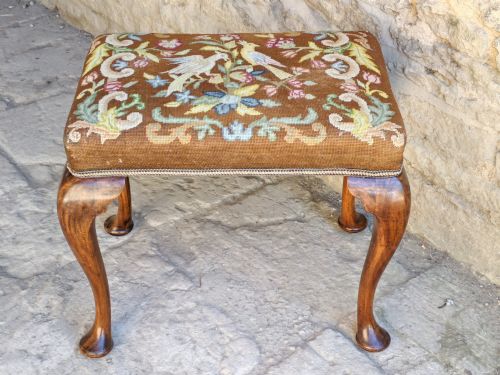
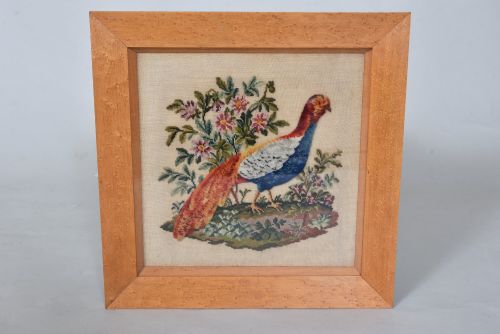
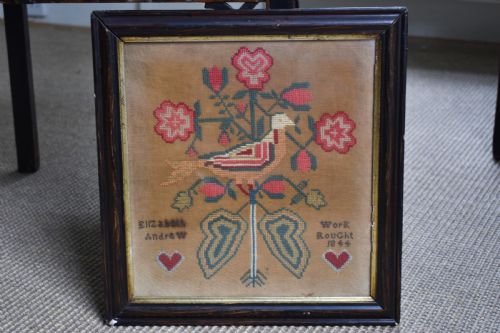
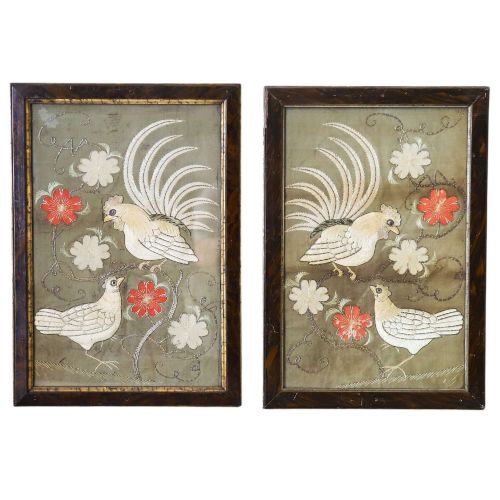
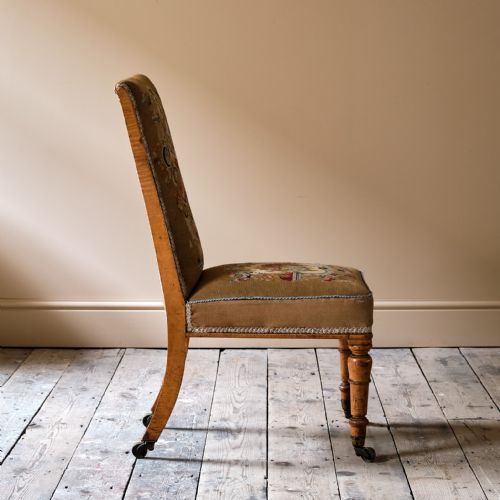
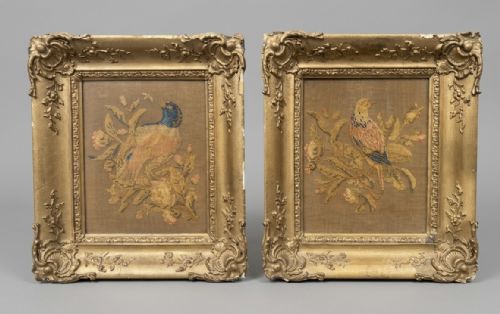
Victorian needlepoint bird items encompass a range of domestic objects including framed textile art, footstools, side chairs, and firescreens spanning the nineteenth century. These works capture avian subjects through wool tapestry, silk embroidery, and plushwork techniques upon linen grounds.
The pieces appearing on this page bridge several nineteenth-century stylistic moments, stretching from Georgian beginnings through William IV examples and Victorian Rococo Revival forms. Buyers meet framed wall art alongside seating furniture upholstered in period tapestry fabric.
Makers utilised various framing materials such as maple wood, walnut, and faux tortoiseshell to house these embroidered avian depictions. The combination of textile art with period wooden frames defines the core of this selection.
How they were made
Craftsmen and makers constructed these items using wool and silk threads stitched onto linen grounds to form detailed avian motifs. Workers applied specialised methods including plushwork to create textured pheasant plumage and raised surface depth.
Makers housed finished embroideries within purpose-built wooden supports like birds-eye maple side chairs, walnut stools, and gilt or faux tortoiseshell frames. Glass protected sensitive silk and wool surfaces from dust and environmental wear in domestic settings.
Victorian Needlepoint Bird Retail Price Guide 2026
Typical asking prices for victorian needlepoint bird among the pieces listed under this phrase on Sellingantiques today, from the lower quarter to the upper quarter. They describe what is for sale here now, not the wider market.
Listings incorporate materials such as glass, wool, wood, linen, silk, maple wood, walnut, and wool tapestry across Victorian and Georgian periods.
What varies in quality
The standard of execution in the needlework separates finer examples from simpler student work, visible in the shading of feathers and the precision of the stitch. Complex compositions involving multiple cockerels, hens, or pheasants demand greater technical skill than basic samplers.
The supporting structure influences the overall caliber of the piece, distinguishing standard frames from selected maple wood or walnut furniture bodies. Preservation of the original glass, textile tension, and frame finish dictates the integrity of the surviving object.
The Victorian Needlepoint Bird Glossary
- Plushwork
- A textile technique utilising clipped loops of yarn to create a raised, velvety pile that imitates bird plumage. This method adds tactile dimension to nineteenth-century decorative panels.
- Sampler
- A piece of needlework produced to demonstrate proficiency in various stitches and designs. These exercises often record maker details or commemorative dates.
- Firescreen
- A standing household screen placed before a fireplace to block radiant heat when the hearth was unlit. They frequently featured framed needlepoint panels depicting birds or floral motifs.
- Birds-eye maple
- A figured timber exhibiting small dots resembling bird eyes across the grain. Cabinetmakers prized this wood for nineteenth-century furniture frames.
Victorian Needlepoint Bird: Frequently Asked Questions
What are victorian needlepoint bird pieces?
These pieces are nineteenth-century textile artworks and upholstered furnishings featuring hand-stitched avian subjects. They include framed wool tapestry panels, silk embroideries, footstools, and firescreens.
Makers produced them across the Victorian, William IV, and Georgian periods using materials like wool, silk, linen, walnut, and maple wood.
How were these textile works displayed?
Needlepoint panels typically hung upon domestic walls inside protective glass frames of gilt, maple, or faux tortoiseshell. Alternatively, artisans integrated them directly into functional furniture such as side chairs, stools, and firescreens.
This dual presentation allowed nineteenth-century households to exhibit decorative avian needlework as both pure art and practical seating.
What materials did makers use?
Needlework sections rely primarily on wool tapestry yarns and silk threads stitched onto supporting linen grounds. Plushwork variations incorporate clipped pile for textured bird feathers.
Supporting frames and furniture structures utilise hardwoods including walnut, birds-eye maple, and general timber framing finished with glass protection.
How do I identify the period?
Dating relies on the surrounding furniture style, frame construction, and recorded historical markers within the specific listing details. Pieces span the Georgian era through William IV and the broader Victorian period.
Stylistic shifts in the wooden frames and mounting techniques help separate mid-nineteenth-century French and English examples from earlier work.