


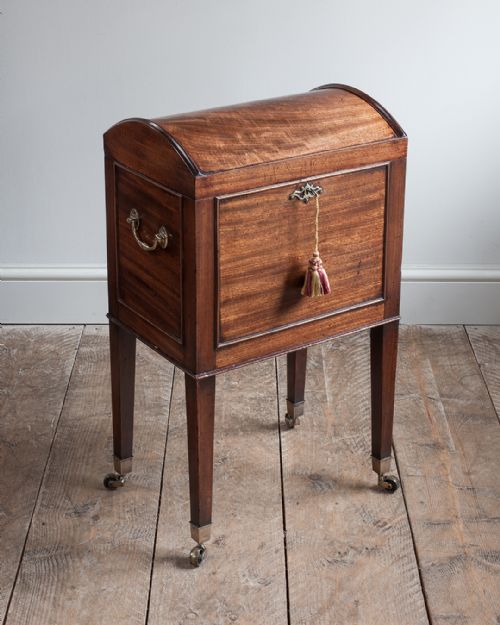

Wooden Wine Cooler Stand
A wooden wine cooler stand holds bottles at table height, combining robust carpentry with metal liners to keep hospitality flowing.
Wooden Wine Cooler Stand
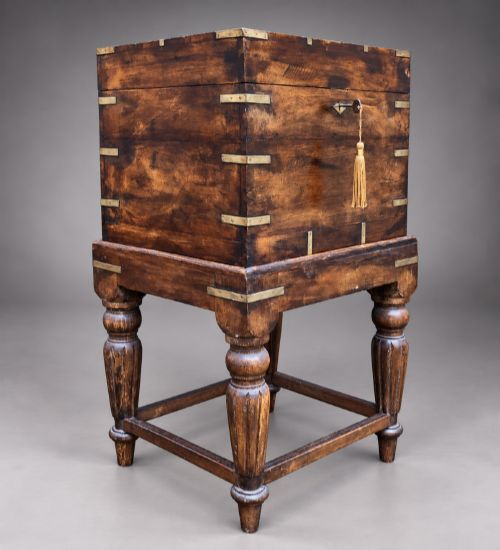
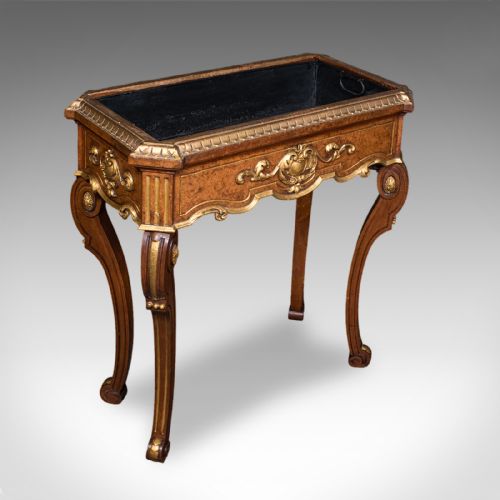
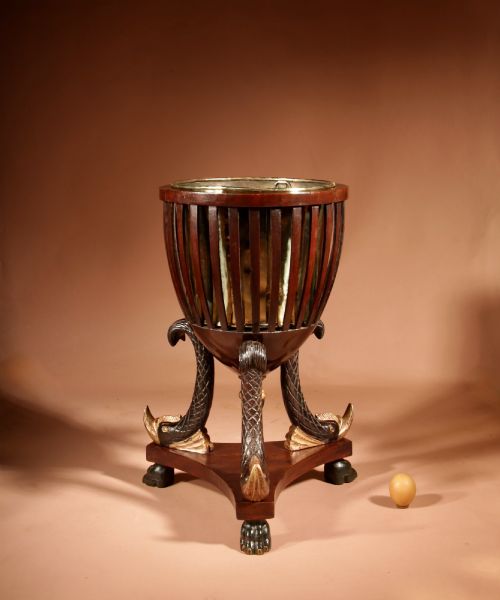
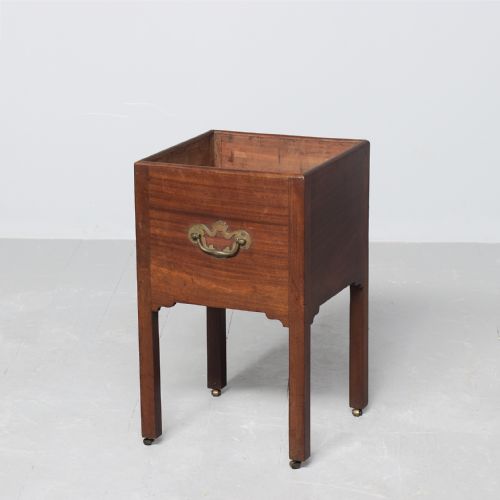
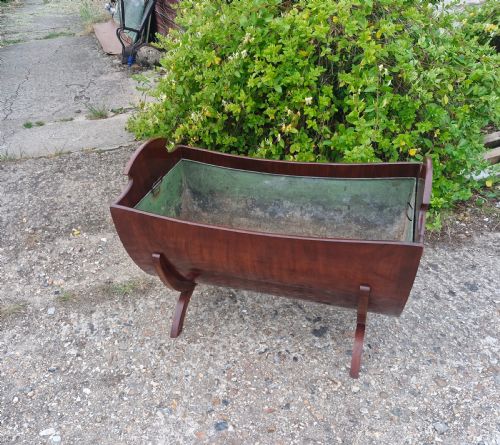
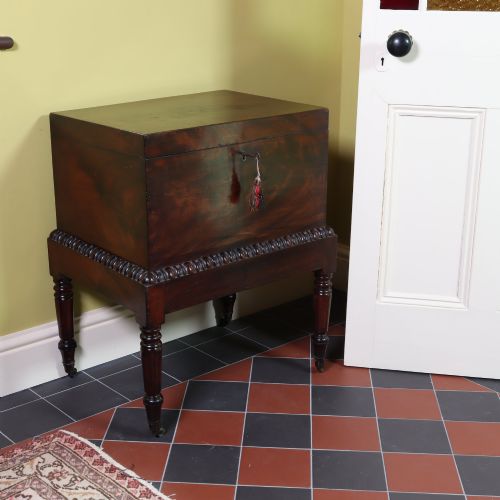
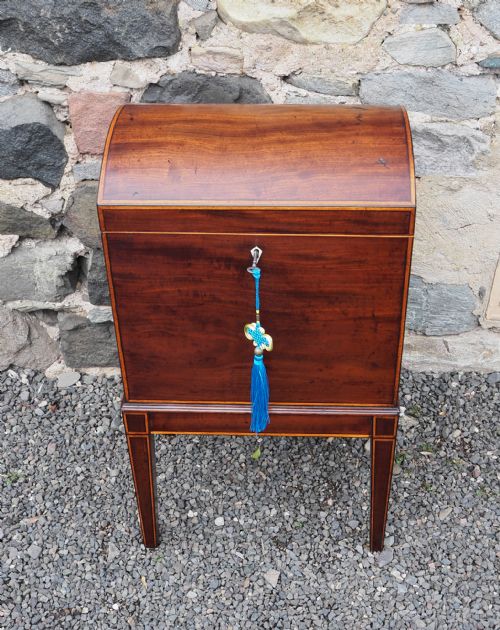
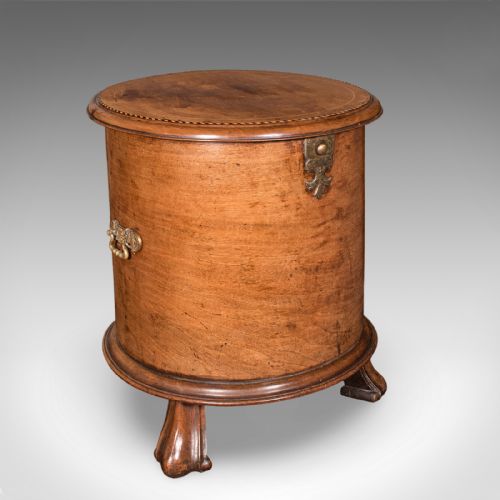
A wooden wine cooler stand is a specialised piece of furniture designed to hold bottles and ice during dining. When exploring this selection, buyers encounter forms ranging from Georgian cellarettes on dedicated frames to later jardiniere stands and planter tables.
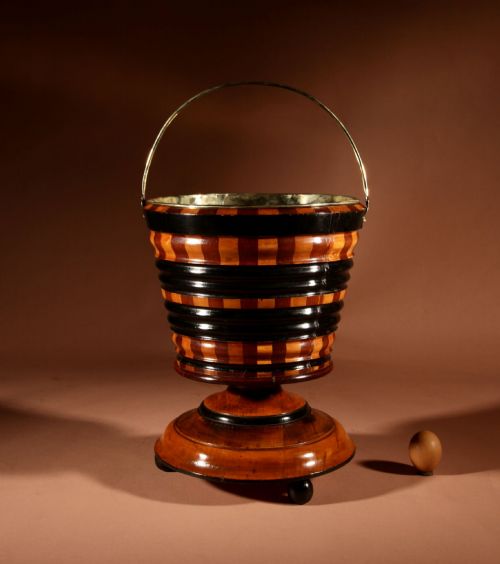
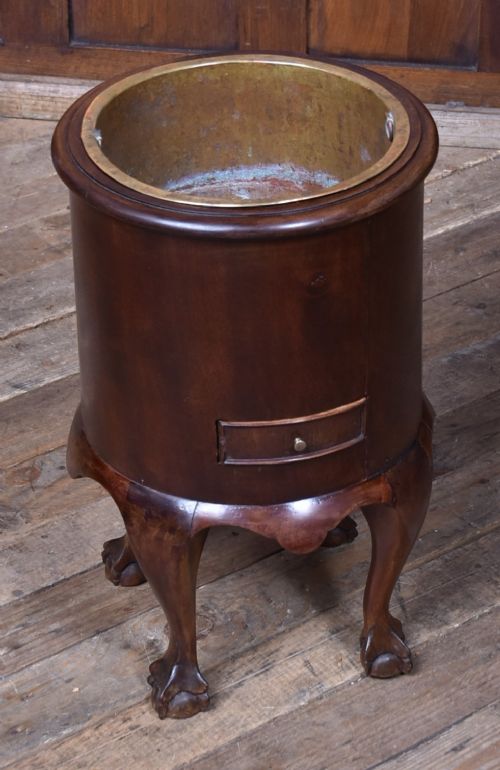
The objects span periods from the eighteenth century through the Edwardian era, taking the form of coopered buckets, table-height boxes, and freestanding pedestals. Mahogany and walnut appear frequently, often matched with oak and box tree elements.
Many items bridge multiple domestic uses, serving interchangeably as wine boxes, champagne coolers, log baskets, and plant holders. The examples met on this page reflect both formal dining room appointments and country house utility.
Materials and construction methods
Cabinetmakers constructed these pieces primarily in solid mahogany, walnut, and oak, frequently utilising flame veneers and marquetry inlay for decorative effect. Coopered construction appears across barrel-shaped buckets and tubs, employing curved staves held tightly together by tension.
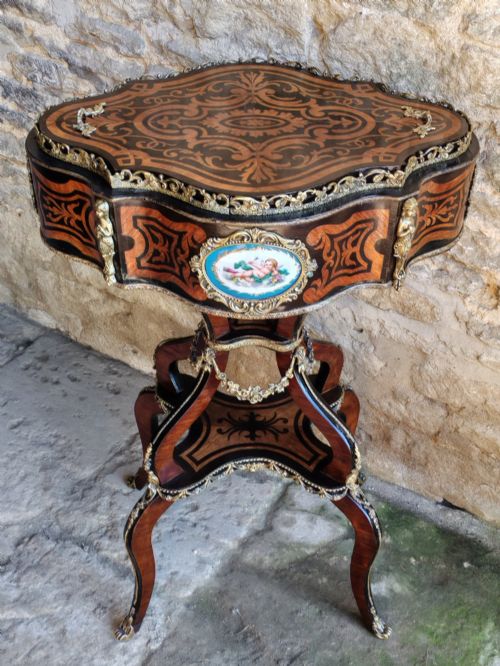
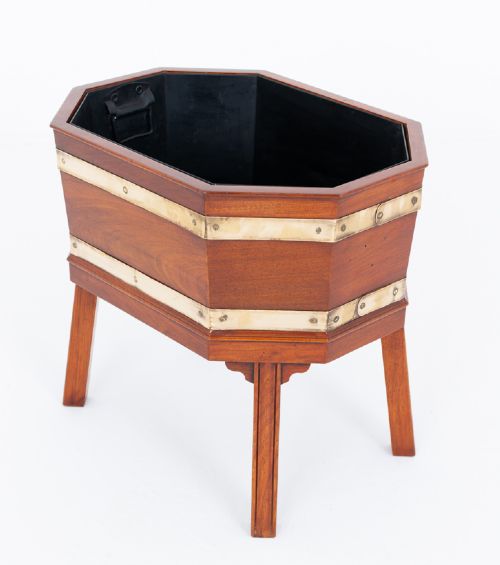
Metal components form an integral part of the fabrication, utilising brass for structural bands, handles, and mounts, alongside zinc linings designed to hold melting ice. Ebonised wood and ormolu also contribute surface contrast in specific French and Regency designs.
Several of these stately wine holders spent their retirement years quietly moonlighting as indoor plant pots in country house hallways.
Judging quality and execution
Quality rests in the integrity of the timber selection and the precision of the cooperage or cabinetry. Superior examples display dense, figured grain patterns and tight, well-fitted stave joints that withstand moisture over centuries.
The finesse of the hardware, including original brass bands, carrying handles, and internal liners, separates standard utility items from finer dining room appointments. Proportion and the relationship between the vessel and its stand dictate the visual balance of the piece.
The Wooden Wine Cooler Stand Glossary
- Cellarette
- A lockable cabinet or box designed to hold wine bottles securely near the dining table. They frequently sit upon fixed or separate wooden stands.
- Coopered
- Built from curved wooden staves joined side by side to form a round or oval vessel, much like a barrel. Metal bands typically bind the staves together.
- Jardiniere
- An ornamental stand or receptacle designed to hold growing plants or flowers. In many instances, these pieces share forms with wine coolers and ice buckets.
- Ormolu
- Gilded bronze applied as decorative mounts on furniture, seen particularly in French Empire and revival pieces. It provides a bright metallic contrast against dark woods.
- Marquetry
- Decorative veneer work created by fitting small pieces of various woods and other materials into a patterned design. It decorates surfaces on select walnut and satinwood pieces.
Wooden Wine Cooler Stand: Frequently Asked Questions
What is a wooden wine cooler stand?
A wooden wine cooler stand is a piece of antique furniture built to hold wine bottles, ice, or water during meals. These items range from boxes on legs to coopered buckets.
Craftsmen designed them to keep beverages chilled while remaining accessible to guests and hosts around the dining table.
How were these stands used historically?
Dining rooms utilised these stands to hold bottles before service, keeping wine at cellar temperature with the help of ice or cold water. Liners made of metal protected the wood from moisture.
Over time, many of these vessels transitioned into general plant holders, log baskets, or decorative side tables.
How do I care for wooden wine coolers?
Keeping these pieces out of direct sunlight and away from rapid temperature changes protects the wood and prevents veneer from lifting. Applying appropriate wax maintains the finish.
Liners require careful drying after any exposure to moisture to preserve the surrounding timber and metal bands.
How can I tell the period of a stand?
Construction methods, wood types, and decorative styles offer clues to the age of a piece. Georgian items often feature solid mahogany with brass banding, while later Victorian and Edwardian examples introduce varied veneers and alternative forms.
Comparing the hardware, feet, and internal construction against dated examples helps narrow down the manufacturing era.