

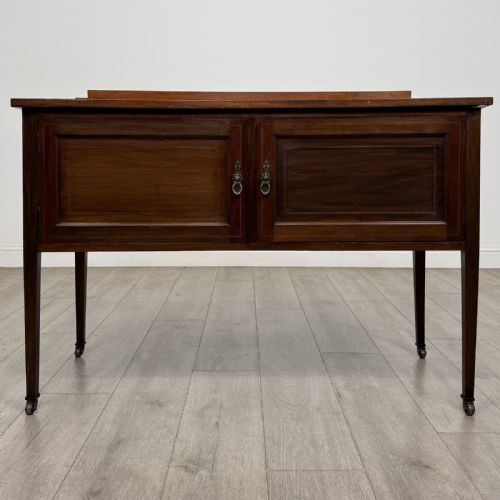
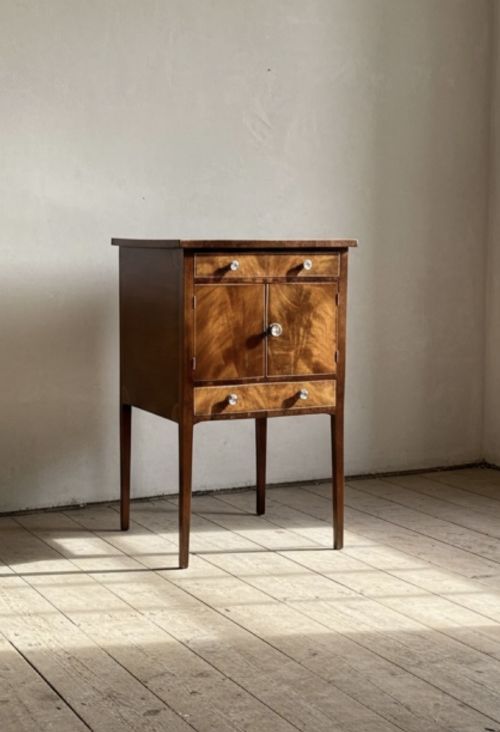
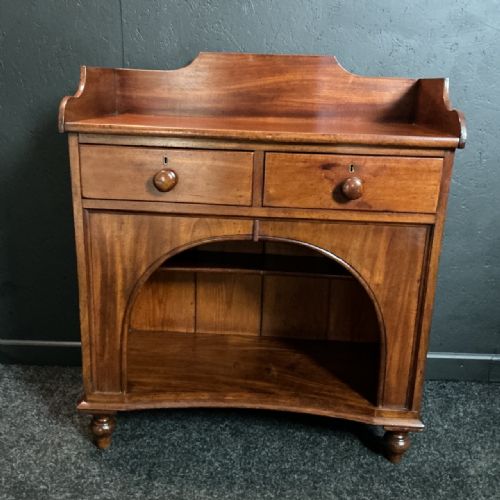
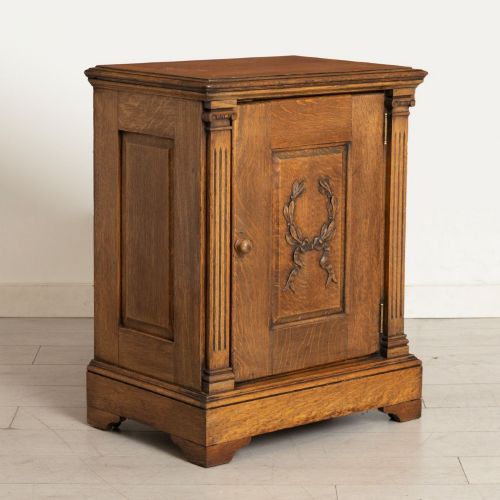


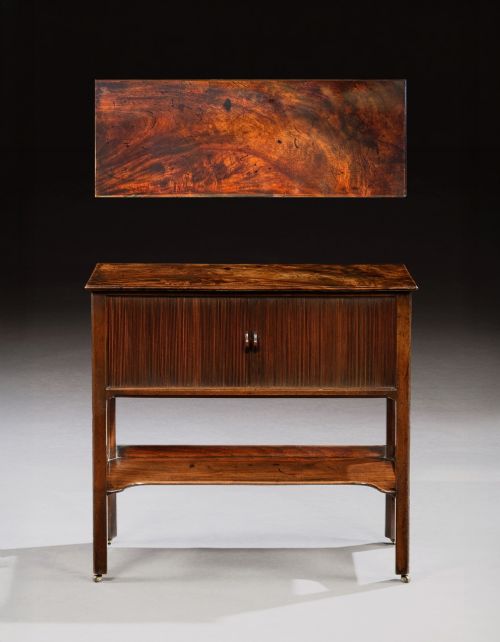


Wooden Washstand Cupboard
These wooden washstand cupboard examples combine practical bedside utility with period craftsmanship, offering sturdy storage solutions in traditional timbers.
Wooden Washstand Cupboard
A wooden washstand cupboard serves as a functional piece of period bedroom furniture, designed originally to house washing basins and chamber pots while concealing them behind doors. When searching for a wooden washstand cupboard, buyers encounter forms ranging from Georgian and Victorian designs to Edwardian variations.
Victorian and Georgian examples dominate the available selection, often utilising rich timber veneers and incorporating functional interior shelving or compartments. These items bridge the gap between utilitarian chamber furniture and decorative home furnishings.
How They Were Made
Cabinet makers utilised dense hardwoods such as mahogany, oak, and walnut, often applying flame mahogany veneer to visible surfaces for enhanced visual depth. Construction relied on traditional joinery methods to ensure durability in daily domestic use.
Selected pieces incorporate fitted marble tops designed to resist water splashes during personal hygiene routines, complemented by brass handles and hinges. Satinwood inlay and glass elements appear on specific Edwardian and Georgian iterations to provide decorative contrast.
Wooden Washstand Cupboard Retail Price Guide 2026
Typical asking prices for wooden washstand cupboard among the pieces listed under this phrase on Sellingantiques today, from the lower quarter to the upper quarter. They describe what is for sale here now, not the wider market.
James Shoolbred provided gentlemen with dedicated shaving stands before morning routines involved modern plumbing.
What Varies in Quality
The calibre of a piece depends heavily on the selection of timber, particularly the grain figuration found in flame mahogany or figured walnut veneers. Superior examples display meticulous attention to internal joinery and drawer construction.
Hardware selection and the integration of secondary materials such as marble or brass mounts distinguish standard utility items from finer domestic furnishings. The crispness of inlaid satinwood details further separates standard regional pieces from superior workshop productions.
James Shoolbred
The Wooden Washstand Cupboard Glossary
- Flame mahogany veneer
- A thin slice of mahogany timber featuring a distinct flickering, flame-like grain pattern. This decorative treatment was applied to primary surfaces on Georgian and Victorian cabinets.
- Satinwood inlay
- Small pieces of pale satinwood inserted into contrasting darker wood to form geometric or floral patterns. It serves as a decorative border on Edwardian and Georgian furniture.
- Pot cupboard
- A small bedside cabinet designed originally to enclose a chamber pot behind a single door. These compact forms are frequently grouped under washstand and bedside categories.
- Gothic Revival
- An architectural and decorative style popular during the nineteenth century, characterised by pointed arches and medieval motifs. Oak cupboards of this style display sturdy proportions and carved details.
Wooden Washstand Cupboard: Frequently Asked Questions
How do I use a washstand cupboard today?
These pieces function well as bedside cabinets or small side tables in modern bedrooms and hallways. Their enclosed storage space accommodates modern items while maintaining a traditional aesthetic.
The flat timber or marble tops provide convenient surfaces for lamps, books, and daily accessories, making historic furniture practical for contemporary living spaces.
What woods were used for these cupboards?
Mahogany remains the predominant timber across Georgian and Victorian examples, appearing both as solid wood and as decorative flame veneer. Walnut, oak, and pine also feature prominently in regional and period pieces.
Finer versions occasionally incorporate satinwood inlay for decorative contrast, while heavy marble tops were added to later nineteenth and early twentieth-century washstands for water resistance.
How do I distinguish Georgian from Victorian pieces?
Georgian pieces from the eighteenth and early nineteenth centuries typically exhibit restrained classical proportions, elegant bracket feet, and refined mahogany surfaces. The joinery reflects eighteenth-century cabinet-making traditions.
Victorian examples often display heavier proportions, darker finishes, and sometimes incorporated Gothic Revival or eclectic stylistic influences that emerged later in the nineteenth century.
Did washstands always have marble tops?
Marble tops became increasingly common during the Victorian and Edwardian periods to protect the wooden structure from water damage during washing. Earlier Georgian washstands relied entirely on timber surfaces.
Pieces designed specifically as bedside commodes or pot cupboards generally featured solid wooden tops rather than marble inserts.