
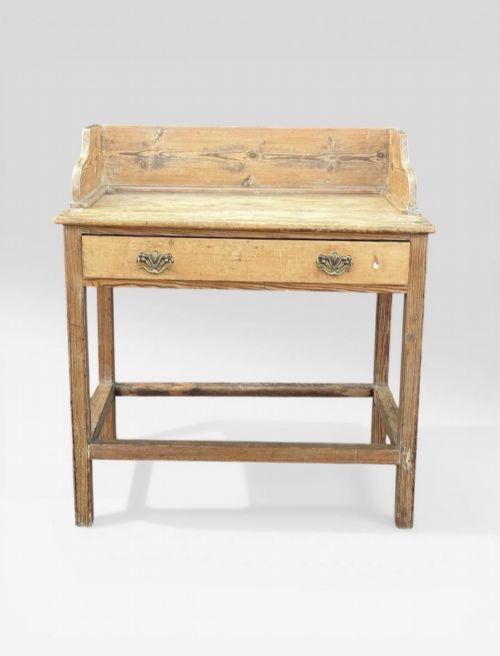


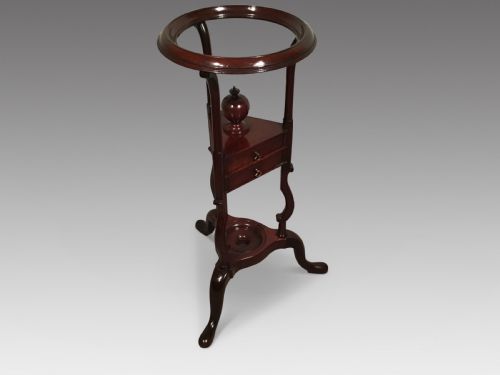


Wooden Wash Basin Stand
These wooden wash basin stand examples bring period utility into modern rooms, offering neat corners and timber warmth.
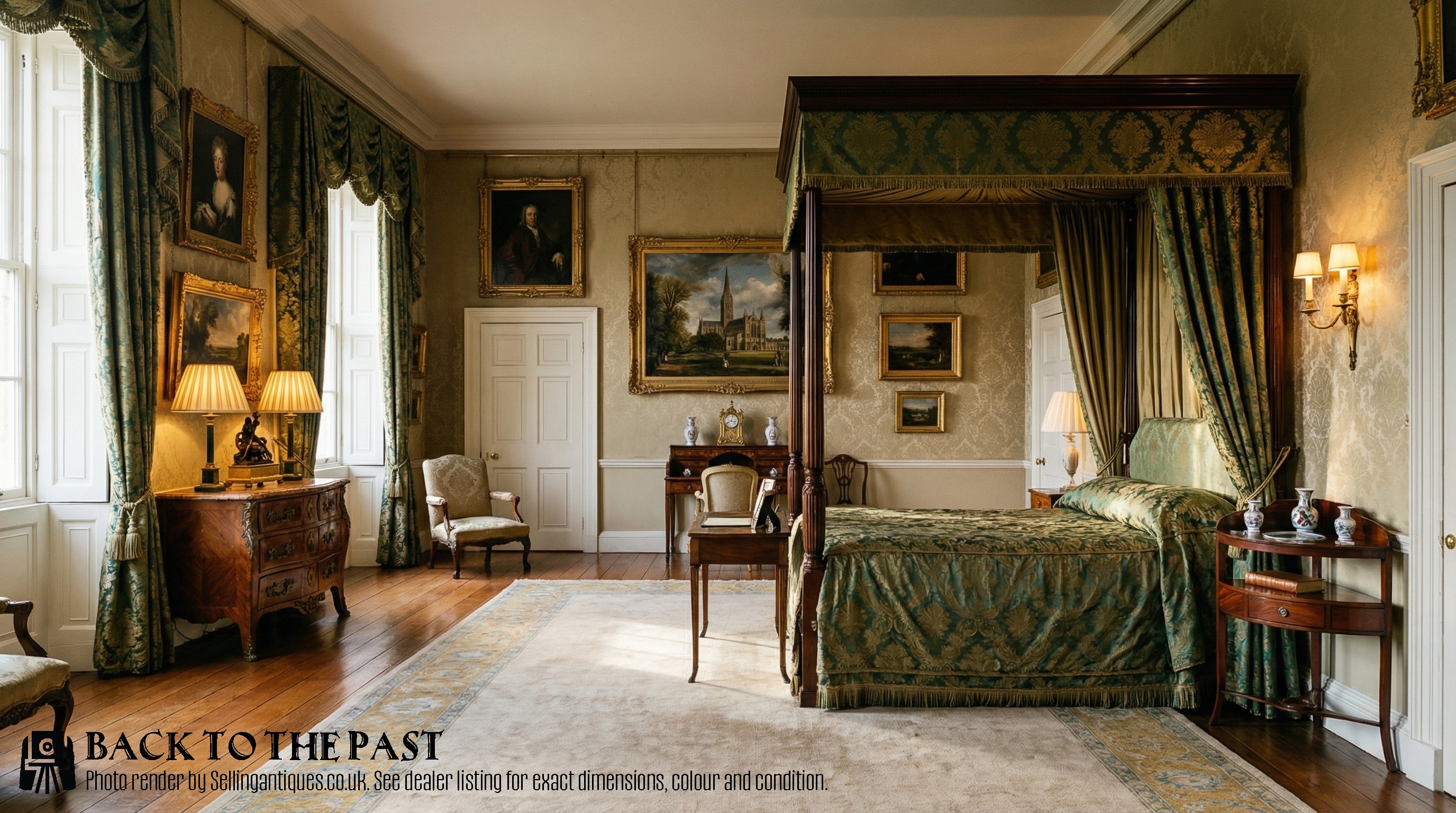
Wooden Wash Basin Stand
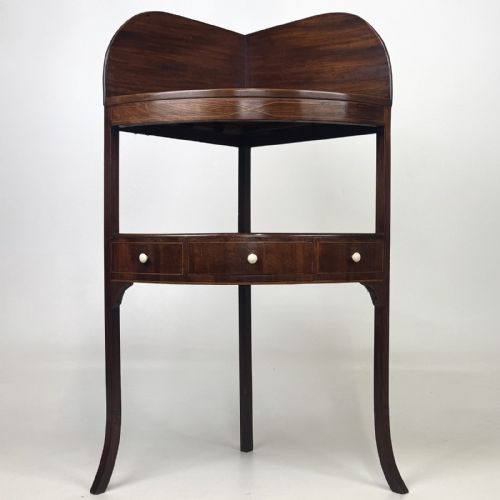
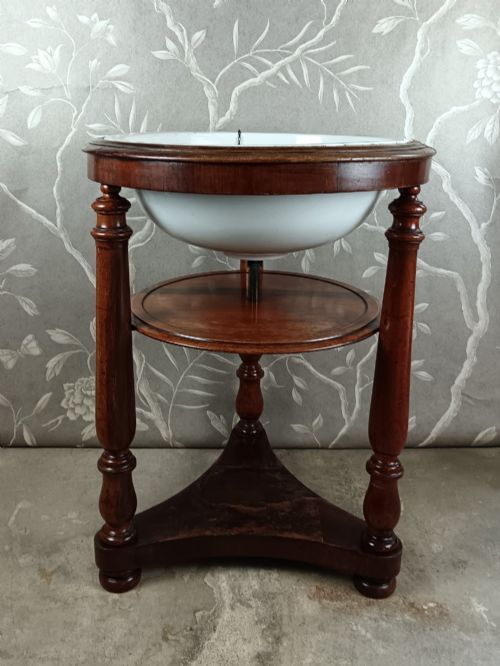
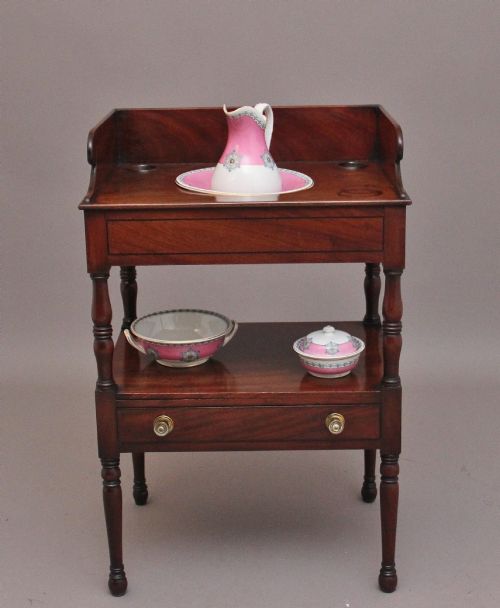
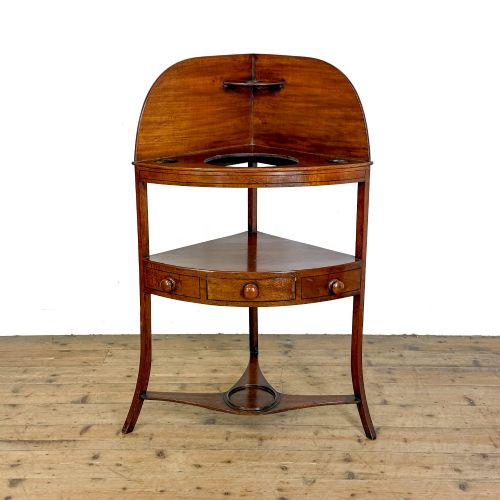
A wooden wash basin stand provides a dedicated spot for morning ablutions, taking several historic forms from the Georgian and Victorian eras. You encounter corner models designed to tuck neatly into domestic spaces alongside freestanding circular and cabinet varieties.
Early examples include specialised forms like wig stands, alongside basin stands with cut-outs for bowls. These items now function flexibly as occasional tables or lamp stands in contemporary settings.
How they were made
Cabinetmakers built these stands predominantly using solid and veneered mahogany, frequently accented with boxwood inlay for refined detail. Pine serves as the structural timber in simpler country pieces.
Metal and ceramic elements integrate with the woodwork, featuring brass fittings and occasional glass or ceramic components. Marble surfaces appear on later cabinet forms, providing a durable top for daily use.
Current listings feature pieces spanning the Georgian, Regency, and Victorian periods, constructed primarily in mahogany and satinbirch.
What varies in quality
The refinement of the timber selection dictates the standing of a piece, with figured mahogany and sharp boxwood inlay marking out superior examples. Simpler pine country furniture relies on robust utility rather than decorative cabinetwork.
Joinery execution separates standard production from finer workshop output, particularly in the construction of curved corner frames and housing for basins. Original brass hardware and intact secondary timbers preserve the integrity of the piece.
The Wooden Wash Basin Stand Glossary
- Corner washstand
- A triangular furniture piece designed to fit snugly into the corner of a room to save floor space. These often feature tiered shelves for ewers and basins.
- Wig stand
- A specialised small stand with a spherical top designed to hold a gentleman's wig when not in use. They share similar tripod or pillar forms with early basin stands.
- Campaign washstand
- Portable furniture built for travel, featuring folding elements or fitted compartments for officers on the move. These pieces prioritise robust practicality.
- Satinbirch
- A pale, figured timber utilised in later Victorian cabinetry for a lighter aesthetic. It offers a distinct contrast to the darker mahogany of earlier periods.
- Boxwood inlay
- Contrasting light wood inserted into darker timber surfaces to create geometric or linear patterns. This decorative technique highlights the skill of the maker.
Wooden Wash Basin Stand: Frequently Asked Questions
What is a wooden wash basin stand?
A wooden wash basin stand is a historic piece of furniture designed to hold a bowl and pitcher for washing before plumbed bathrooms existed. They range from compact corner units to freestanding circular tables.
Today, these stands function well as decorative side tables, plant stands, or occasional furniture in hallways and bedrooms.
How do I date a washstand?
Dating relies on timber choice, style markers, and construction methods visible across different eras. Georgian and Regency pieces favour mahogany with refined lines, while Victorian examples often introduce satinbirch or marble.
Looking at secondary timbers and fixings helps confirm the period of manufacture, moving from eighteenth-century cabinetmaking to later nineteenth-century production.
Where were corner washstands placed?
Corner washstands were made to occupy unused angles in bedrooms and dressing rooms. Their triangular footprint maximised available floor space in smaller domestic quarters.
In modern rooms, this same shape allows them to sit unobtrusively in tight corners while displaying objects on multiple tiers.
Can I still use these for plants?
Many people repurpose these stands to hold potted plants, taking advantage of the circular cut-outs originally made for washbasins. The lower tiers also accommodate trailing foliage or decorative items.
Protecting the historic wood surfaces from moisture is essential when using them for live plants.