



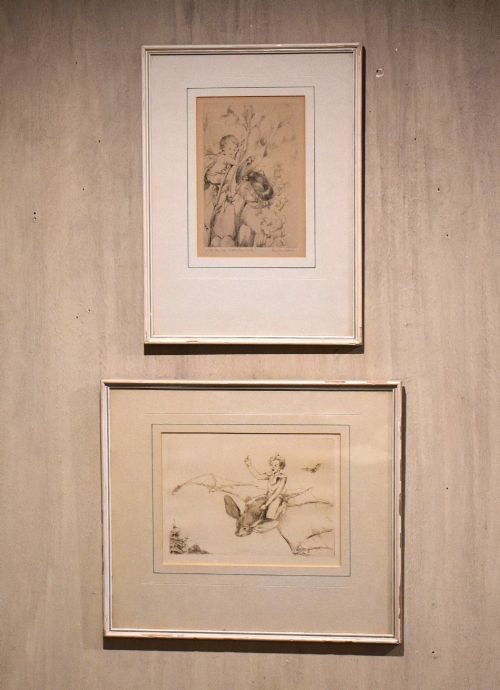
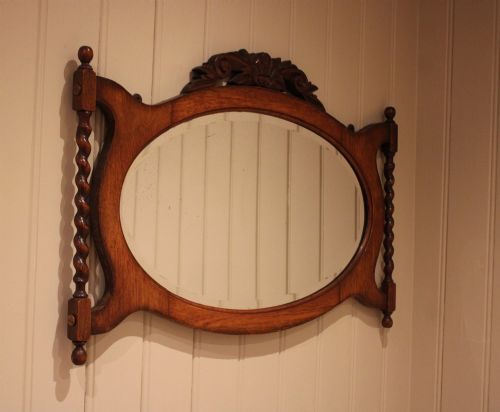
Wooden Wall Frame
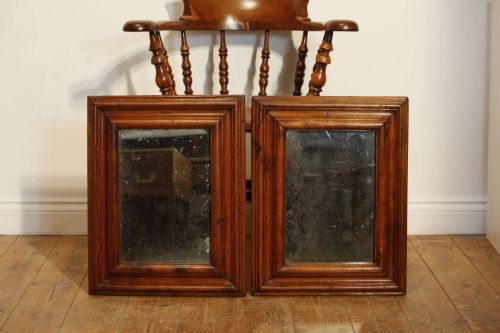
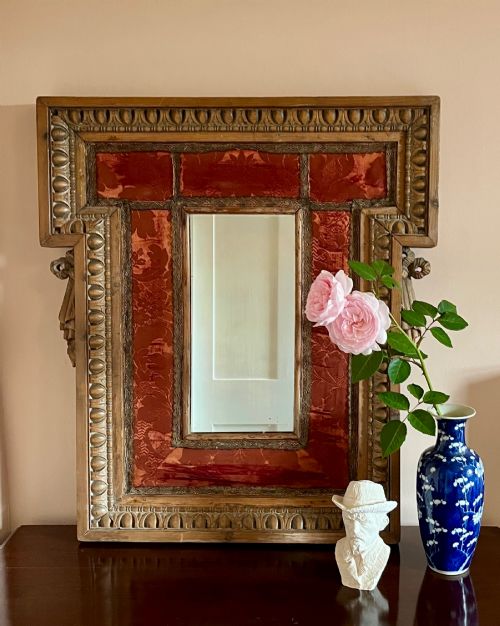
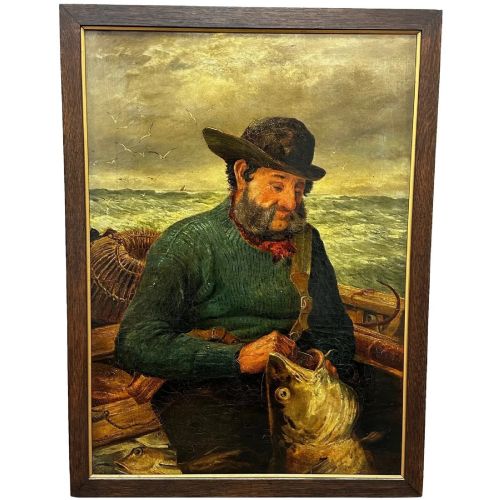
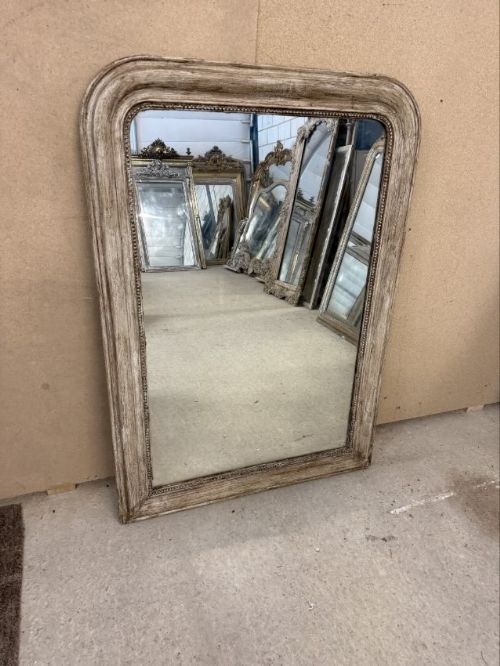
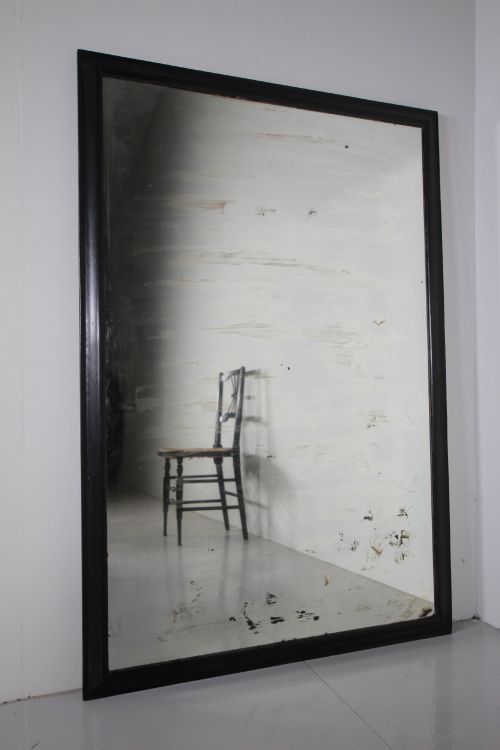
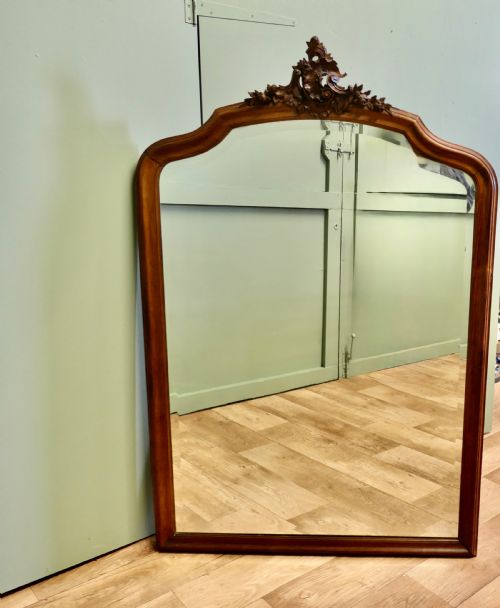
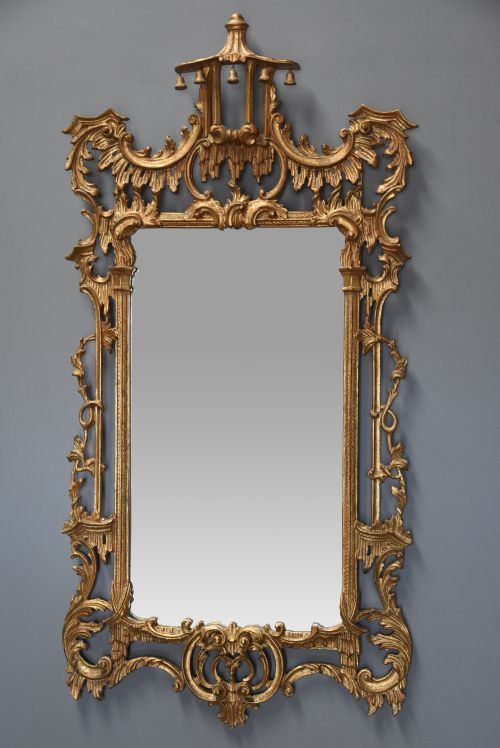
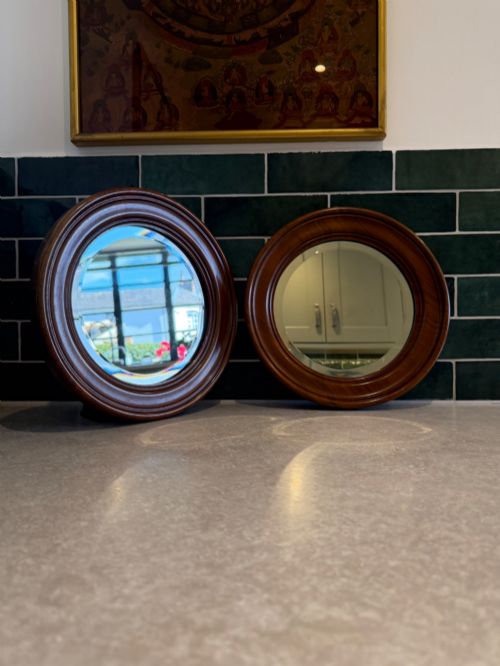
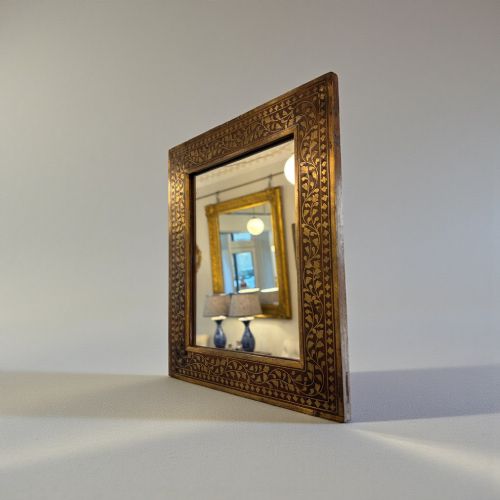
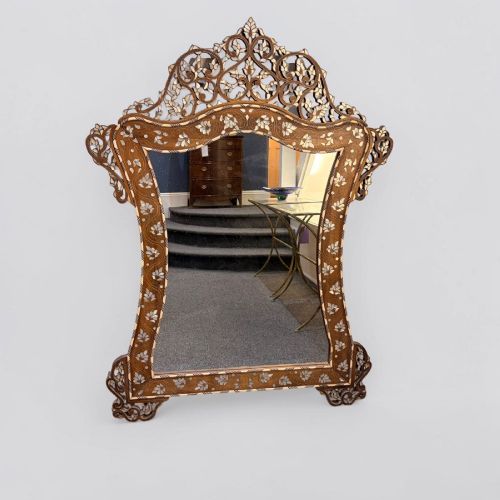
A wooden wall frame holds mirrors and paintings together on the wall, bringing timber grain and carved detail into a room.
Wooden Wall Frame
A wooden wall frame houses paintings, prints and mirrors across centuries of design, from Georgian mahogany fretwork to Edwardian carved oak. Buyers seek these pieces to anchor artwork or reflect light using timber mouldings.
The most common versions on this page are wall mirrors and paintings enclosed in wood, spanning the eighteenth, nineteenth and early twentieth centuries. These encompass oak, walnut and ebonised finishes alongside painted and gilded surfaces.
Origins stretch from English workshops to French provincial makers and Italian centres, showing regional preferences for carved chestnut, satin birch and inlaid brass. Each piece uses its timber border to frame the visual space within.
Materials and construction
Joinery relies on solid timbers like oak, walnut, pine and chestnut, shaped by hand or turned into round, oval and arched profiles. Carvers add depth through relief work, floral motifs and architectural pediments.
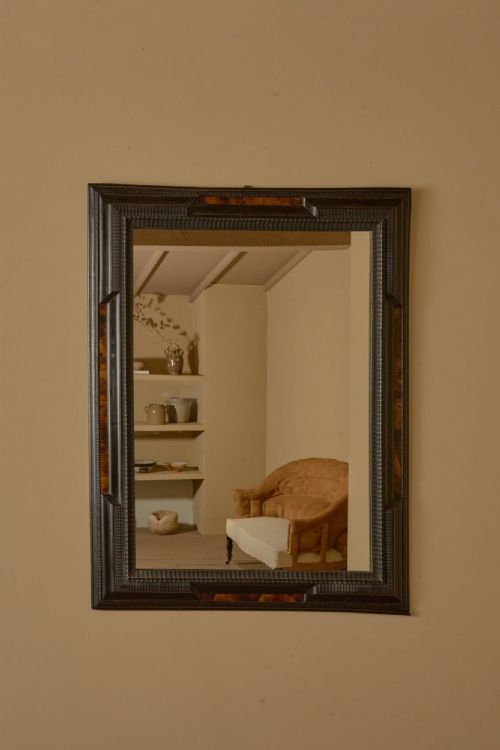
Surfaces receive various treatments including ebonisation, gilding, paint, faux tortoiseshell and parcel-gilt highlights. Inlays of brass or contrasting woods add fine detail to the primary timber ground.
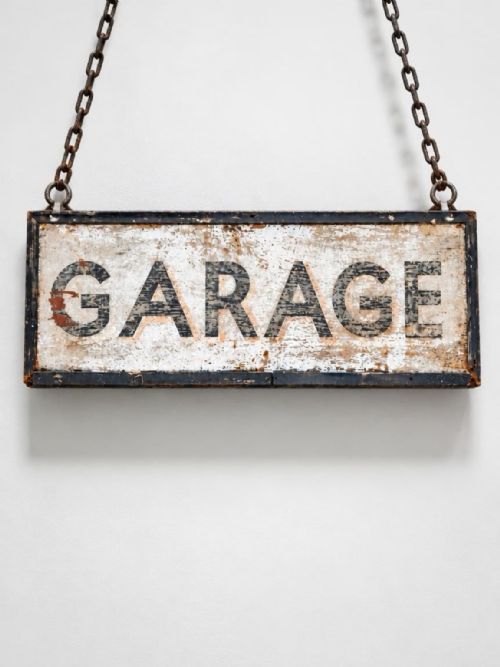
Glass plates rest behind rebates, held by timber backing boards, while paintings utilise canvas, wood panels or paper beneath protective glazing. Trade signs incorporate painted lettering directly onto wooden boards.
Wooden Wall Frame Retail Price Guide 2026
Typical asking prices for wooden wall frame among the pieces listed under this phrase on Sellingantiques today, from the lower quarter to the upper quarter. They describe what is for sale here now, not the wider market.
Materials include mirror glass, oil paint, brass inlay, paper and gouache within wooden wall surrounds.
Assessing quality
The distinction between tiers rests on the crispness of the carving and the depth of the timber selection. Fine examples demonstrate fluent hand-carved detail and well-figured grain in walnuts and maples.
Construction methods separate standard items from superior work through tight corner joints, sympathetic surface conservation and original mirror glass with natural age. Proportion and balance in architectural styles determine visual authority.
Richard Harry Carter·Marjorie L Davies·Irene Christobelle Pownoll Williams
The Wooden Wall Frame Glossary
- Ebonised
- Wood treated with a dark stain or pigment to imitate ebony. This technique appears frequently on nineteenth-century Italian and shop fitting mirrors.
- Fretwork
- Thin wood cut into decorative openwork patterns using a fretsaw. This style defines Georgian mahogany wall mirrors.
- Overmantel
- A large mirror or painting designed to hang above a fireplace mantelpiece. These pieces often feature arched tops or wide silver-gilt frames.
- Giltwood
- Timber coated with a thin layer of gold leaf or gesso and gold paint. It provides a reflective, luminous border around mirror glass.
- Convex
- Curved outward like the exterior of a sphere. Convex mirrors distort reflections into a wide-angle view and sit within round wooden frames.
Wooden Wall Frame: Frequently Asked Questions
How do I hang a heavy wooden wall frame?
Heavy mirrors and framed paintings require secure wall fixings suited to the masonry or plaster structure. Use appropriate screws and wall plugs matched to the weight of the timber and glass.
Check that the hanging wire or integrated brackets on the reverse of the frame can support the load safely. Distribute the weight evenly across two fixing points for wider horizontal mirrors.
How do I clean an antique wooden frame?
Dust timber mouldings gently with a soft, dry cloth to prevent dirt accumulation in carved recesses. Avoid commercial polishes that leave oily residues on aged finishes.
Keep moisture away from gilded and ebonised surfaces to protect the original finish from lifting. Treat the wood with a sparing application of suitable wax only if the surface appears dry.
How do I tell an Edwardian mirror from a Georgian one?
Georgian mirrors often employ mahogany with parcel-gilt fretwork or architectural broken pediments. The proportions reflect classical symmetry and proportion.
Edwardian pieces frequently use carved oak with robust oval or rectangular formats. Their decoration leans towards simpler Edwardian tastes or revival styles.
Can I place these frames in a bathroom?
High humidity and steam in bathrooms can damage antique wooden frames and silvered mirror glass. Moisture causes timber to warp and accelerates the deterioration of old mirror plates.
Position wooden frames in dry living areas, hallways or bedrooms to preserve the wood and original finishes. Ventilation is essential if wall hangings must remain in rooms prone to dampness.