



Wooden Vanity Drawers
These wooden vanity drawers bring compact storage and surface polish to a dressing space, pairing practical compartments with period character.
Wooden Vanity Drawers
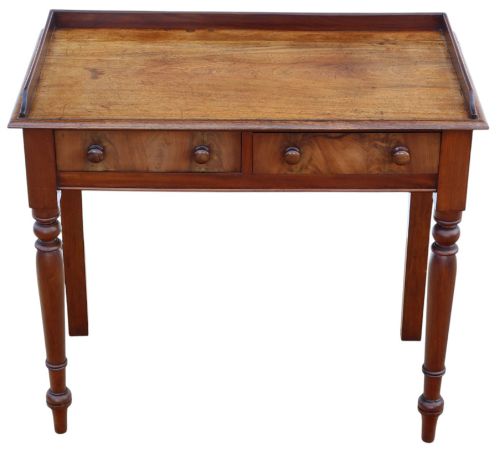
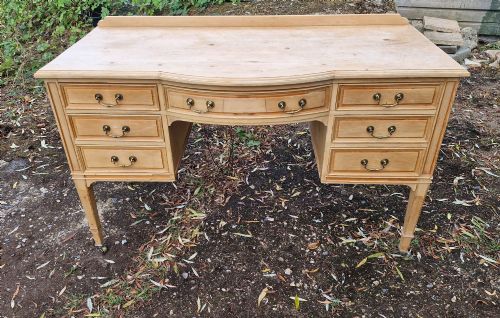
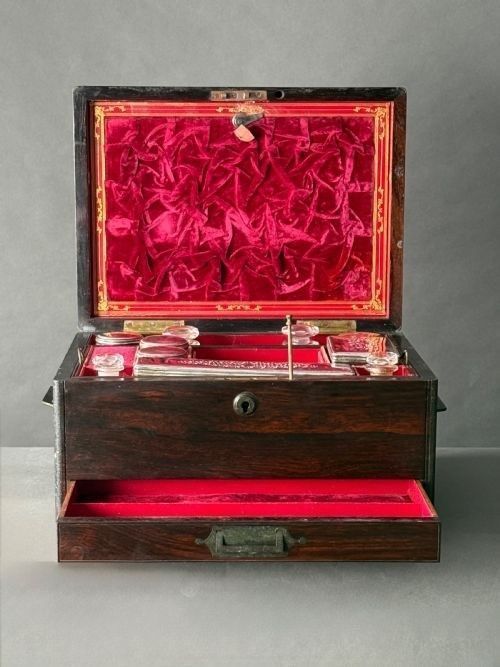
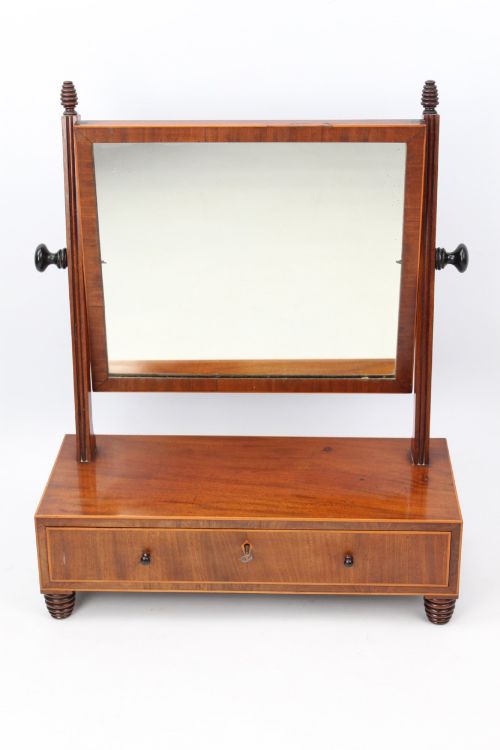
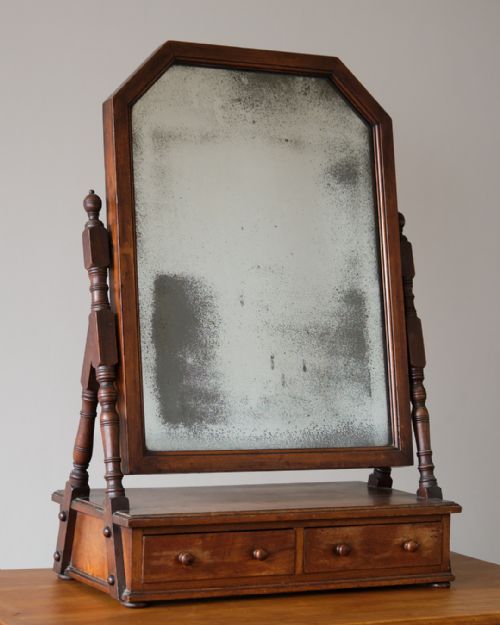
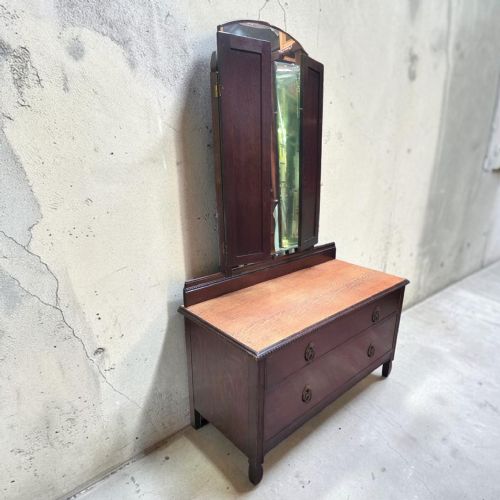
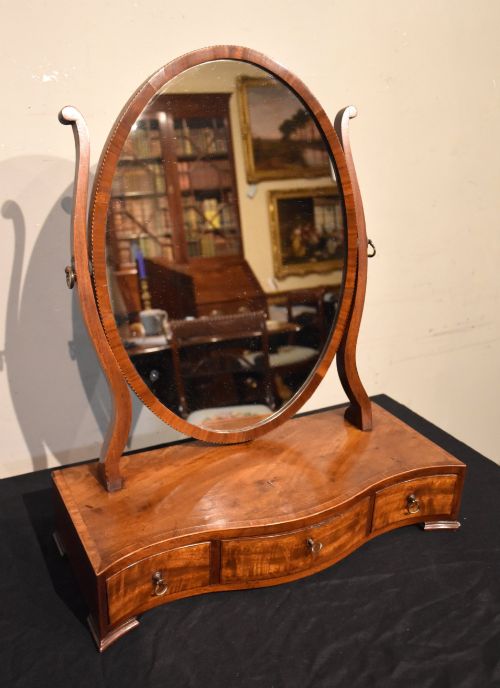
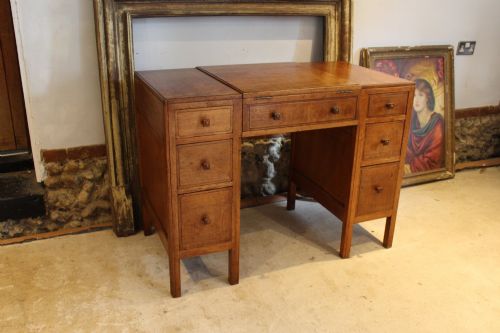
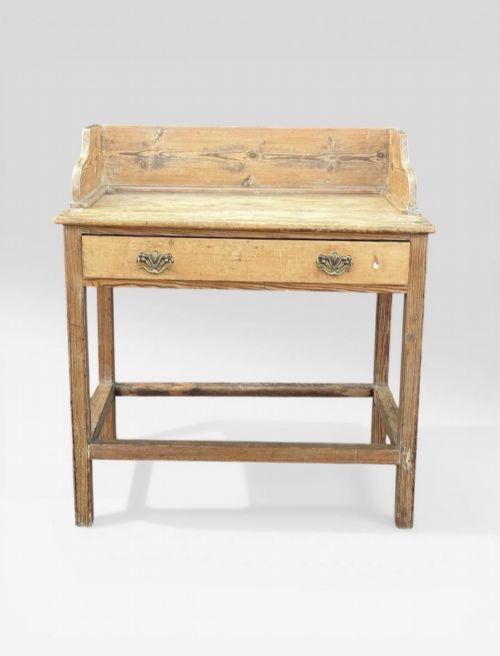
When buyers search for wooden vanity drawers, they seek small-scale storage pieces designed for personal grooming and dressing rooms. These items frequently appear as tabletop toilet mirrors fitted with base compartments, small chests, or lowboys equipped with working drawers.
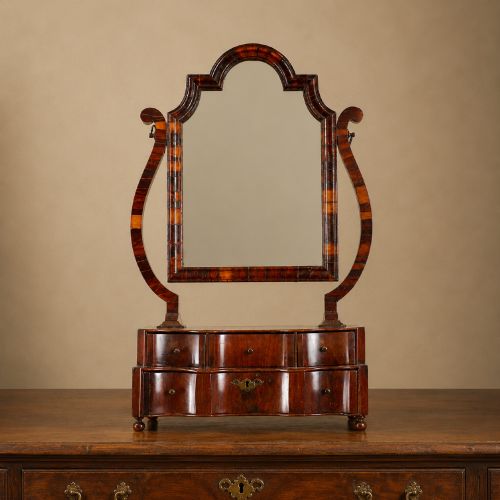
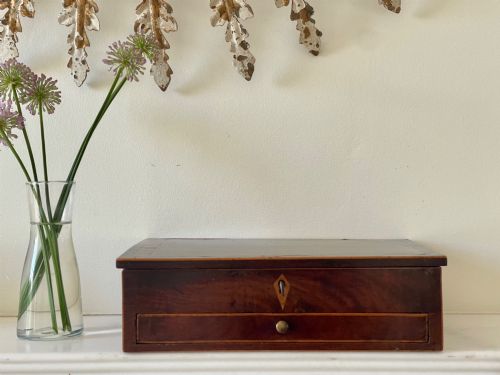
The pieces listed span multiple historical eras, with Georgian, Victorian, and Regency examples appearing most frequently. Surviving forms range from serpentine-fronted dressing mirrors to compact boxes and lowboys with integrated drawer space.
Materials vary across the selection, featuring timbers such as mahogany, walnut, oak, and pine, often complemented by brass handles and mirror glass. Origin points stretch from British workshops to continental examples and occasional imported pieces.
Materials and construction methods
Cabinetmakers relied on dense hardwoods like mahogany and walnut for primary structures, utilising pine and oak for secondary framing and drawer linings. Timber selection dictated the structural stability and potential for decorative grain figures such as flame veneer.
Joinery techniques involved precise dovetailing for small drawers and mortise-and-tenon framing for stands and mirrors. Metal hardware, primarily brass escutcheons, knobs, and swing-arm pivots, was integrated to secure moving components.
Surfaces received treatments ranging from clear polishing to bring out the natural grain to marquetry inlay and painted finishes. Mirror glass was set into pivoting frames, allowing adjustment of the reflective surface.
Assessing quality and craftsmanship
Quality reveals itself in the precision of the drawer dovetails and the choice of timber veneer. Superior examples display carefully matched grain patterns across the front faces and clean, tight joints that withstand regular use.
The refinement of the hardware and the clarity of the original mirror glass contribute to the overall standard. Pieces with intact brass fittings and well-proportioned mirror frames demonstrate superior workshop origin compared to utilitarian alternatives.
Heal & Sons
The Wooden Vanity Drawers Glossary
- Toilet mirror
- A small mirror mounted on a pivoting frame above a miniature chest or stand containing drawers.
- Lowboy
- A small table with one or more rows of drawers, commonly used as a dressing or writing surface in the 18th century.
- Serpentine
- A furniture front characterised by a gently curved line that bows outward in the centre and recesses at the sides.
- Dovetail
- A joint formed by interlocking wedge-shaped fingers, standard in drawer construction for strength.
- Marquetry
- Decorative veneer work arranged in intricate patterns using various coloured woods.
Wooden Vanity Drawers: Frequently Asked Questions
What are wooden vanity drawers used for?
These pieces function primarily as compact storage for personal items, jewellery, and grooming accessories while providing a surface mirror.
Historically placed atop dressing tables or chests, they offered a dedicated space for daily preparation before dedicated dressing suites became common.
How do I date a Georgian dressing mirror?
Dating relies on timber choice, such as early mahogany or walnut, combined with hand-cut dovetails and original mirror glass.
Georgian examples often feature ogee bracket feet, serpentine drawer layouts, and fine brass pivoting hardware specific to the 18th century.
Where should I place a toilet mirror?
These mirrors sit securely on top of sturdy chests of drawers, side tables, or dedicated lowboys to create a functional dressing station.
Ensure the supporting surface matches the footprint and weight of the mirror stand to maintain stability during daily adjustment.
Are these drawers suitable for modern bedrooms?
Their compact dimensions allow them to fit comfortably on contemporary dressing tables, desks, or console surfaces.
They provide practical compartmentalised storage for smaller everyday items while adding period warmth to contemporary interior schemes.