

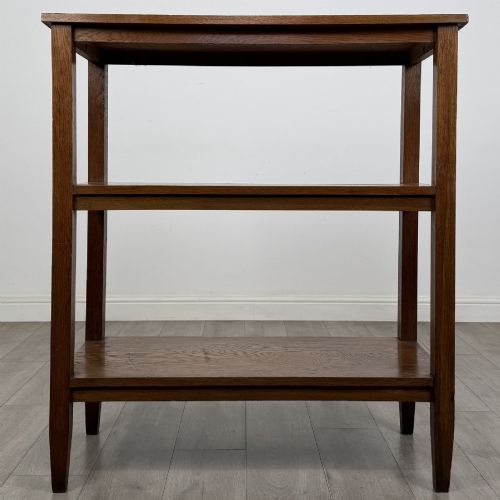
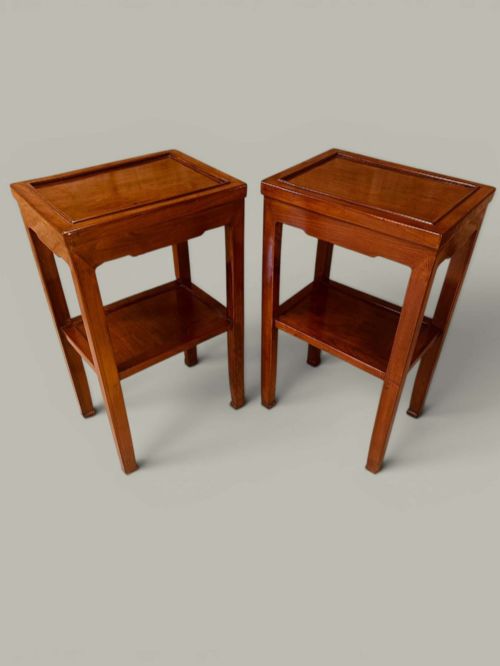

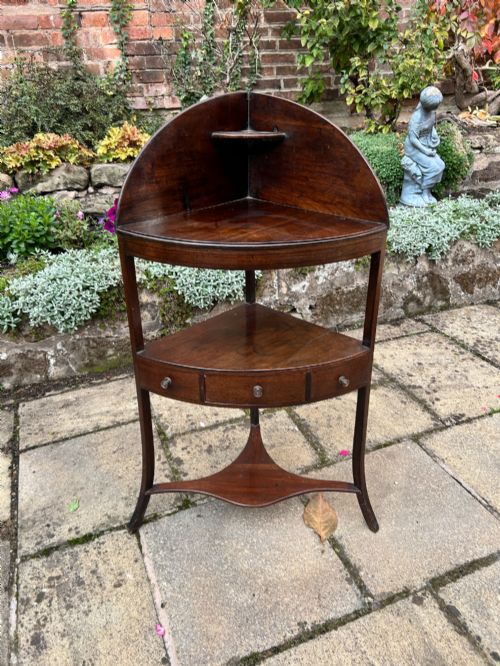
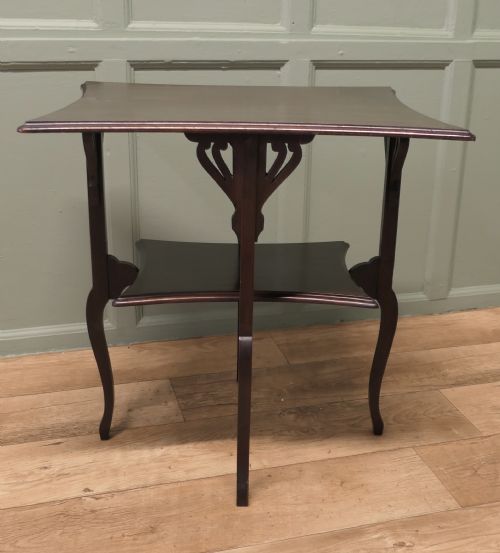


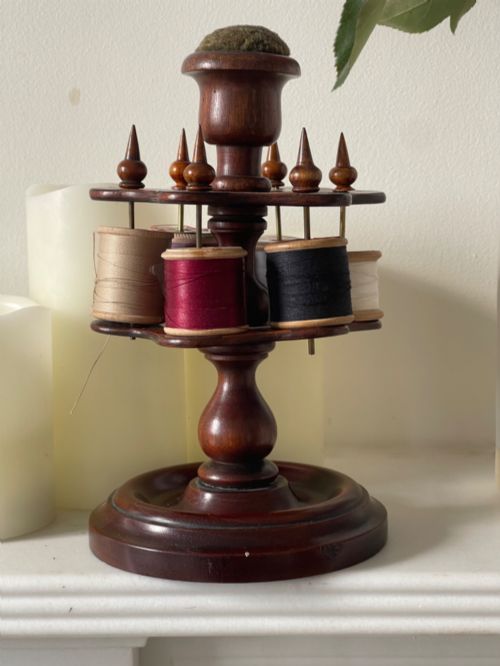
Wooden Tier Stand
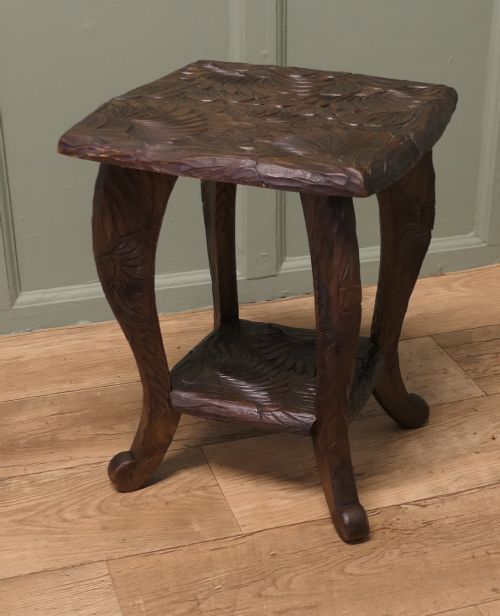
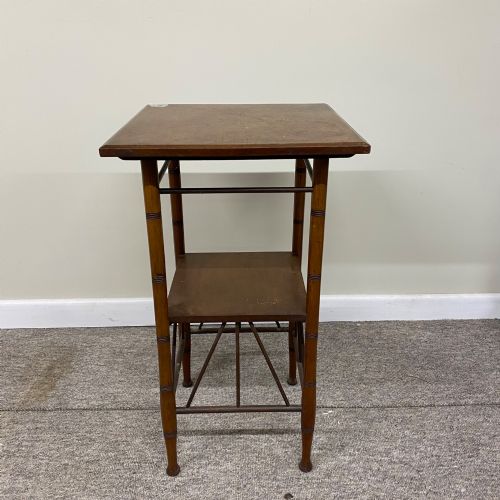
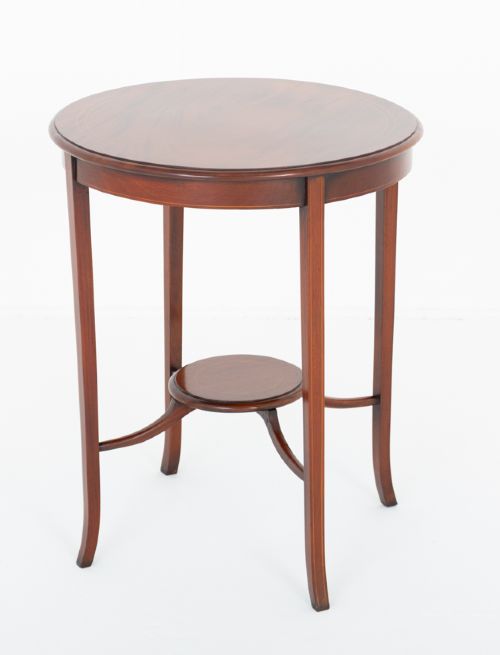
These wooden tier stand pieces range from Edwardian cake stands to Victorian whatnots, offering practical multi-level surfaces for daily use.
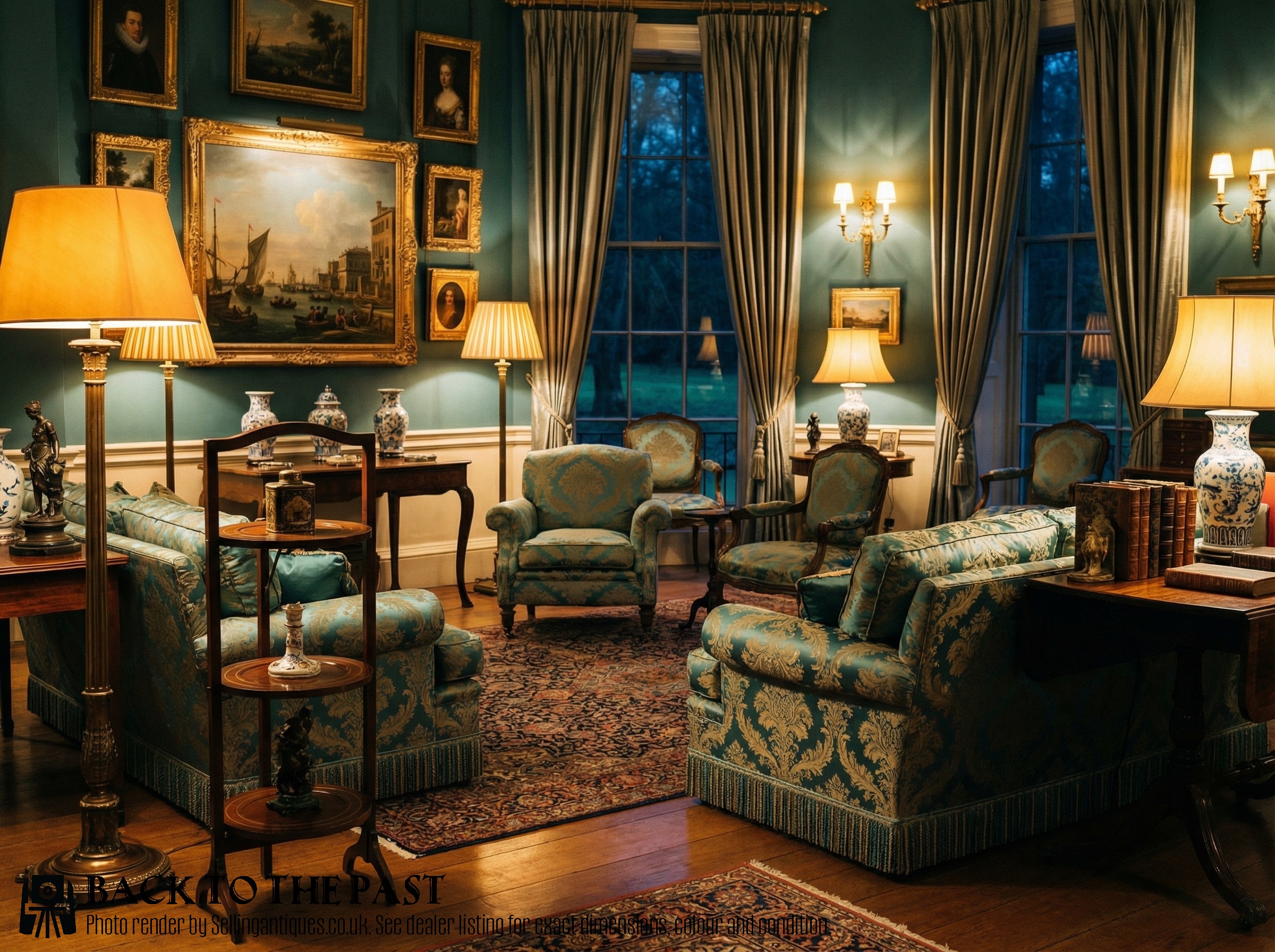
Wooden Tier Stand
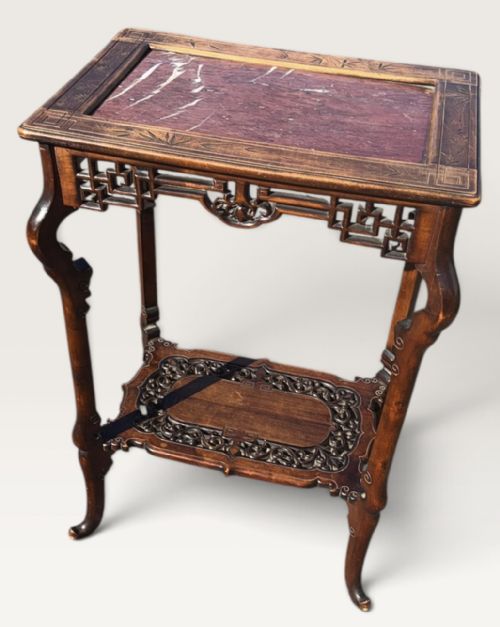
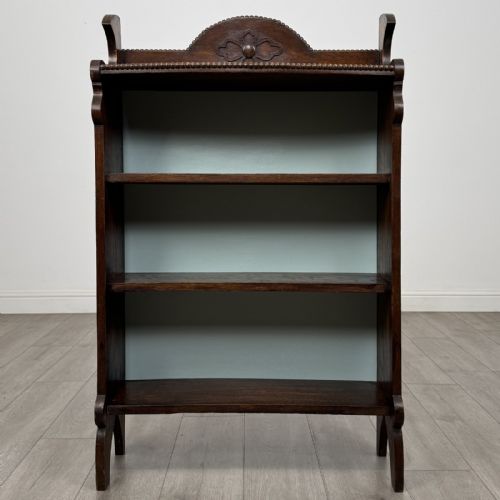
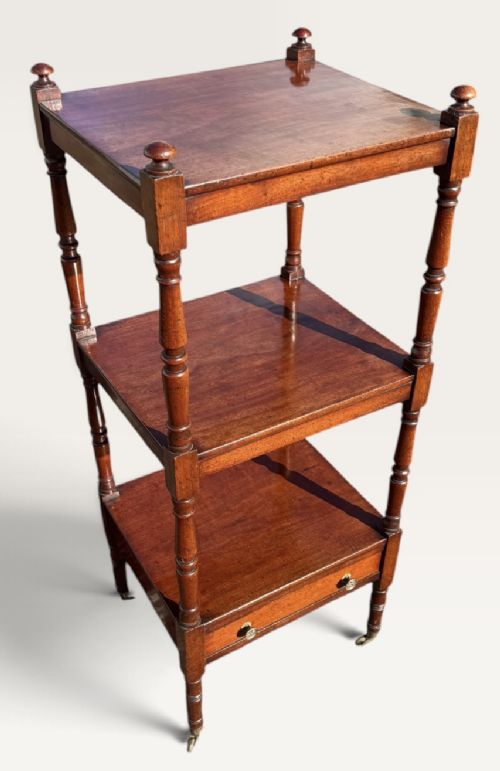
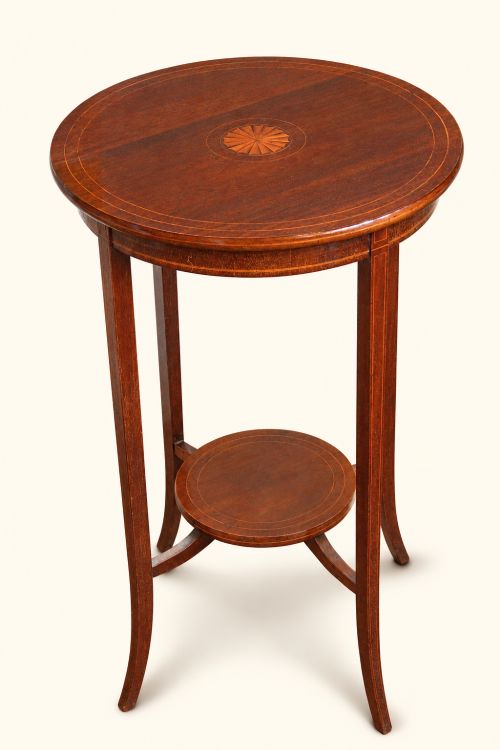
A wooden tier stand brings vertical display space to rooms through forms such as whatnots, side tables, and plant stands. The pieces seen here span periods from the nineteenth century through the Edwardian era.
Buyers encounter walnut, oak, and mahogany formats ranging from cake stands to multi-tiered shelving units. These items serve to organise spaces while introducing period timber character to interiors.
How they were made
Cabinet makers utilised solid and veneered timbers including mahogany, oak, walnut, and burr walnut. Brass fittings and boxwood stringing frequently accent the primary woods.
Construction techniques include turned legs, barley twist supports, and inlaid surfaces, relying on traditional joinery to support multiple tiers securely.
Wooden Tier Stand Retail Price Guide 2026
Typical asking prices for wooden tier stand among the pieces listed under this phrase on Sellingantiques today, from the lower quarter to the upper quarter. They describe what is for sale here now, not the wider market.
Several stands double as boot racks, proving that Victorian hallways needed multi-tiered storage just as much as modern ones.
What varies in quality
The choice of timber grain and figure dictates the visual weight of each tier. Burr walnut and figured mahogany represent higher tiers of material selection compared to plain secondary woods.
Execution of decorative details such as carving, inlay, and turned supports separates standard workshop production from finer cabinet work.
Liberty of London·William Birch
The Wooden Tier Stand Glossary
- Whatnot
- A piece of furniture consisting of open shelves for displaying ornaments or books. These multi-tiered items stand in corners or against walls.
- Occasional table
- A small table designed for intermittent use in living spaces. They often feature secondary tiers or shelves.
- Torchere
- A tall ornamental stand intended to hold a lamp or candle. Edwardian examples frequently utilise slender turned wooden columns.
- Etagere
- A piece of furniture with a sequence of open shelves for holding small objects. French and English versions appear in walnut and mahogany.
- Barley twist
- A decorative turning style resembling the spiral shape of barley sugar. This technique shapes wooden legs and upright supports.
Wooden Tier Stand: Frequently Asked Questions
What is a wooden tier stand used for?
These pieces provide tiered surfaces for holding lamps, plants, books, or decorative objects. They make efficient use of floor space by building upwards.
In period settings they functioned as occasional tables, cake stands, or corner whatnots to display household items.
How do I identify an Edwardian tier stand?
Edwardian pieces often feature lighter timbers such as oak and mahogany with understated inlay or satinwood banding. They frequently take the form of cake stands, plant stands, or occasional tables.
Construction from this period around 1900 to 1910 tends to be lighter in proportion than heavier Victorian furniture.
Where should I place a whatnot in a room?
Whatnots suit corners or empty wall spaces where their multiple shelves can hold books or small decorative objects without blocking walkways. Their open structure keeps rooms feeling spacious.
They pair well beside seating or against hallway walls to utilise vertical dimensions.
What woods are common on these stands?
Mahogany and oak appear most frequently across Victorian and Edwardian examples. Walnut and burr walnut are also common on finer occasional tables and etageres.
Boxwood stringing and brass elements sometimes provide contrast against the primary timber body.